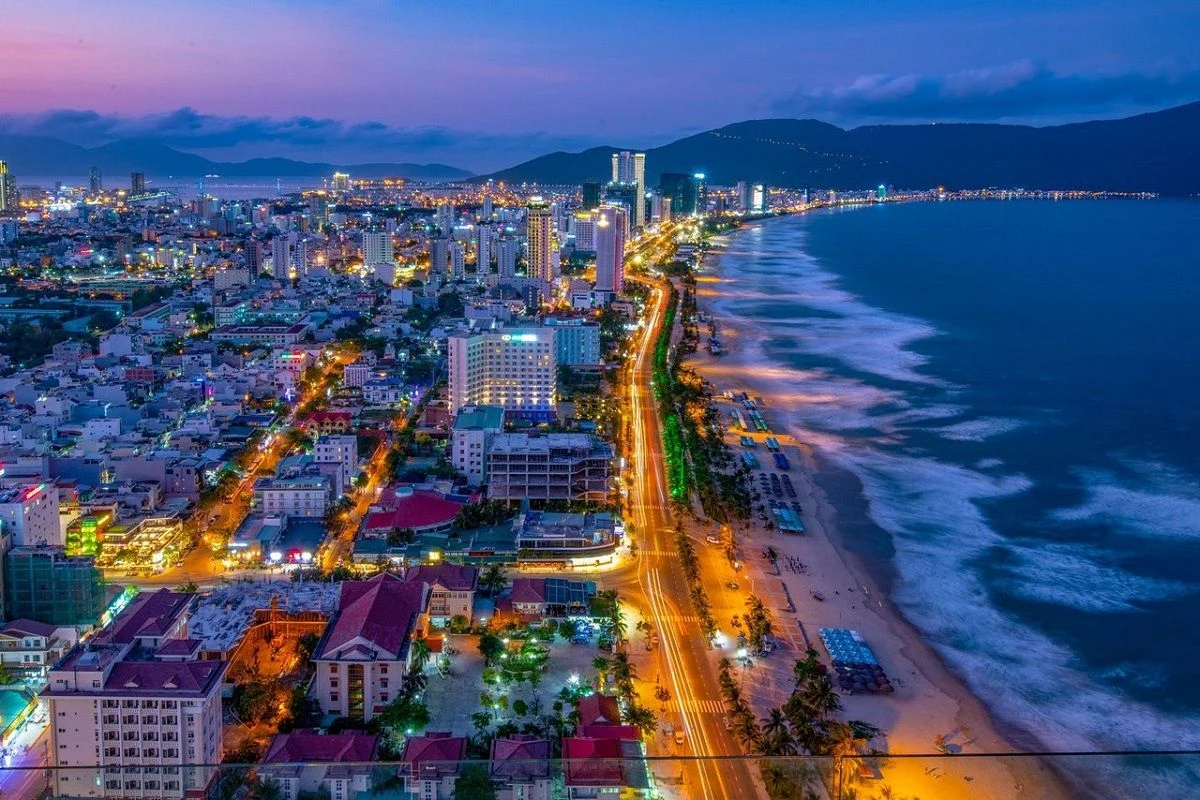
March is the month Da Nang dries out: days near 28°C, nights near 22°C and only 25 to 50 mm of rain on 4 to 6 days. Rents start climbing in April, so March is the moment to lock a summer flat and dry out the damp the wet months left.
Here is the month in the order I would handle it: lease first, then power and mould, then weather and the sea, then the one date on the visa calendar.
When should I lock in a summer lease?
Sign in March, because rents in Da Nang rise from April to August and settle again in September. A one-bedroom near My Khe or An Thuong with a pool ran 10 to 13 million dong a month in 2026, about $395 to $510, and the citywide range is $250 to $450. Listing sites disagree with each other, so check live listings and negotiate.
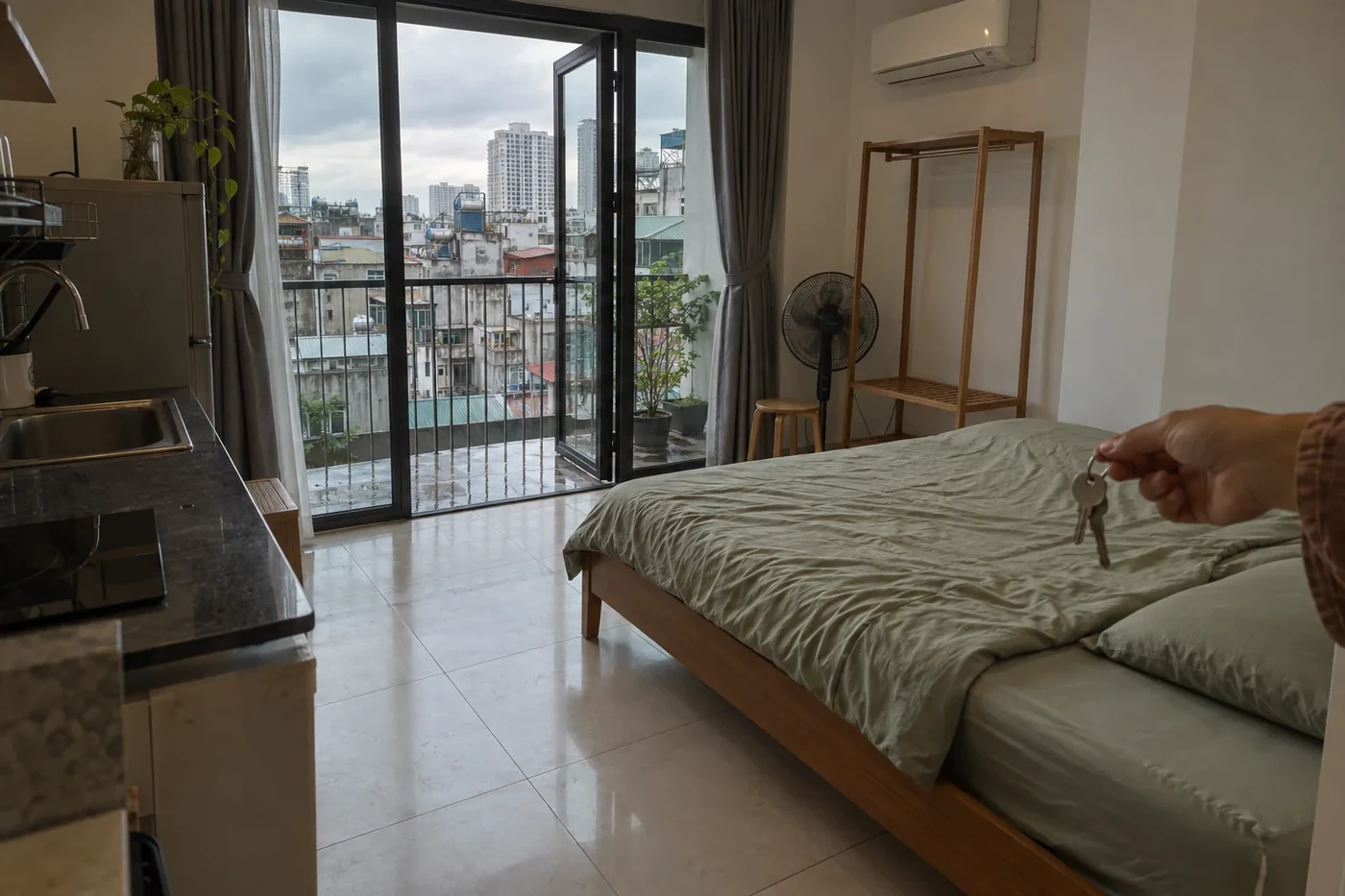
Ask the landlord for a 6 to 12 month contract and read the deposit clause twice. My notes on rents and districts are in the Da Nang rent guide with real prices.
What does electricity cost with the AC running?
The average retail price at EVN is 2,159.9 dong per kWh before VAT since 1 November 2026, about $0.085. That is a 2% cut under EVN decision 1305/QĐ-EVN, the first reduction in about 20 years. The household tariff is stepped, so heavy air conditioning in summer lands in the pricier tiers.
Check in the lease whether power is billed from the EVN meter or at the landlord’s own rate. In March the difference is a few dollars; in July it shows up on the bill.
How do I stop mould after the wet months?
Run the air conditioner in Dry mode for a few hours a day, clean its filters every two weeks, open the windows in the morning before the air heats up and do not dry laundry in the bedroom. Mould grows fastest at 25 to 28°C and high humidity, and Da Nang in March offers exactly that: humidity stays at 80 to 85%. The air conditioner is the usual culprit, since standing water in the indoor unit tray breeds spores.
Tet 2027 ends on 10 February, with state offices reopening on 11 February, so by March repairs for leaks and AC units are possible, and I would book them before the heat.
How warm is Da Nang in March, and does it still rain?
Daytime highs are around 28°C, rising to about 30°C by the end of the month, with nights near 22°C. Rain is short and usually falls in the afternoon. The wet season runs from September to December and the dry one starts in January, so by March most of the winter damp has left the air.

The midday sun is strong, so I wear SPF 50+ and stay off the beach from 11:00 to 14:00. A light layer is enough for the bike at night. Forecasts come from nchmf.gov.vn, and the morning of a ride is the time to read it.
Is the sea warm enough for a swim or a surf lesson?
Yes for a swim and for a first lesson: the water is about 24 to 25°C, cooler than summer but comfortable. The waves in March are small and soft, so beginners at My Khe do well, while the bigger swell arrives in autumn. A red flag means swimming is banned, even when the water looks flat.
What is on in March, and is Hoi An worth the trip?
The Quan The Am festival at the Marble Mountains runs from the 17th to the 20th day of the second lunar month. In 2026 it fell on 4 to 7 April, and in 2027 the date lands in late March or early April, so confirm the day on danang.gov.vn.
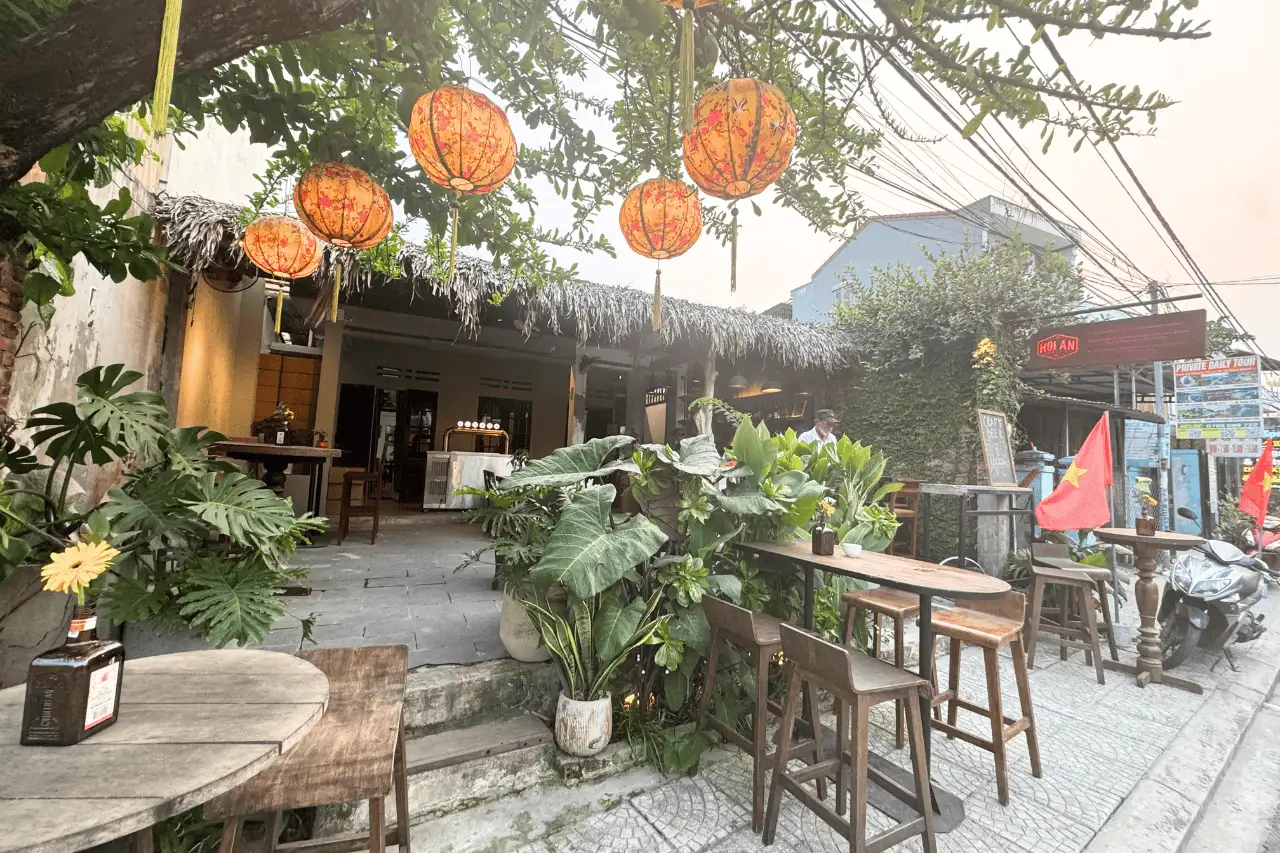

Hoi An is about 30 km from the city, and I go there for dinner once the day cools, when the lanterns along the old town are lit.
What happens to my visa stamp in March?
Russian citizens get 45 days visa-free under resolution 44/NQ-CP, valid until 14 March 2028, so March 2027 is inside the window. The count starts on the day you enter: arrive on 30 January 2027 and you must leave by 15 March. An e‑visa runs up to 90 days and costs a state fee of $25 for single entry, filed on evisa.gov.vn.
An e‑visa cannot be extended inside the country, so the usual route to a fresh stamp is to exit and apply again. At BestBus Vietnam, with offices in Da Nang and Nha Trang, I file the application, pay the state fee with the company card, pick the entry point and take you across the border and back with the new stamp within one day. If a refusal comes, I refile it free and return the money. The whole e‑visa is $55 on the usual week-long schedule, and the one-day visa run from Da Nang page has the details. You can send me your entry date on WhatsApp and I will tell you which border-run dates are still open.
Checklist: what to do in Da Nang in March
Work through this before April:
- Count 45 days from your entry date and compare it with your plans. The visa services page lists the options if the date is close.
- Check corners, ceiling and AC for damp, then run Dry mode and clean the filters.
- Look at summer flats in March and negotiate before the April price climb.
- Ask how electricity is billed in the lease.
- Keep dry mornings for Hoi An and the temples, and read the forecast that day.
For the weeks before, my Da Nang in December guide covers the rainy end of the season and the Tet calendar.
The month rewards early moves: a dry flat, a signed lease and a stamp with room left. If the stamp is the part that worries you, message me on WhatsApp with your city and entry date, and I will count your remaining days and check the fee.
Frequently asked questions
How much sun does Da Nang get in March?
About 182 hours of sunshine for the month, close to six hours a day. That is enough to burn quickly even under thin cloud, so put sunscreen on before you leave.
When is the Da Nang fireworks festival?
The 2026 international fireworks festival ran from 30 May to 11 July, and demand for flats and hotels rises in those weeks. Check danang.gov.vn for the 2027 dates.
How much is a multiple-entry e‑visa?
A multiple-entry e‑visa costs $50 in state fees and runs up to 90 days, against $25 for single entry. It suits a plan that includes a trip out and back in.
Are hotels cheaper in March than in summer?
Yes, March counts as a shoulder month: hotels and flats cost less, crowds are thinner and prices climb from April. For a stay of a month or more, a direct deal with the landlord usually beats booking sites.