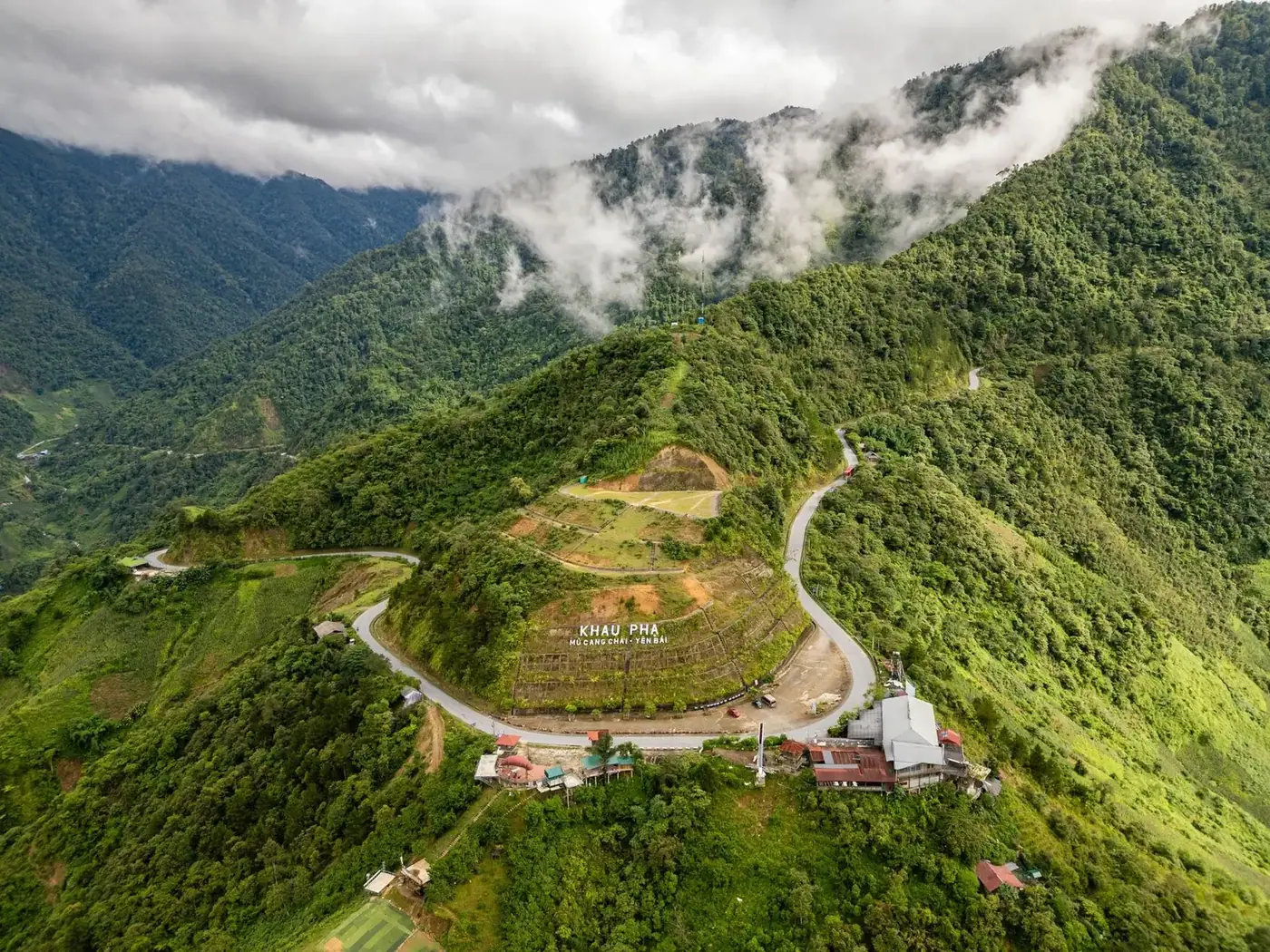
For most travelers, the bus is the cheapest way from Da Nang to Hue at $5-14 for a roughly 100 km trip, the train is the most scenic at $14-22 depending on class, and a private car is the fastest door-to-door option from about $50 per car. Which one wins depends on whether you’re optimizing for price, views, or your own schedule, and the road between the two cities crosses the Hai Van Pass, a coastal mountain crossing that every option has to deal with in its own way.
I’ve lived in Central Vietnam for years and run transport for travelers doing exactly this route, so I’ve watched the bus, the train, and a private car all handle the same 100 km stretch dozens of times. None of the three is a bad choice. Each one just answers a different question, and the honest comparison below is built to help you pick the right one instead of the one you happened to hear about first.
Da Nang to Hue: bus vs train vs car at a glance
| Bus / limousine van | Train (Reunification Express) | Private car | |
|---|---|---|---|
| Price (one-way) | $5-14 per person | $14-22 per person depending on class | $50-150 per car (whole vehicle) |
| Duration | 2-4 hours | 2.5-4 hours | 2-2.5 hours direct, ~3 hours with stops |
| Comfort | Reclining seat, AC, no views of the tracks side | Fixed seat or berth, panoramic coastal windows | Door-to-door, private, flexible stops |
| Booking | Online via resellers or at the station same-day | dsvn.vn (official) or third-party resellers | Operator website or messaging app, book ahead |
The gap between the cheapest and most expensive way to make this trip is roughly $145 per person if you’re traveling solo and choose a premium private van instead of a bus seat - mostly because the car fare covers the whole vehicle, not one seat.
How much does the bus cost from Da Nang to Hue?
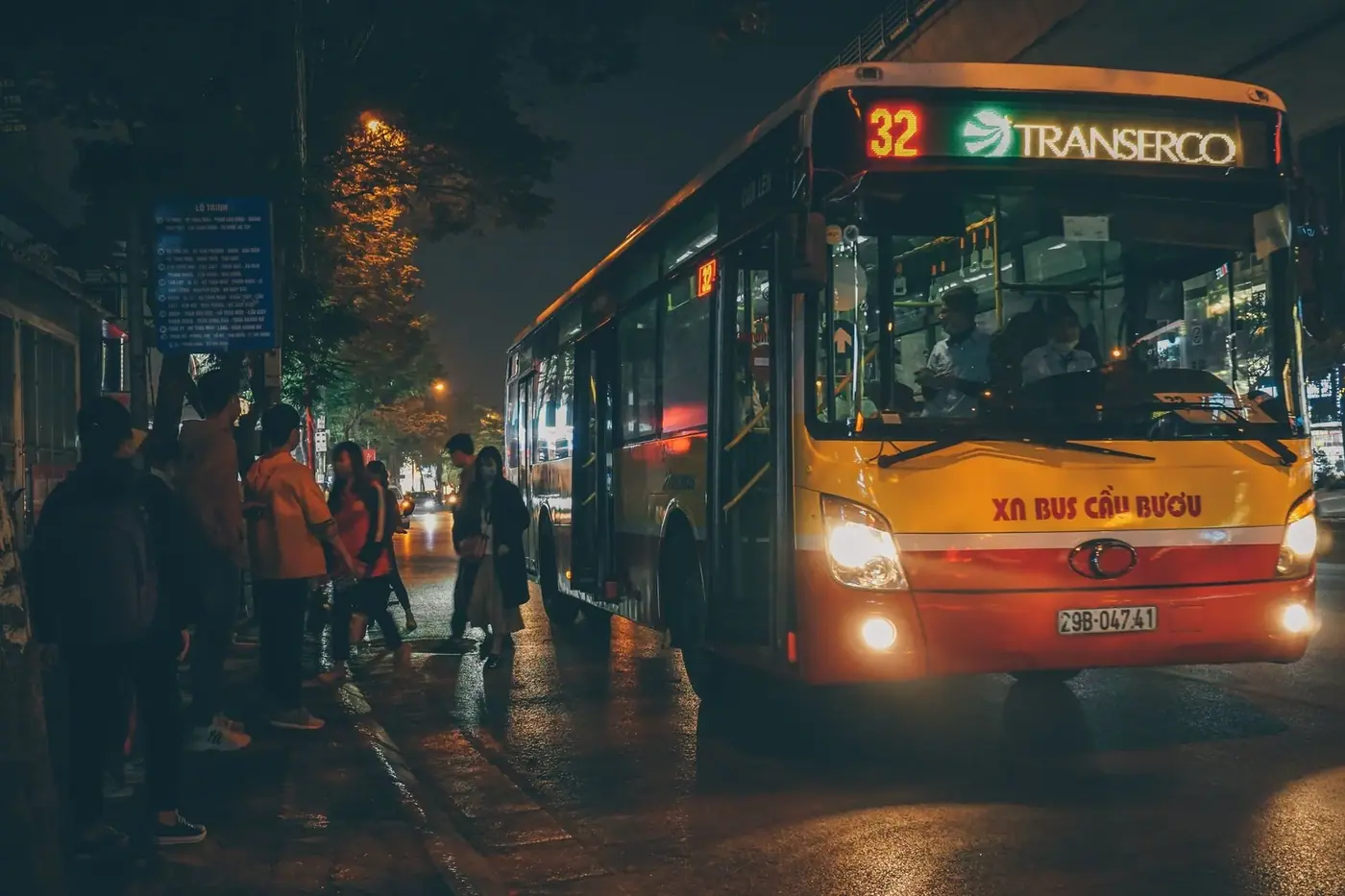
A seat on a limousine van or standard coach between Da Nang and Hue runs $5-14 per person one-way, with the cheapest fares around $5 on a live 2026 price scan. More than ten named operators run this corridor, including Techbus VN, Hanh Cafe, Hue Tourist, Hoi An Express, HAV Limousine, and Hoang Duc Limousine, so price and comfort vary noticeably between them even on the same route.

Combined departures across all operators run into the hundreds most days - one aggregator logged as many as 244 buses in a single day and as few as 141 on a slower day, roughly every 1-2 hours on average. That frequency is the bus’s real advantage: miss one departure and another is rarely more than an hour or two away.
Is the train worth it for the Hai Van Pass views?
Yes, if scenery is the priority: the Da Nang-Hue rail line is widely rated one of the world’s most scenic coastal train journeys, running along the cliffs of the Hai Van Pass and around Lang Co Bay. Vietnam Railways runs four SE express trains (SE2, SE4, SE6, SE8) plus two scenic Heritage trains (HD2, HD4) daily over the roughly 103 km route, taking about 2.5-3.5 hours on the express service and up to 4 hours on the Heritage trains, which add a short stop in Lang Co.

Seat and berth prices vary by class and by which fare source you check: one aggregator quotes soft seats from about $14-15, hard 6-berth sleepers from $18-19, and soft 4-berth sleepers from $21-22, while a second source lists a lower $3-8 per person range likely reflecting promotional or off-peak fares. Either way, book through dsvn.vn, the official Vietnam Railways site, or a reseller if the official site won’t take your card - treat exact prices as a starting point and confirm the fare at the time you actually book.
Seat direction matters more than most people expect on this specific route. Heading north from Da Nang to Hue, the best Hai Van Pass and South China Sea views are on the right-hand side of the train, so it’s worth requesting that side if the booking platform lets you choose. If you’re continuing north afterward, our Hanoi-Da Nang train vs bus vs flight guide covers the longer leg in the same detail.
What does a private car cost between Da Nang and Hue?
A private car transfer is priced per vehicle, not per seat, which changes the math depending on how many people are traveling. One Da Nang operator’s 2026 published list has a 4-seat sedan at about 1,250,000 VND, roughly $50, a 7-seat SUV at about 1,375,000 VND, roughly $55, and a 16-seat van at about 2,125,000 VND, roughly $85, all one-way. Across multiple operators, whole-car prices for this route range from about $26 for a budget sedan up to $120-150 for larger vans or premium services.

A direct transfer with no stops takes about 2-2.5 hours, which makes the car the fastest of the three options door-to-door. Add the classic scenic detour, the Hai Van Pass viewpoint, Lang Co Beach, and Lap An Lagoon, and the same trip stretches to roughly 3 hours, still competitive with the bus and train once you count the time getting to and from a station or bus stop on either end.
This is usually where people ask about Grab. There’s no clean answer: Grab’s app is built for city rides, not a 100 km intercity run, and no operator publishes a direct in-app long-distance quote for Da Nang to Hue. Based on Da Nang’s published per-km GrabCar rate, a rough estimate lands around $48-52 for the trip, but that’s a back-of-envelope calculation from the base rate, not a quoted fare - don’t rely on it for a firm price, and expect the driver to negotiate or decline the trip once they see the distance.
I’ve watched more than one traveler get quoted a fair private-car price, only to lose an hour arguing with the driver about splitting the fare between seats once everyone’s already in the car. A fixed, all-in price agreed before anyone gets in is what actually avoids that.
Can you stop at Hai Van Pass along the way?
By bus, rarely: coaches and limousine vans run the tunnel route on a schedule and don’t build in a viewpoint stop, since a bus full of other passengers isn’t waiting on you. By train, yes to the scenery but no to a physical stop, since a train can’t pull over, though the Heritage trains do slow through the pass and stop briefly in Lang Co. By private car, yes, and this is the format’s biggest advantage: operators list the Hai Van Pass viewpoint, Lang Co Beach, Lap An Lagoon, and the longer Elephant Springs detour as standard optional stops, turning a direct 2-2.5 hour transfer into a roughly 3-hour trip.
If seeing the pass up close, not just from a train window, is the actual point of the trip, a private car with a planned stop is the only one of the three that reliably delivers it.
Is the road over Hai Van Pass safe to drive?
The pass road itself has documented landslide-risk zones spanning Da Nang and Thua Thien Hue provinces, which is a large part of why the Hai Van Tunnel was built in the first place, as a safer, weather-independent bypass for through traffic. Most bus and private-car transfers today run through the tunnel rather than over the mountain road, which is the route drivers reach for once weather turns.
The bigger risk window is seasonal rather than road-specific: the Hai Van corridor faces real closure risk during central Vietnam’s typhoon season, roughly July through December, peaking from mid-September to mid-November, when roads can flood within hours and the rail line through the Lang Co tunnel section can suspend service. If you’re traveling in that window, build in a buffer day rather than book a same-day onward flight out of Hue, since a closure can hold up all three transport modes at once.
How to choose: bus, train, or car for your Da Nang-Hue trip
If price is what matters most, the bus wins outright at $5-14 per person, especially solo or on a tight budget, and departures run frequently enough that missing one isn’t a real problem. If the Hai Van Pass scenery is the point of the trip, the train earns its higher fare, and it’s worth the extra few dollars for a window seat on the right-hand side heading north. If your time is limited or you’re traveling as a group of three or more, a private car often costs less per person than it looks once split, and it’s the only option that reliably gets you an actual stop at the viewpoint instead of just a view from a moving window.
Pick the variable you actually care about, price, scenery, or control over your schedule, and let that decide it instead of trying to optimize for all three at once, because none of the three options does all three well.
Getting the paperwork sorted before you’re standing at a bus counter or train ticket window is where most of the actual stress comes from, especially if your card doesn’t go through on a local ticketing site. I handle the whole Da Nang side of these transfers myself: I book the seats or the car, confirm the price in writing before anyone travels, and build in the Hai Van Pass stop for people who want it. Message me on WhatsApp with your dates and I’ll tell you what fits your schedule this week.