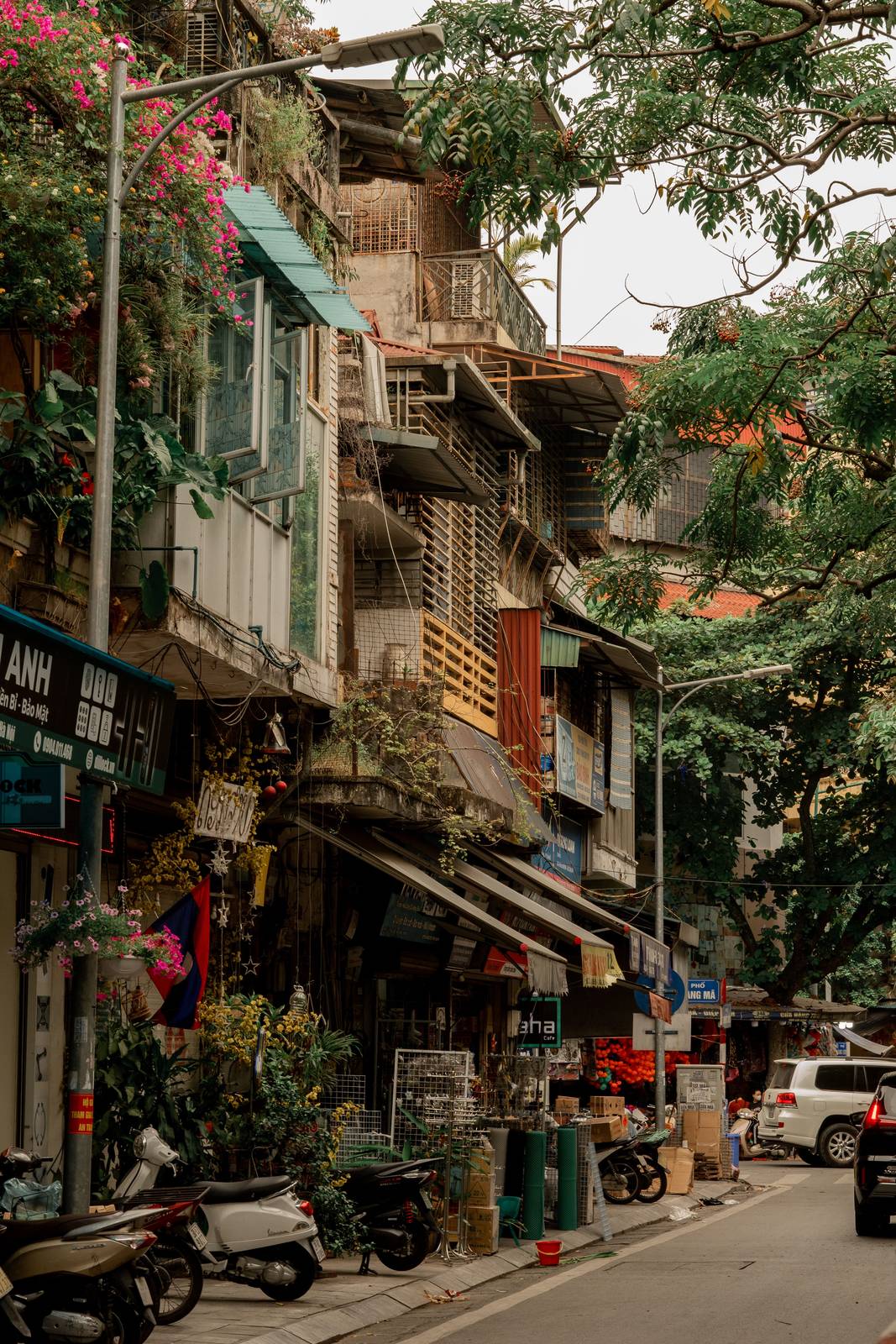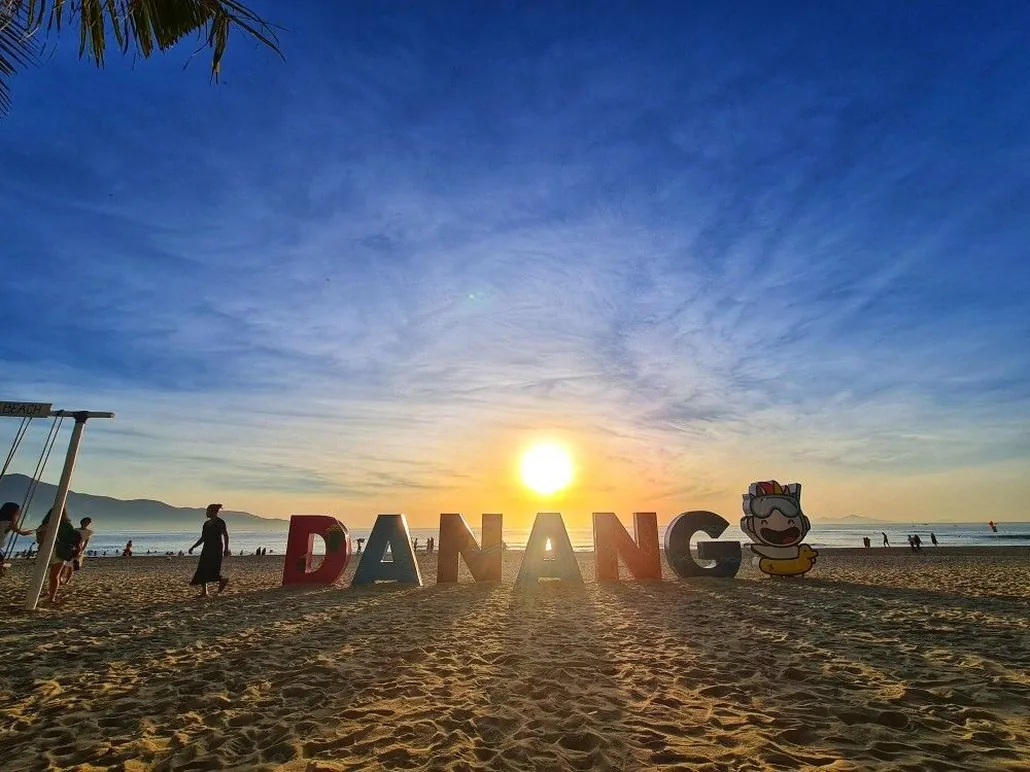
Cost of living in Da Nang 2026 ranges from about $700 a month for a frugal backpacker setup to $2,500 or more for a family living well, with most solo digital nomads settling around $900-$1,500. Numbeo’s mid-2026 data puts a single person’s monthly costs excluding rent at roughly $440, and a family of four’s at $1,538-$1,600, also excluding rent.
I’ve lived in Da Nang for years and run e-visa and transfer bookings for expats out of this city, so these figures come from real monthly bills I track for clients, neighbors, and myself.
Da Nang Monthly Budget by Lifestyle Tier (2026)
These ranges are wide on purpose: local-platform prices and foreigner-facing prices for the same thing in Da Nang can differ by 2x, and lifestyle choices, renting a bike or not, cooking or eating out, move the total more than the city itself does.

| Category | Frugal / Backpacker | Comfortable / Nomad | Premium / Family |
|---|---|---|---|
| Rent | $150-$330 | $385-$690 | $700-$850+ |
| Food | $150-$250 | $300-$450 | $500-$800 |
| Transport | $30-$60 | $60-$120 | $150-$250 |
| Visa (averaged monthly) | $10-$25 | $25-$50 | $50-$100 |
| Health insurance | $0-$65 | $65-$170 | $170-$300 |
| Utilities + internet | $40-$60 | $90-$150 | $150-$250 |
| Coworking / gym / extras | $0-$30 | $50-$100 | $150-$300 |
| Total (typical monthly) | ~$700-$900 | ~$900-$1,500 | ~$1,600-$2,500+ |
All figures in USD, priced as of July 2026 (sources in the Methodology section below).
How Much Does Rent Cost in Da Nang in 2026?
A one-bedroom apartment in Da Nang costs $150-$330 a month rented through a local Vietnamese platform, or $385-$690 for the same size unit listed on a foreigner-facing site like Dot Property, roughly double for an identical apartment. Two-bedroom units in Son Tra or Hai Chau run $385-$695, with beach-view or river-view units reaching 20-22 million VND (about $770-$850).
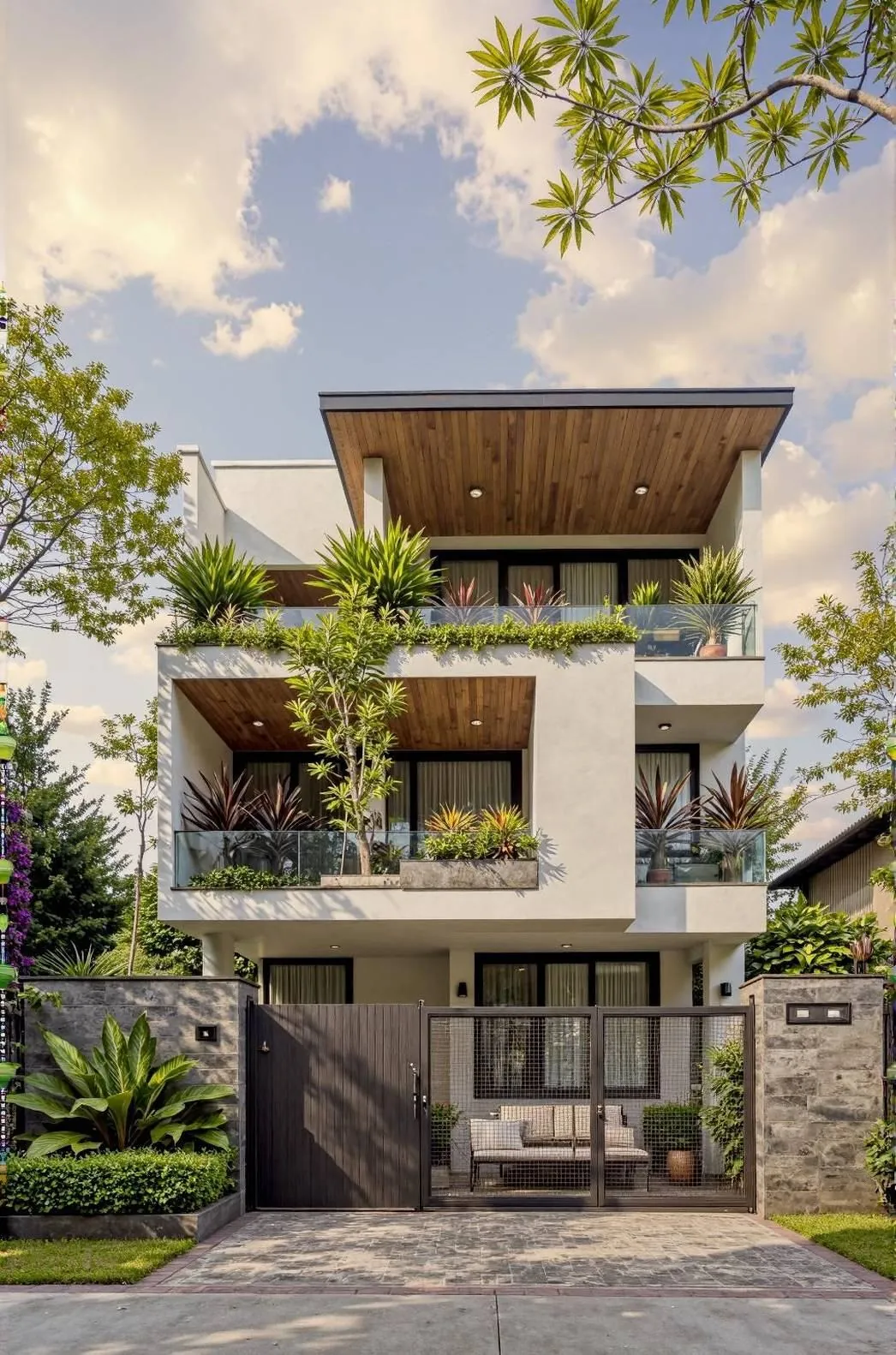
That gap is a well-documented pattern: foreigner-facing listing sites consistently price the same unit 1.5-2x higher than Vietnamese-only rental groups, because landlords quote differently once they know a renter isn’t local. Studios go for $150-$300/month on local platforms, close to double that on English-language sites. Getting a Vietnamese-speaking friend or a long-stay agent to make first contact with a landlord changes your starting price.
What Does a Long-Stay Visa or Visa Run Actually Cost?
A 90-day single-entry e-visa costs $25 and a 90-day multiple-entry e-visa costs $50, paid directly through the government portal. Renewing by crossing a land border instead adds stamping fees of $25 for a single entry up to $135 for a one-year multiple-entry stamp, on top of the e-visa or approval-letter cost itself. If working out which route fits your dates isn’t how you want to spend an afternoon, our visa services lay out each option and its price.

This is usually where long-stayers get stuck: evisa.gov.vn rejects a lot of foreign-issued cards, and a rejected payment wastes a day at the border, far more of a headache than the $25 fee itself. If you’re trying to stretch a single 90-day e-visa without a border run, see our breakdown of extending a Vietnam visa without leaving first - it’s rarely as simple as it sounds. When someone asks me to just handle it, I pay the fee on a card the portal accepts, confirm the right entry point, and get the renewal done in a single day. Message me on Telegram with your dates if you’d rather skip that.
What Does Food Actually Cost, Local Food vs. Restaurants?
A full day of eating only local Vietnamese food, banh mi for breakfast, mi Quang for lunch, pho and a beer for dinner, costs under $8 in Da Nang in 2026. A bowl of pho or com binh dan at a local eatery runs $1.60-$3, while a mid-range restaurant dinner for two aimed at tourists costs around $19.

Cooking for yourself adds roughly $200/month in groceries at a regular supermarket, which is what most comfortable-tier nomads I know actually do: local street food a few times a week, groceries for the rest, a restaurant dinner on weekends. Eat out most nights at foreigner-oriented restaurants instead, and food alone climbs toward $500-$800/month.
How Much Do a Motorbike, Gas, and Grab Rides Cost?
Renting a scooter long-term in Da Nang costs 1-2.5 million VND a month (about $40-$100), depending on whether you get a basic Honda Wave-class bike or a newer model. Gasoline runs 20,000-22,400 VND per liter (about $0.80-$0.88), and a short GrabBike ride across town costs 15,000-30,000 VND (about $0.60-$1.20).
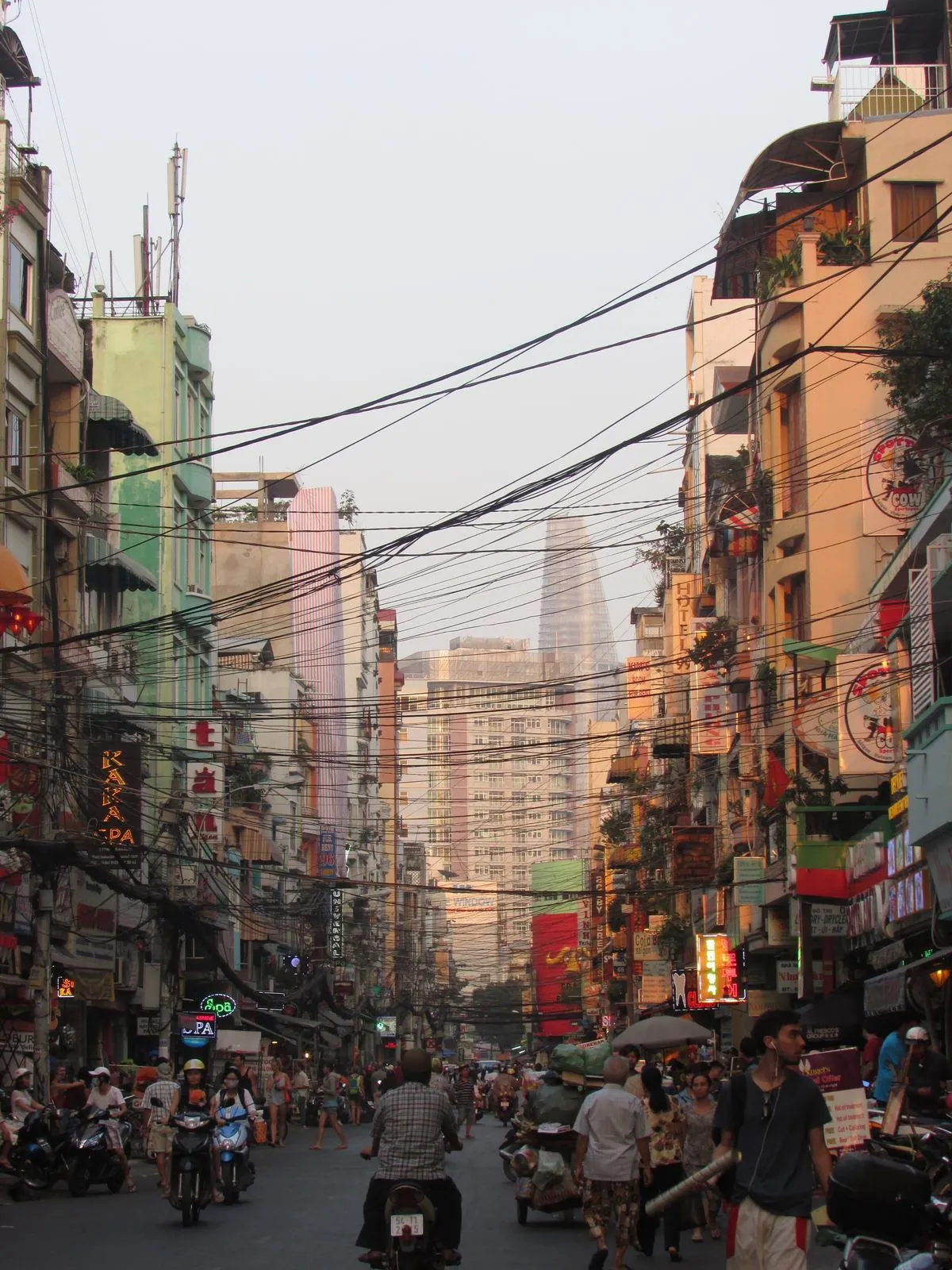
Buying instead of renting only pays off if you’re staying more than about six months. A decent used scooter runs at least 20 million VND (about $800) for something reliable, though older basic bikes trade hands for $200-$400 in expat classifieds groups - treat that lower figure as a rough local-market estimate you’ll want to verify in person. Skip the bike entirely and a GrabCar ride across town costs 60,000-150,000 VND (about $2.50-$6).
How Much Should You Budget for Health Insurance?
Budget international plans like Genki start around €35-60/month (about $38-$65), and Feather starts near €85/month (about $92) for younger expats. A more comprehensive mid-range Asia plan for someone around 35 runs $167-$292/month ($2,000-$3,500/year), which is what most long-stay families and older nomads end up choosing.

Skipping insurance to save money is common among younger backpackers, but a single hospital visit or motorbike accident in Da Nang can run into thousands of dollars without cover, wiping out months of savings from every other line in this budget.
What Do Utilities, Internet, and Coworking Cost?
Basic utilities, electricity, water, and garbage, for a normal apartment run roughly $50-$100/month, spiking toward the top of that range in the hot season (May-August) if you run AC constantly. Numbeo puts the city average near $89/month, while Wise’s separate estimate lands closer to $76.
Home fiber internet costs 190,000-255,000 VND/month (about $7.50-$10), plus a one-time installation fee of around 300,000 VND. A coworking hot desk runs $50-$80/month, a gym membership $15-$30, and a mobile SIM with data $4-$6 - treat the coworking and gym figures as ballpark numbers, since Da Nang-specific pricing here is thinner than for rent or food.
None of this has to be DIY. You can look at routes, transfers, and e-visa help directly on Best Bus, message me on Telegram with your dates and budget for a straight answer. I’ve handled enough visa runs and transfers out of Da Nang to know which mistakes actually cost people money, and I’m happy to help you skip them.
Methodology: Where These Numbers Come From
These figures come from Numbeo’s Da Nang cost-of-living database, Wise.com’s city cost estimate, Expatistan’s city comparisons, and Vietnamese rental platforms (Dot Property, local Facebook rental groups) cross-checked against expat-focused sources like VinWonders, HitchHive, and ExpatDen, all pulled in July 2026. Visa fees come directly from the official fee schedule published for evisa.gov.vn. Where sources disagreed, I kept both numbers instead of picking one: utilities range from Numbeo’s $89/month to Wise’s $76/month, and rent is split explicitly into local-platform and foreigner-facing prices because both are real, depending on how you rent. A few figures, the annualized visa-run cost, secondhand scooter prices, and gym membership pricing, are editorial estimates built from thinner or single-source data rather than confirmed hard numbers, and are flagged as such above.
Frequently asked questions
Can I live in Da Nang on $1,000 a month in 2026? Yes, if you skip renting a motorbike or keep it under about $40/month, eat mostly local food instead of restaurants, and rent through a local Vietnamese platform instead of a foreigner-facing site. Add insurance or a few restaurant nights a week and $1,000 gets tight fast.
Is Da Nang cheaper than Chiang Mai or Bangkok? Yes, on both counts. Expatistan puts Da Nang about 26% cheaper than Chiang Mai and Bangkok about 74% more expensive than Da Nang overall in 2026 data; Numbeo’s narrower excluding-rent comparison shows a smaller 36.7% gap with Bangkok, since the two indexes weigh rent differently. For a country-level version of this comparison, see Vietnam vs Thailand for relocation.
Which Da Nang neighborhood is cheapest for a foreigner to live in? Hai Chau and the areas just outside the An Thuong and My Khe beach strip are consistently cheaper than the expat-heavy zones right on the sand. My Khe, My An, and An Thuong carry the highest foreigner-facing rents because that’s where most listing sites and agents concentrate.
Does a family need a much bigger budget than a solo nomad? Considerably. Numbeo’s 2026 data puts a family of four’s monthly costs excluding rent at $1,538-$1,600, versus roughly $440/month excluding rent for one person. Add a two-bedroom apartment and the family total lands closer to $2,000-$2,500 a month all-in.
How much does a full year of visa runs cost long-term? Roughly $100-$300+/year averaged across renewals, depending on how often you renew and whether you use single- or multiple-entry e-visas. That’s an editorial estimate: no government source publishes a single annualized total.
Can you renew a 90-day e-visa indefinitely without leaving the country? Sources disagree on whether back-to-back renewals require a land-border exit or a cooling-off period, and the rules shift. Check evisa.gov.vn directly before planning around back-to-back renewals - forum threads on this specific point go stale fast.