Vietnam costs a Canadian roughly a third of what the same life costs at home. Comparison sites put the average monthly spend at about $2,044 in Canada against about $650 in Vietnam, and in practice most expats land between $800 and $2,500 depending on the lifestyle they choose.
I live in Da Nang and handle e-visas for people who move here, so I see the same budgets from the inside: what newcomers expect to pay, and what the bills actually say a few months later. The figures below mix those bills with 2026 price data from expat sources.
Monthly Budget: Three Lifestyles
Three tiers cover most expats: $800-$1,200 a month for a frugal setup, $1,800-$2,500 for a comfortable one, and $3,500 and up for high-end. Frugal means a studio in a local neighborhood, street food for most meals, a rented motorbike and basic local insurance. Comfortable adds a one or two bedroom in an expat-friendly district, a gym, regular restaurants and mid-tier international health cover. High-end often goes past $5,000 with a serviced apartment, domestic help and fine dining.
The same high-end life costs far more in a major Canadian city. The percentage saving is biggest at the frugal end, the dollar saving at the top.
Rent and Housing: Where the Gap Is Biggest
Rent in Vietnam sits about 70% below Canada on the same comparison data. A studio in a local Ho Chi Minh City district such as Binh Thanh or Go Vap costs $300-$500. A one-bedroom in an expat building in Thao Dien runs $700-$1,000, and a two-bedroom there $900-$1,300.
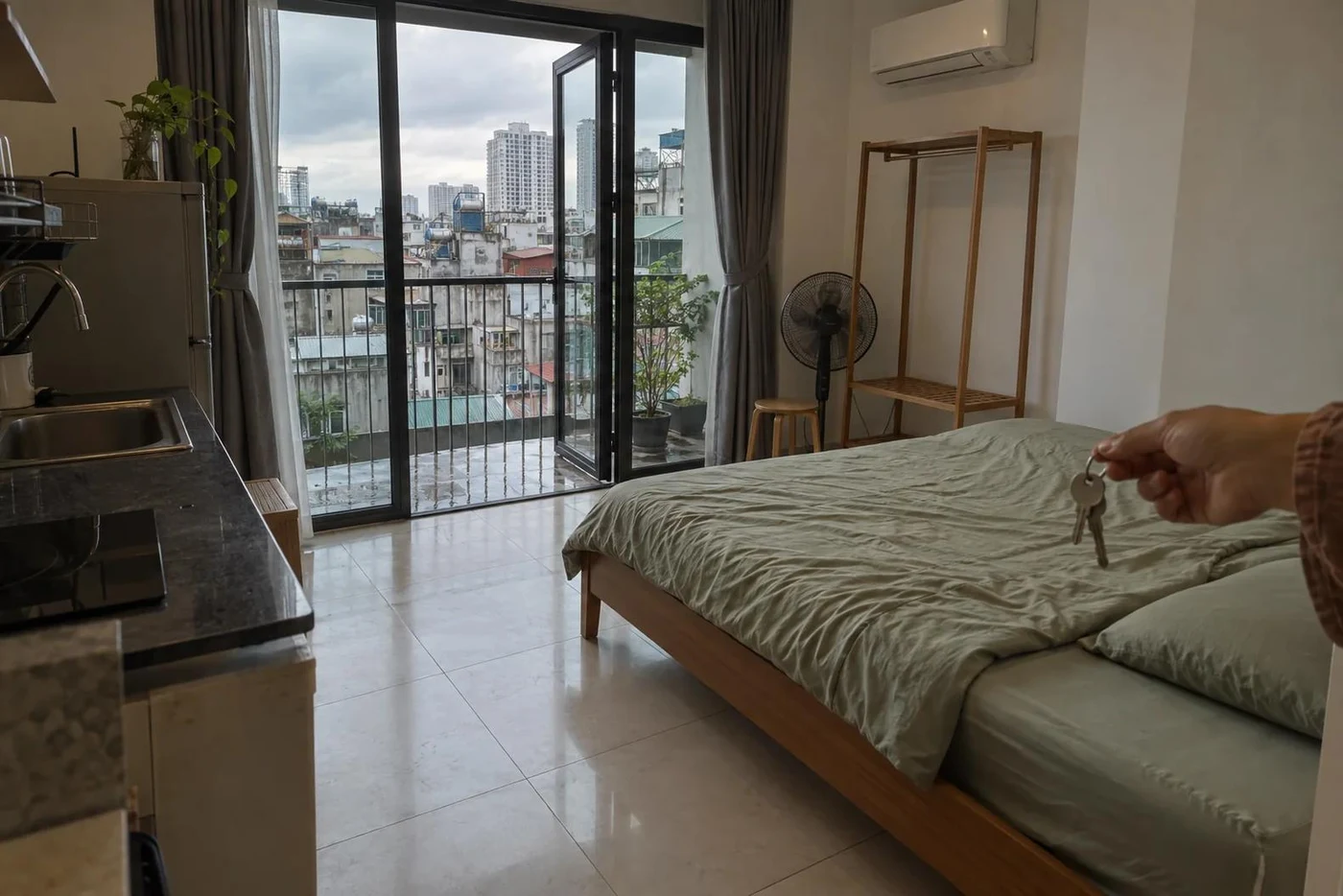
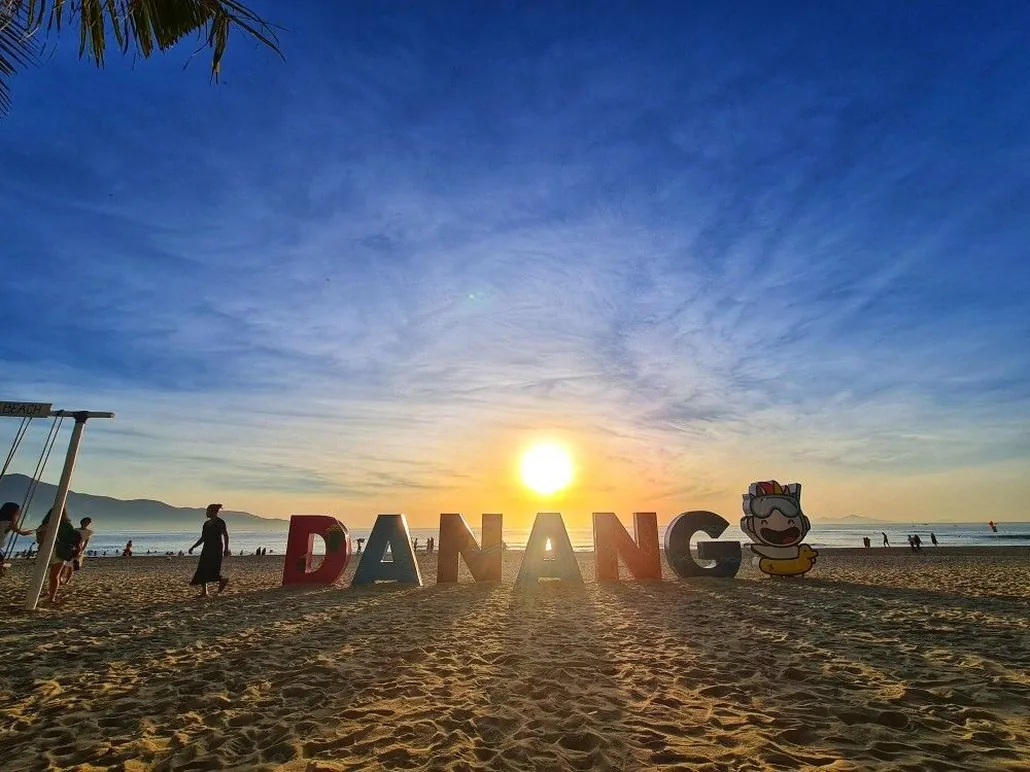
Da Nang is cheaper still. A two-bedroom near My Khe Beach can cost $400-$700 a month, so the money that buys a cramped one-bedroom in Thao Dien gets you a sea view and a rooftop pool. The trade-off is a smaller expat community and a quieter city. For a remote worker on a frugal budget I lean toward Da Nang, because the rent saving pays for the quiet; if your work depends on meeting people in person, Thao Dien earns its price. My Da Nang cost of living breakdown has the monthly numbers.
Electricity surprises Canadians who are used to cheap power. Vietnam uses progressive pricing, so an apartment with two air conditioners running 8-10 hours a day can produce a $100-$150 bill. Judge a flat by rent plus power: ask to see the previous months’ bills before signing. Run the AC only at night and a studio stays around $30-$40.
Food and Daily Groceries
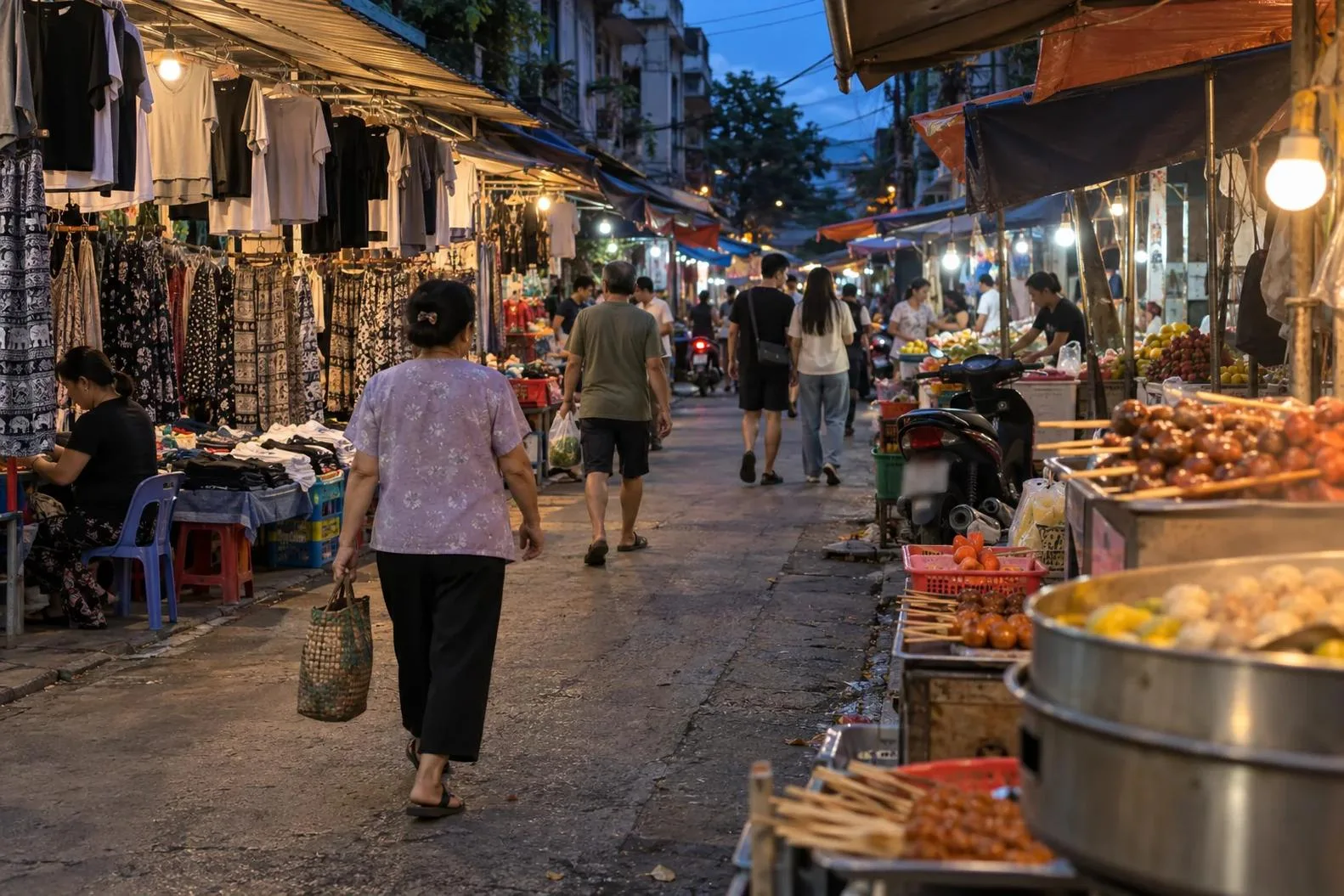
Restaurants cost about 5 times less than in Canada and groceries about 2.3 times less, so food bills drop fast if you eat the local way. A bowl of pho costs 40,000-50,000 dong, about $1.60-$2.00. A banh mi is $1.00-$1.40 and a plate of com binh dan, the rice-and-dishes lunch for office workers, is 35,000-50,000 dong.
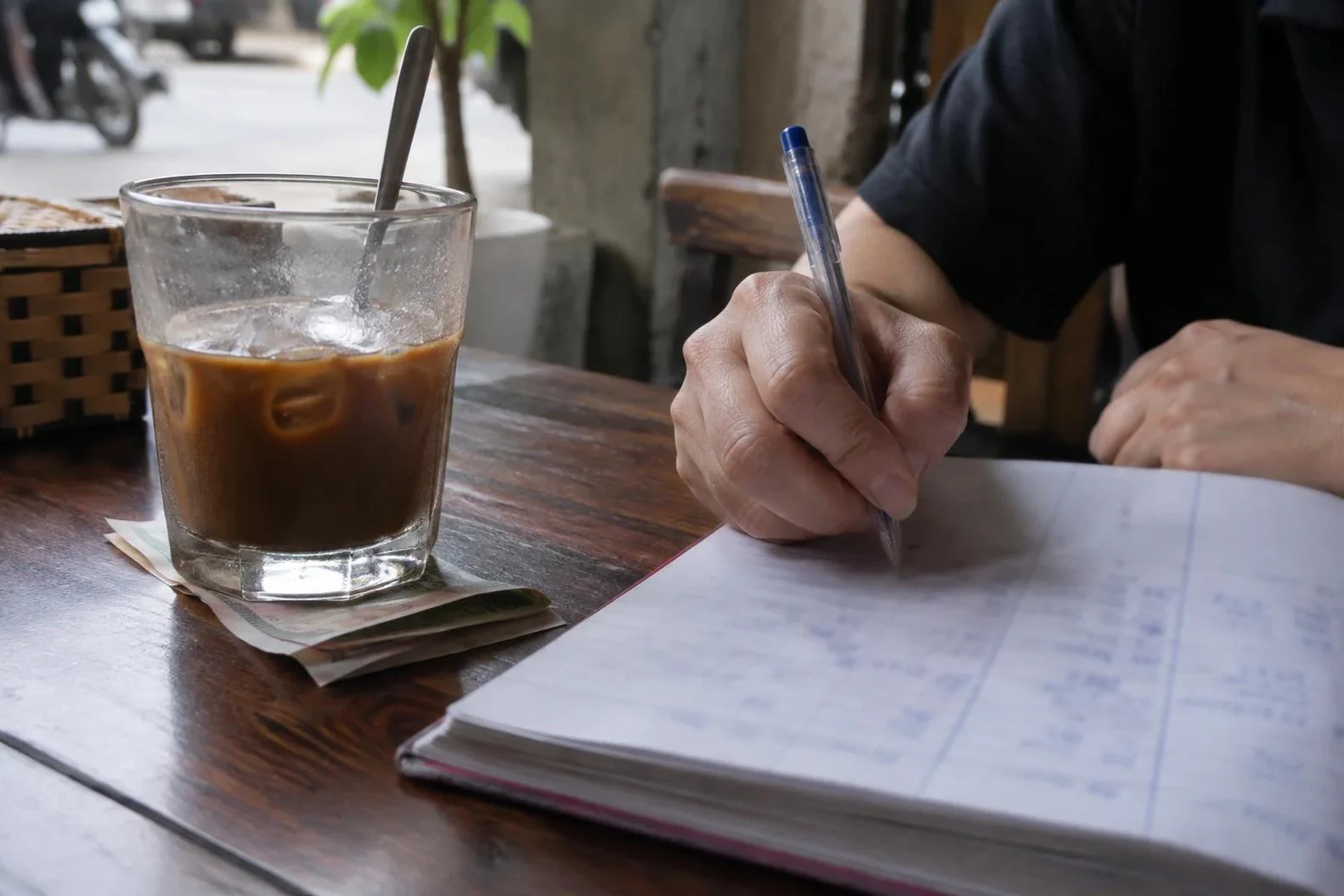
The savings shrink once you want Canadian habits. A flat white at a specialty roaster is around 95,000 dong against 25,000 for a local iced coffee, and a weekend brunch with eggs benedict runs $12-$18. Imported cheese, maple syrup and peanut butter cost close to home prices or more.
Getting Around Without a Car
A one-way local transport ticket costs about $0.50 in Vietnam against $3.50 in Canada, and a monthly pass about $11 against $105. Most newcomers do not use buses, though. A rented motorbike costs about $50 a month plus $15-$20 in fuel, and Grab Bike or Grab Car covers the rest. A trip across a big city by Grab Car is $3-$5 and an airport run is $8-$12.
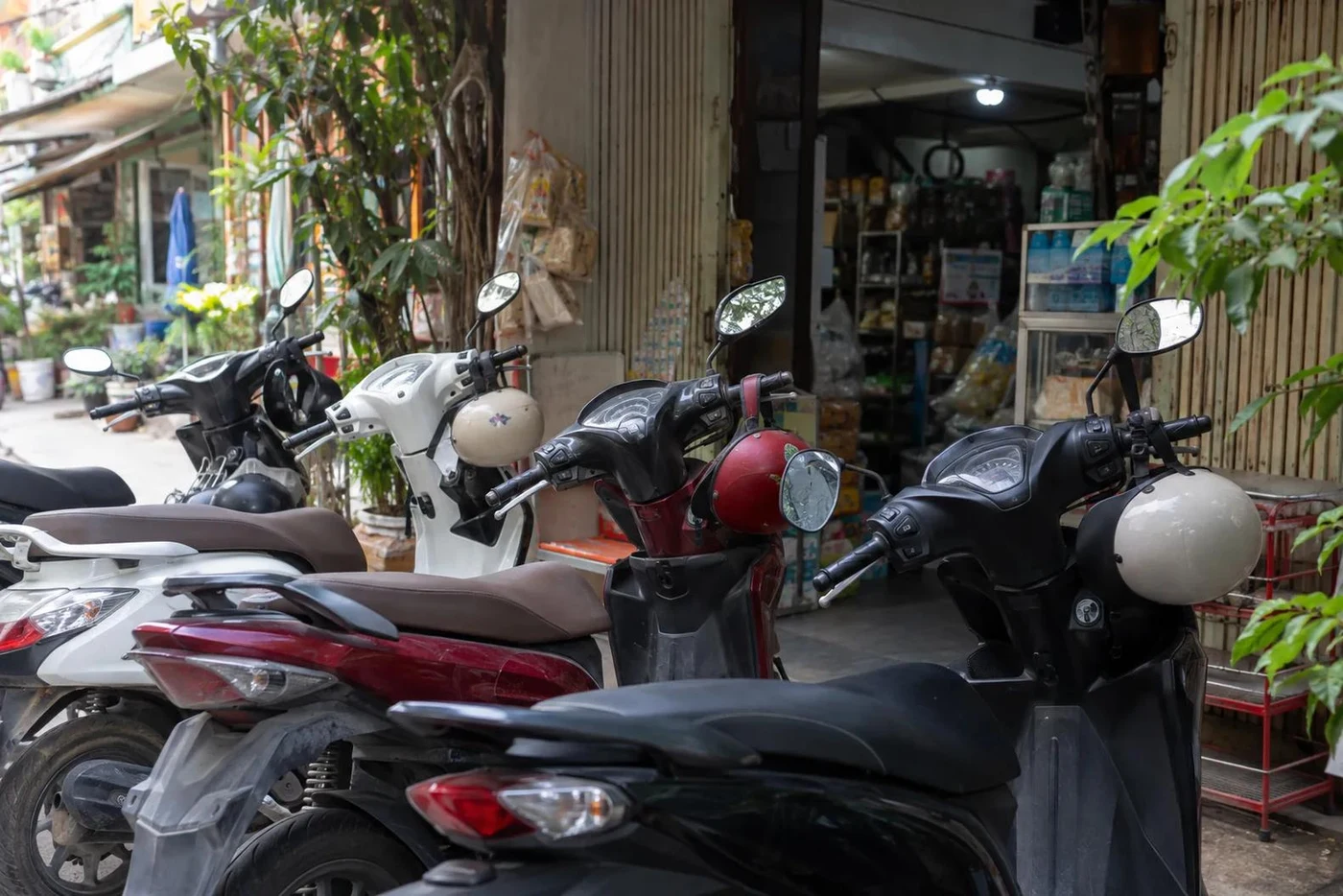
You need a valid license to ride legally, and a police stop or an insurance claim both go badly without one.
Health Insurance: The Cost Canadians Forget
Mid-tier international coverage costs about $800-$1,500 a year, which is $65-$125 a month. I count that amount as a fixed monthly cost from day one, because at home Canadians never see this line.
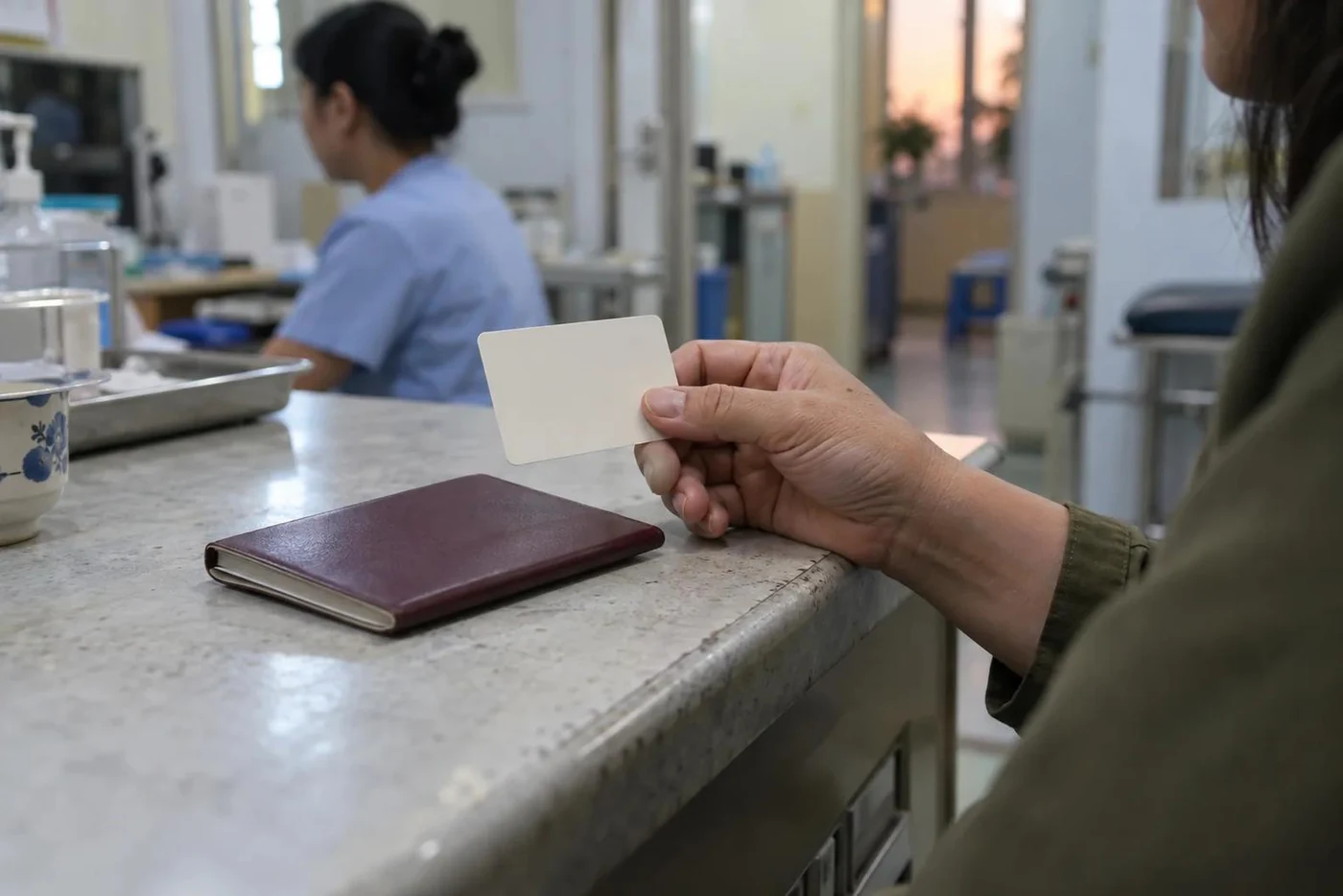
Local Vietnamese insurance costs $150-$250 a year but only works at local hospitals. International hospitals such as FV Hospital in Ho Chi Minh City charge $300-$500 for a night without insurance, and surgery or a long stay can reach $10,000-$30,000. Provincial plans have residency rules that vary by province, so check yours before you leave and do not assume it will follow you abroad.
Visas and the 90-Day Cycle
Canadians can apply for an e‑visa on the official portal evisa.gov.vn. It costs $25 for a single entry or $50 for multiple entry, takes about 3 working days and allows up to 90 days. After that you leave and come back on a new visa, or move to a longer-term status: a work permit and temporary residence card, which need an employer or a registered business.
A trip to Bangkok or Kuala Lumpur and back adds up to $165-$285 with the flight, a night in a hotel and the new e‑visa. Four of those a year is $660-$1,140, or $55-$95 a month, so put it in the budget. The multiple-entry e‑visa guide explains when the $50 version pays for itself.
You can do all of this yourself on the portal. The two things that cost people money are a typo in the application or a bad photo, which means a refusal and a new fee, and a fee payment the portal rejects. I fill in e-visas by hand for people arriving from abroad and arrange the border run from Da Nang when the 90 days end. If you would rather not risk a refusal, message me with your dates.
Remote Income and the Real Savings Rate
The Vietnamese dong has weakened gradually against the dollar, so income earned in Canadian or US dollars gains purchasing power over time, provided your own spending stays flat.

I have watched the same pattern repeat. Someone arrives on $1,500 a month, moves to a nicer building for the gym, switches from Grab Bike to Grab Car, eats at the new Italian place and by month eighteen spends $2,500. Nothing on the list is wrong, but the savings rate they moved here for is gone. Decide your tier before you land and review the bills every month for the first six.
Where These Numbers Come From
Country averages and price ratios come from public cost-of-living comparison data for 2026. Rent, food, insurance, school and visa-run figures come from expat cost guides and local prices checked in 2026. Verify visa fees on evisa.gov.vn before you book.
Which Budget Fits You
A single remote worker with income in Canadian or US dollars does well on the frugal or comfortable tier, and Da Nang gives the cheapest rent at that level. Someone who needs an office crowd or an international school should plan on the comfortable tier in Ho Chi Minh City. Mid-tier international schools there charge $8,000-$15,000 a year per child, which can double a family budget, and my first month in Vietnam cost breakdown covers the one-off costs of the first 30 days.
Whatever tier you pick, the visa comes first, and it is the one item that cannot be fixed after you land. Send me your arrival date and budget on WhatsApp and I will tell you what your first 90 days will cost.
Frequently asked questions
How much does a housekeeper cost in Vietnam? A housekeeper who comes twice a week costs about $150-$200 a month, full-time help runs $300-$500, and a personal driver costs $600-$800. Most expats below the comfortable tier skip all three.
What does a phone plan cost? Unlimited 4G data from Viettel or Vinaphone costs about $7 a month, which is one of the biggest price gaps with Canadian carriers.
How much does a gym membership cost? Expect $40-$80 a month at a chain gym or a building gym in an expat district. Local gyms and outdoor fitness are cheaper.
How much passive income do I need to live comfortably? One expat finance blogger puts the comfortable tier at about $2,500 a month. At a 4% withdrawal rate that needs a portfolio near $750,000, or $450,000-$500,000 if you earn the 5-7% that Vietnamese bank deposits and dividend stocks pay. Treat it as one estimate, not advice.