Living in Vietnam costs an Australian about 61% less than living at home once rent is counted, and about 57% less on daily spending alone. Those are Numbeo’s March 2025 figures in Australian dollars, and rent alone is 70% lower on Numbeo’s rent index.
I live in Da Nang and arrange e-visas for people who move here, so I see the budgets Australians arrive with and the bills they carry six months later. The comparison below uses Numbeo data in Australian dollars (A$) and my own Da Nang figures in US dollars (US$), so convert at today’s rate before you plan.
How Much Cheaper Is Vietnam Than Australia Overall?
Vietnam is 57.0% cheaper than Australia on everyday spending and 60.6% cheaper with rent included, according to Numbeo’s March 2025 data. The average monthly salary after tax is A$694 in Vietnam against A$5,566 in Australia, so the low prices work only when your income comes from outside Vietnam.
| Item (monthly unless stated) | Australia | Vietnam |
|---|---|---|
| One-bedroom apartment, city centre | A$2,114 | A$565 |
| One-bedroom apartment, outside centre | A$1,686 | A$377 |
| Utilities for an 85 m2 apartment | A$269 | A$109 |
| Internet, 60 Mbps or faster | A$81 | A$14 |
| Local transport pass | A$150 | A$12 |
| Meal at a cheap restaurant | A$25 | A$3 |
| Dinner for two at a mid-range restaurant | A$120 | A$36 |
Where Do Australians Save the Most on Rent and Food?
Rent, internet and restaurant meals shrink the most. A city-centre one-bedroom costs A$565 against A$2,114 in Australia, internet costs A$14 against A$81, and a cheap restaurant meal costs about A$3 against A$25. These three lines explain most of the 61% gap.
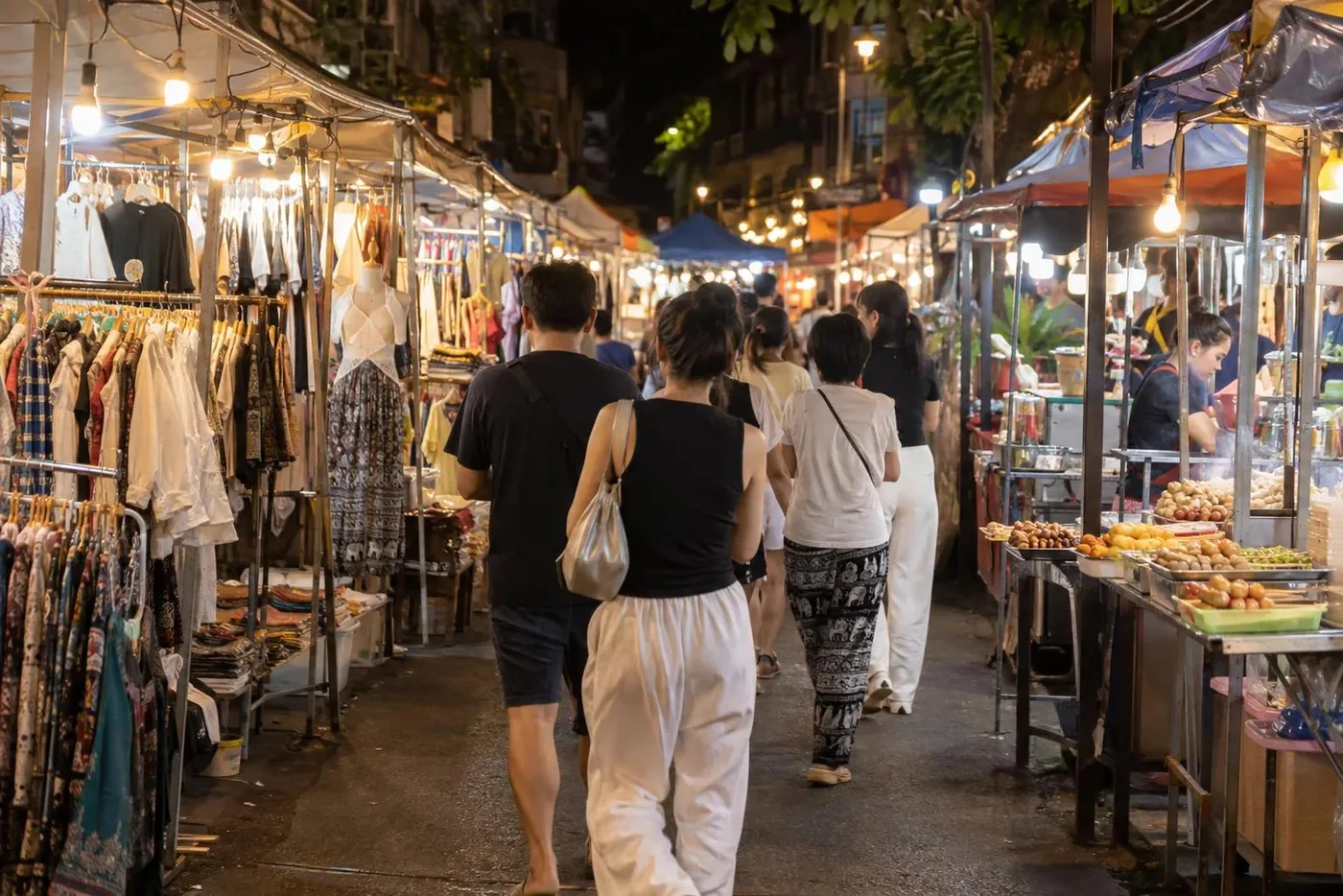
I see the same pattern in dollars in Da Nang. A one-bedroom rented through a local Vietnamese platform runs US$150-$330 a month, and a foreigner-facing listing site prices the same unit at US$385-$690. A Vietnamese-speaking friend who makes the first contact with the landlord changes your starting price. My Da Nang cost of living breakdown has every line.
Electricity is the bill that surprises people. Vietnam prices power progressively, so two air conditioners running 8-10 hours a day can produce a US$100-$150 bill, while a studio with the AC on only at night stays around US$30-$40. A landlord’s quoted monthly average hides those two-air-conditioner summers, so I ask for the last three months of bills before anyone signs a lease.
What Costs the Same or More in Vietnam?
International school fees cost about the same as at home. An international primary school averages A$20,191 a year in Vietnam against A$19,457 in Australia, which is 3.8% more. Local cheese costs 35% more than in Australia, and milk is only 4% cheaper, so anything imported or built for expat taste closes the gap fast.
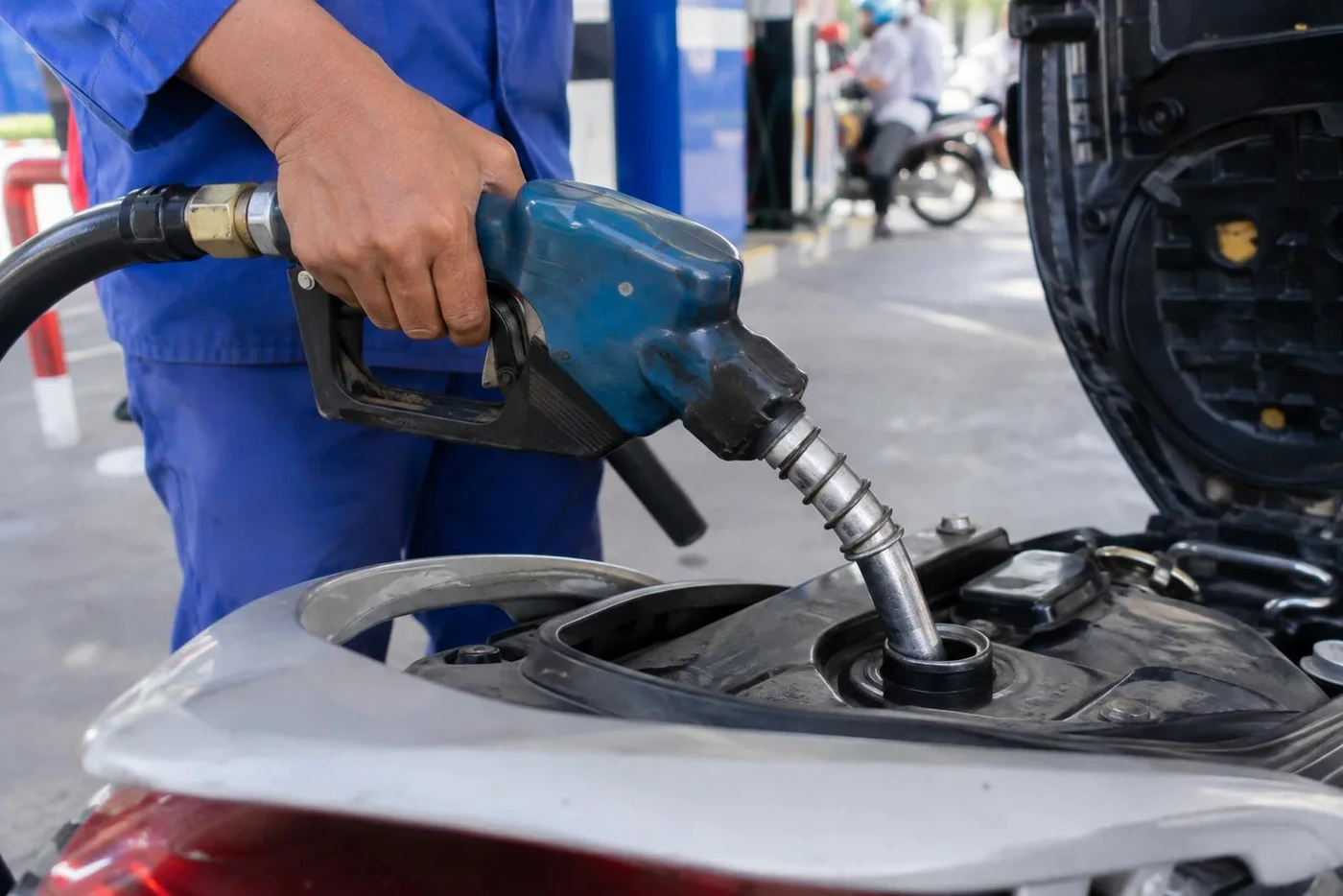
Fuel is only 22% cheaper than in Australia, so a car-dependent life saves far less than a motorbike one. Most expats rent a motorbike for about US$50 a month and budget a little more for fuel, and you need a valid licence to ride it legally.
For a family the split is sharp. A full-day private preschool costs A$369 a month against A$2,449, which is the kind of saving that makes the move pay. For a family I find the preschool years the sweet spot of the whole move, because the saving is large and the school bill has not arrived yet. The international school years are where the budget stops shrinking.
What Monthly Budget Works in Da Nang?
In Da Nang I see three tiers: about US$700-$900 a month for a frugal setup, US$900-$1,500 for a comfortable one, and US$1,600-$2,500 for a family living well. Frugal means a studio, local food and a rented motorbike. Comfortable adds a one-bedroom near My Khe Beach, a gym, regular restaurants and mid-tier health cover.
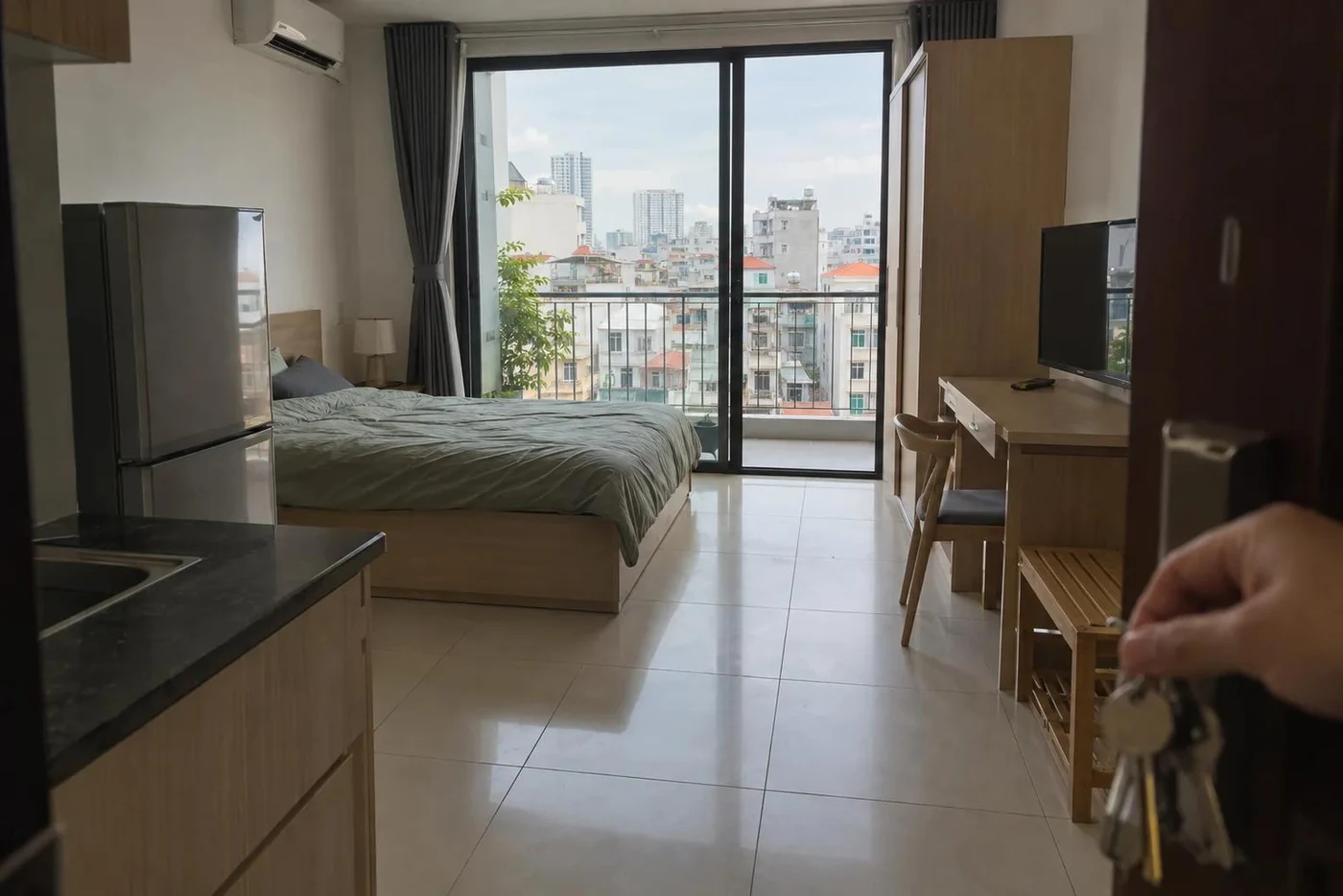
Ho Chi Minh City costs more in the expat districts: a one-bedroom in Thao Dien runs US$700-$1,000 against US$385-$690 for a comparable unit in Da Nang. For a remote worker paid in Australian dollars I lean toward Da Nang, because the rent saving pays for a quieter city. If your work depends on meeting people in person, Thao Dien earns its price.
Budgets drift. A plan of US$1,500 often becomes US$2,500 by month eighteen once a move to a building with a pool and gym adds to the rent and the daily Grab Car replaces the motorbike. Those two lines are the ones I watch first, since they grow quietly after the lease is signed. Pick your tier before you land and read the bills every month for the first six.
Do Australians Need a Visa, and What Does It Add to the Budget?
Yes. Australian passport holders get no visa-free days in Vietnam, so every stay needs an e‑visa from the official portal evisa.gov.vn. It costs US$25 for a single entry or US$50 for multiple entry, allows up to 90 days and usually arrives in about 3 working days. The Australian passport e‑visa guide covers fines and processing in detail.
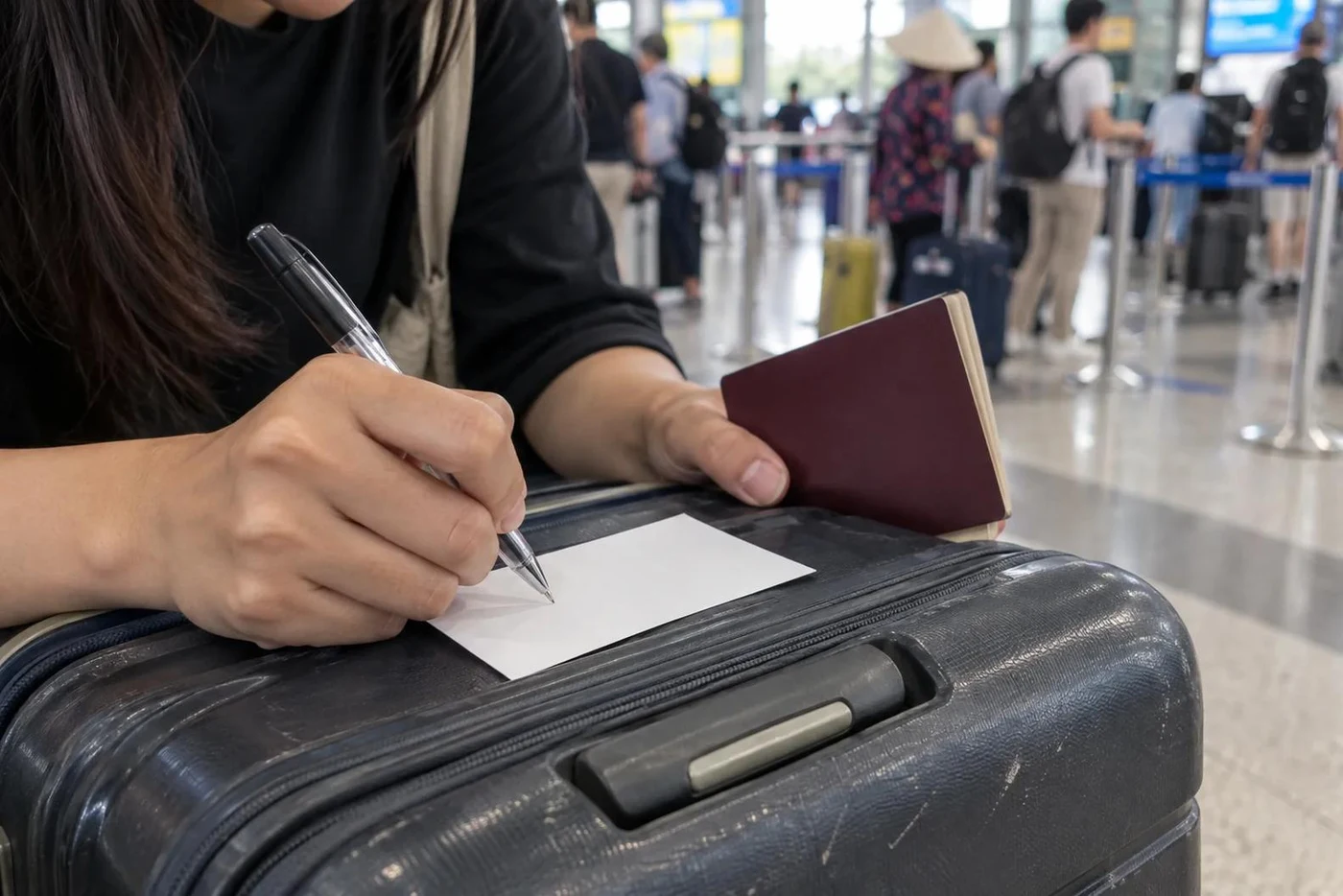
After 90 days you leave and re-enter on a new e‑visa, or move to a work permit and temporary residence card, which need an employer or a registered business. A round trip to Bangkok or Kuala Lumpur with a flight, a hotel night and a fresh e‑visa adds up to US$165-$285, so four of them a year add roughly US$55-$95 a month to the budget. The multiple-entry e‑visa guide shows when the US$50 version pays for itself.
You can file all of this yourself. The expensive mistakes are a typo or a bad photo that gets the application refused, and a fee payment that the portal rejects, which costs you days before your flight. At BestBus Vietnam I fill in e-visas by hand and pay the government fee on my own card, so the portal rejection becomes my problem. If you want that off your list, message me your flight date and I will file the application with enough days to spare.
What Does Health Cover Cost Without Medicare?
Medicare does not follow you to Vietnam, because Australia’s reciprocal health agreements cover a short list of countries and Vietnam is not on it. Check the current list with Services Australia before you leave. Mid-tier international cover costs about US$800-$1,500 a year, or US$65-$125 a month, and I count it as a fixed cost from day one.
Local Vietnamese insurance costs US$150-$250 a year but works only at local hospitals. A night at an international hospital such as FV Hospital in Ho Chi Minh City costs US$300-$500 without insurance. The expat health insurance comparison lays out the options.
Where These Numbers Come From
Price ratios and Australian prices come from Numbeo, collected in March 2025 and shown in Australian dollars. Numbeo is crowd-sourced, so treat any single line as indicative. Rent, visa and health figures for Da Nang come from the bills I track and local prices checked in 2026. Verify visa fees on evisa.gov.vn before you book.
Which Budget Fits You?
A remote worker paid in Australian dollars does well on the frugal or comfortable tier in Da Nang. A family should plan around the international school bill, because that is the line that does not shrink, and read my Canada comparison for a second set of family numbers.
Whatever tier you choose, the visa has to be right before you board. You can track processing days against your flight yourself. If you would rather not, tell me your departure date on WhatsApp and I will work out how many days the application needs.
Frequently asked questions
How much does a phone plan cost? Numbeo’s March 2025 data puts a mobile contract with calls and 10GB or more of data at about A$9 a month in Vietnam against A$41 in Australia, roughly 78% cheaper.
How much does a gym membership cost? A monthly adult gym fee averages about A$33 in Vietnam against A$72 in Australia, a 54% saving. Chain gyms in expat districts charge more than local ones.
How much does a taxi cost? A taxi costs about A$1.1 to start and A$1 per kilometre in Vietnam, against A$6 and A$2.90 in Australia. Grab Bike and Grab Car usually cost less than a street taxi.
Is a coffee or a beer really that cheap? A regular cappuccino averages about A$2.70 in Vietnam against A$5.40 in Australia, and a half-litre of local beer about A$1.50 against A$10. Specialty roasters and imported beer cost much more.