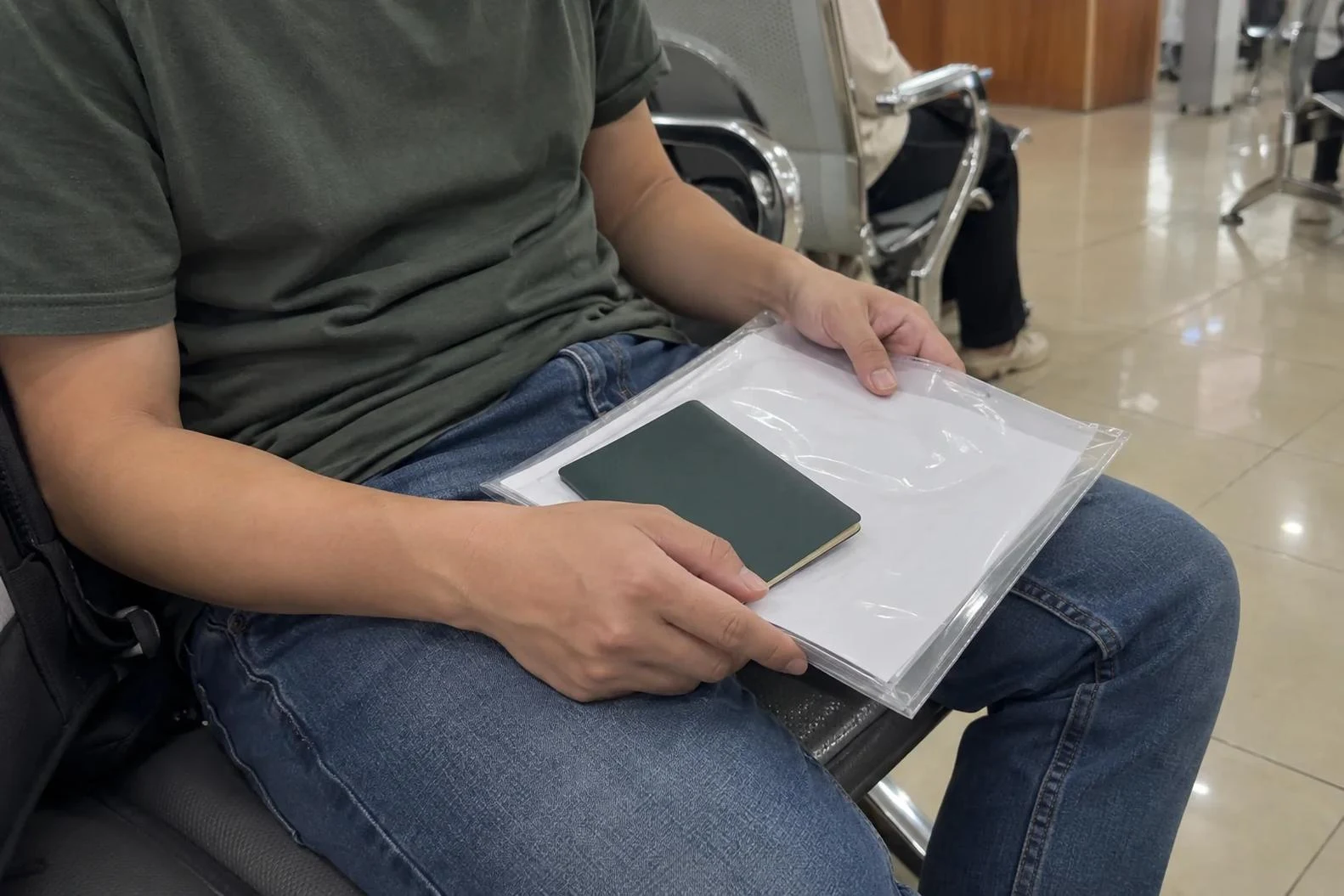
A foreigner can work as a cook in Vietnam, but legally only with a work permit and an LD visa that the employer arranges. Pay is modest: local statistics put a cook at about 4-7.5 million dong a month and a chef at 4.6-12.7 million, and only a few resort or foreign-run kitchens pay in dollars.
Most people who ask about this are Russian speakers who already cook well and want a steady income by the sea. The money exists, and how long the job lasts depends on the legal route.
How much does a cook or chef earn in Vietnam?
Paylab lists a cook at 4.0-7.5 million dong a month and a chef at 4.6-12.7 million, which is roughly $150-290 and $175-485 at about 26,300 dong to the dollar. The figures cover the whole country and mostly local staff, so for a foreigner they mark the floor.
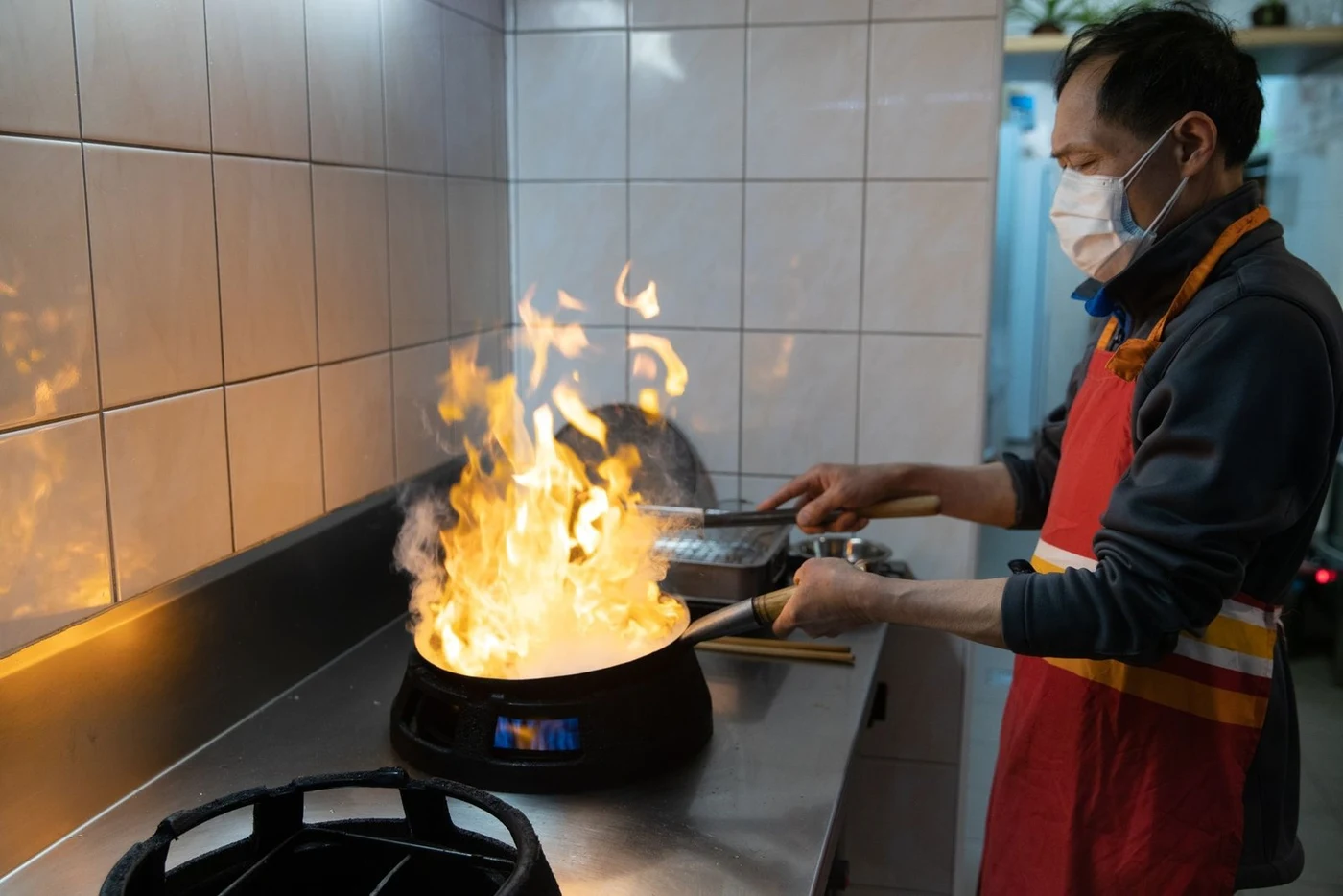
Foreign cooks earn more only where the employer needs a skill locals lack. The one dollar offer I found for Russian speakers was an agency ad for a Russian-cuisine cook on Phu Quoc: $1,200 a month, free housing, meals and help with the permit. The free housing and meals matter to me more than the $1,200 itself, since on an island those are the costs that eat a cook’s pay. It was a single advertisement from October 2025, so it gives you one reference point and nothing more.
Region matters too: Da Nang and smaller beach towns run 10-20% below Ho Chi Minh City and Hanoi for most salaries.
Where do foreign cooks find work in Vietnam?
Foreign cooks mostly find work in restaurants and hotels that sell a cuisine locals do not cook: Russian, Italian, Western breakfast, bakery and barbecue. Resort islands such as Phu Quoc and beach towns such as Nha Trang hire most often, because their Russian-speaking guests ask for familiar food.

Ads appear in Facebook groups for expats in your city, on Telegram job channels for Nha Trang and Phu Quoc, and through agencies. Ask any employer three things before you reply with a resume: who files the permit, who pays for it, and whether the contract states the net monthly amount.
Before you apply, read our breakdown of real pay for foreign workers in Vietnam, which shows what a salary covers in Da Nang.
Which visa and work permit does a cook need?
A cook needs an LD visa and a work permit issued through the employer by the provincial People’s Committee. Under Decree 219/2025, in force since 7 August 2025, the job usually falls into the technical worker category, which asks for about two to three years of experience, sometimes with a year of training.
No line of the rules names cooks, so ask HR which exact category they file under. The permit lasts up to two years and can be extended once for two more. An LD visa can be turned into a temporary residence card later.
A tourist e‑visa never covers paid work. If a kitchen offers you a cash trial week on an e‑visa, you carry the risk yourself. Before you fly out for a trial like that, send me the offer details on WhatsApp and I will check which visa you would enter on and whether the dates fit the 90-day exemption.
What happens if you cook without a work permit?
A foreign worker without a permit or a valid exemption faces a fine of 15-25 million dong (about $570-950) and deportation. The employer pays 30-45 million dong for one to ten foreigners, and a company pays double. These amounts stay in Decree 283/2026, in force since 10 September 2026.
Short jobs under 90 days in a calendar year need no permit, which helps with a seasonal kitchen. The time you wait for the paperwork is a real cost, and our guide on budgeting for the wait before a work permit clears shows how to plan it.
Can you cook for customers without being employed?
It is a grey area: the rules do not say plainly whether a foreigner may sell home-cooked meals without employment. Street and micro-scale food trade is exempt from the food safety certificate under Decree 15/2018, so ask the ward office or a local lawyer before you start.

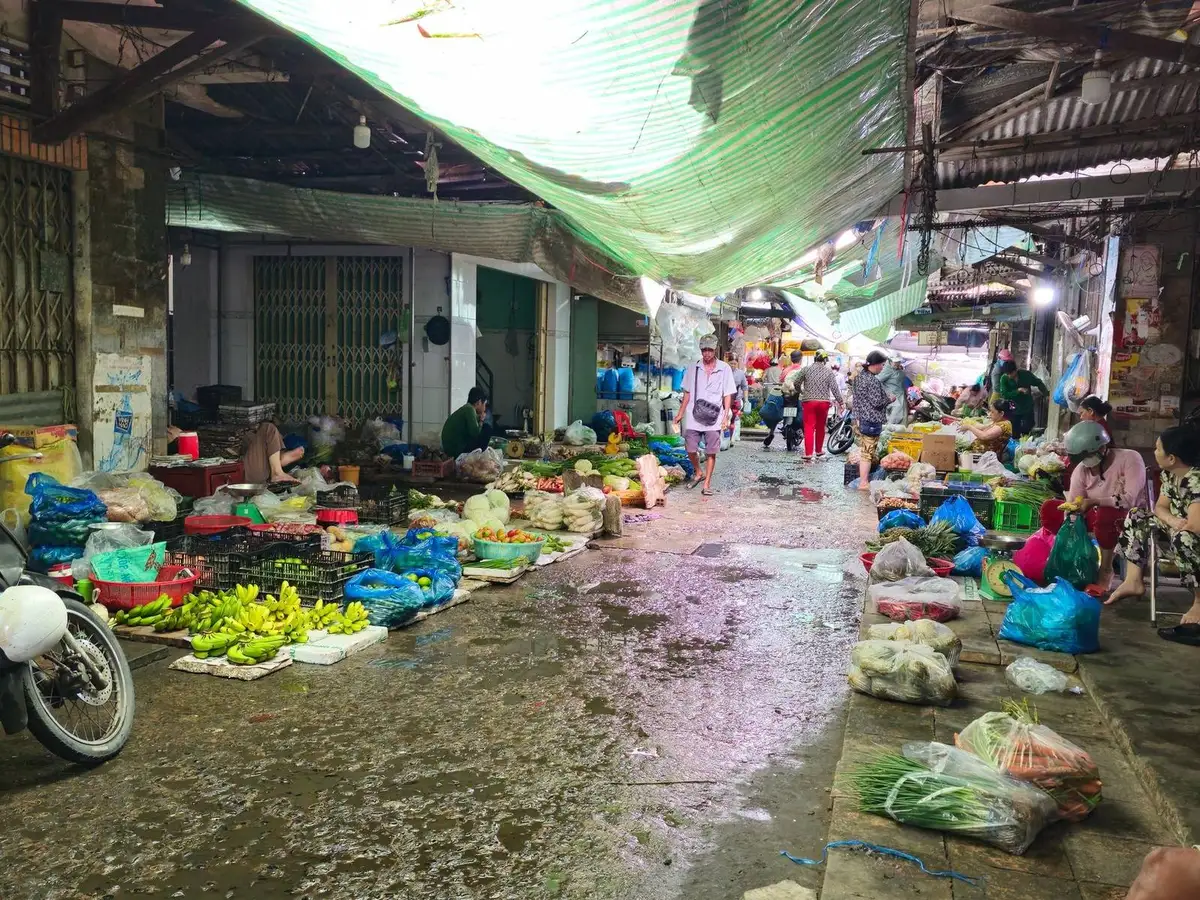
One Nha Trang expat blogger started by posting a barbecue offer in a local chat and got his first order within two hours. He now has more than 100 regular customers and works from noon to nine in the evening without days off. That is a good picture of the upside, and of the hours.
What should you check before you accept an offer?
Get the permit, the visa type and the net pay in writing before you travel. A reliable employer files the permit and pays the fee; a job that starts “next week on an e‑visa” fails that test.
If the kitchen offers you a seasonal job, count the days against the 90-day exemption. For a single season I’d stay inside the exemption and keep the paperwork light; for a year or more the full permit and LD visa is the better base, since it can later become a residence card. The permit paperwork is the employer’s job and you can count the exemption days yourself; the part people get wrong is the visa they enter on. If you want a second pair of eyes, message me on WhatsApp with your arrival date and the city you are going to, and I will plan the entry dates and the visa route around the offer.
Frequently asked questions
Which documents does the employer file with the permit application?
Alongside the application the employer files a criminal record certificate through the National Public Service Portal. Ask what proof of experience they want too, such as reference letters from earlier kitchens.
Must the employer advertise my job before hiring me?
In part of the cases, for example a labor contract with a local employer, the employer has to post a notice of need first. The posting period was cut from 15 to 5 days and the employer picks the platform.
How long can my kitchen contract run?
Not longer than the permit. A permit lasts up to two years and can be extended once for up to two more, so a contract cannot be planned beyond that frame.
Can a fine turn into an entry ban?
In serious or deliberate cases an entry ban of up to three years is possible, according to one secondary source. Treat it as a risk, not a certainty, and keep the permit in order.