Russia lets you take out up to $10,000 in foreign cash, and Vietnam wants a declaration once you carry more than $5,000 or 15 million dong. So the safe travel amount is not one number but the lower of two thresholds, and it depends on which border you are crossing.
I fly clients into Da Nang all year, and the same question comes up before almost every trip from Russia: how much cash is smart to bring? The Russian side is based on the customs breakdown by T-Zh from April 2026 and the Federal Customs Service. The Vietnamese side follows the cash declaration rules for border gates. Check the figures again on the day you fly.
What happens at the Russian airport?
Leaving Russia, your foreign currency in cash cannot exceed $10,000 at the Central Bank rate on the day of travel. Banknotes in dollars, euros or pounds all add up together.
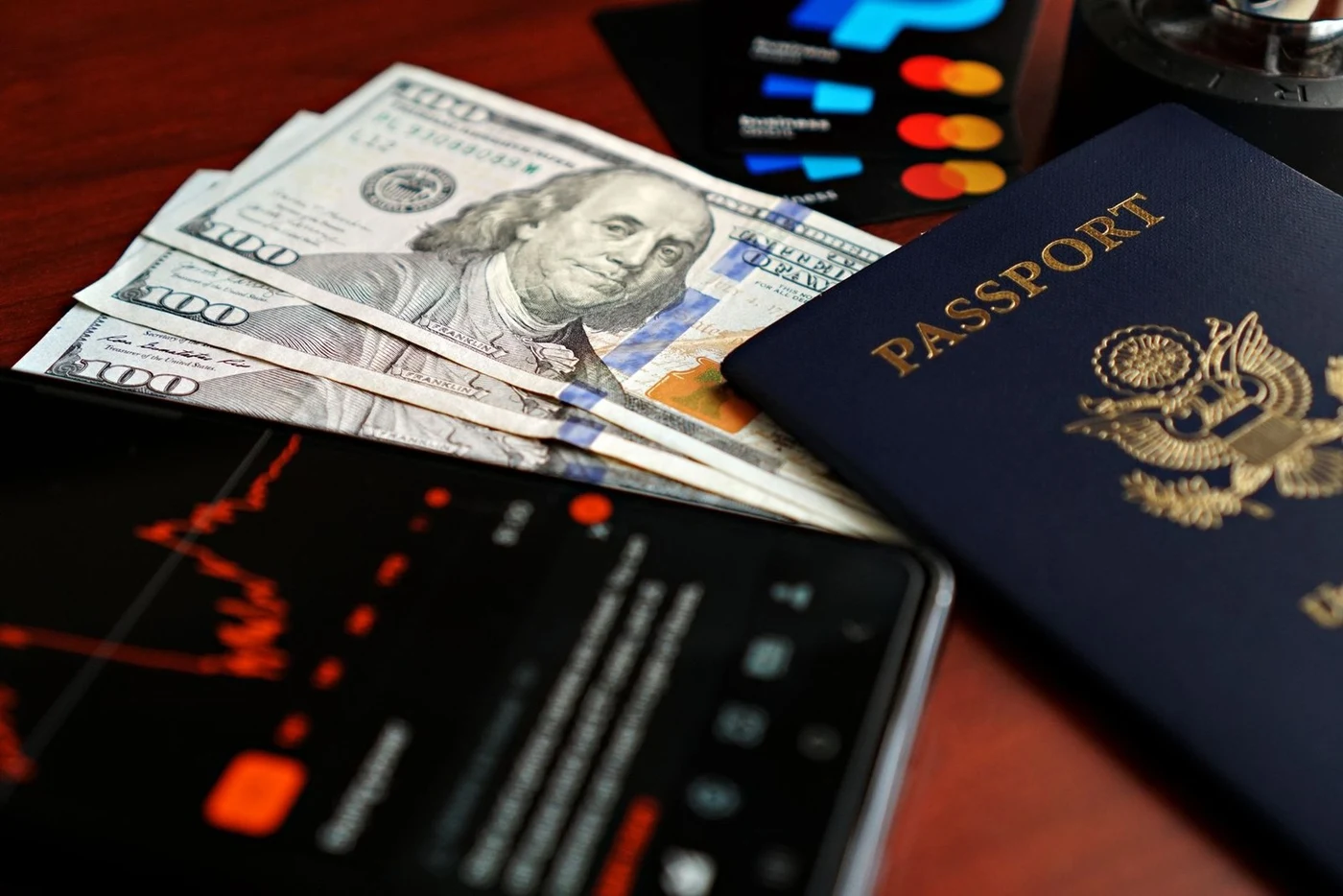
Declaring does not raise that cap. Someone carrying $10,500 cannot fix it with a form: the excess can be seized and fined. Rubles are different, as there is no limit for countries outside the Eurasian Economic Union, and Vietnam is one of them. Once your cash is worth more than $10,000 in total, use the red corridor and file a declaration, which is free. Leave an extra half hour to an hour for the red corridor: the officer checks the form, stamps it and logs it. Keep your stamped copy until the end of the trip, since you may want it again when you fly back with money.
What does Vietnam ask on arrival?
Vietnam has a much lower line. If you carry more than $5,000, or more than 15 million dong, in cash, you fill in the customs declaration at the border gate. The rule counts foreign currency and dong separately, so either threshold on its own is enough.
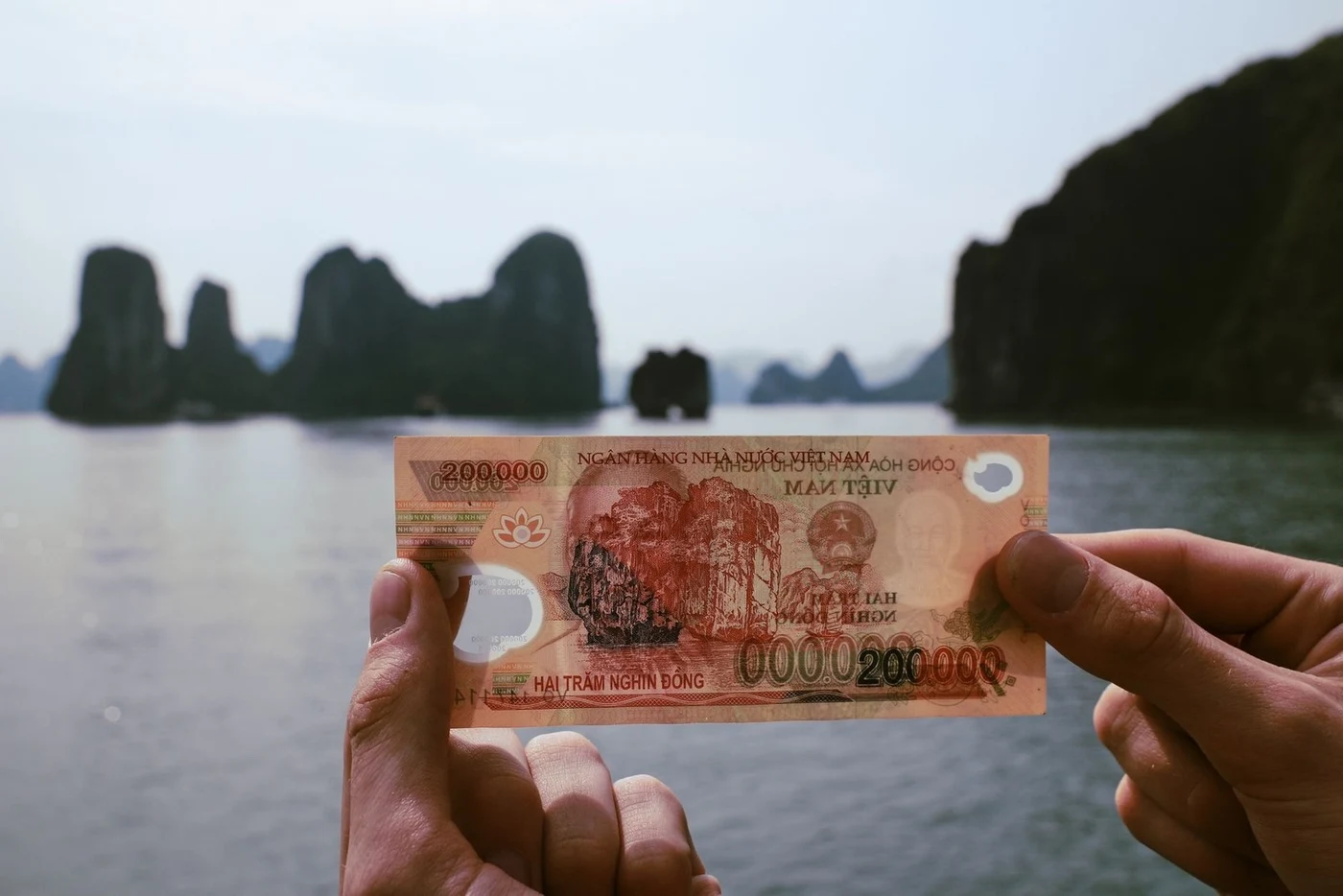
There is one more detail that catches people: if you plan to deposit foreign cash into a bank account in Vietnam, the stamped declaration is what the bank uses as proof, even for amounts below $5,000. So keep the paper, and do not count on being waved through just because you cleared the Russian side without a form. Officers at Vietnamese airports check declared amounts against what is in your bag.
How do the two limits stack together?
Take a traveler with $8,000 in cash. Russia lets that through without any form because it is below $10,000. Vietnam requires a declaration because it is above $5,000. The tighter side wins, and the mistake is checking only the departure rule. This part can be handed over end to end — what that covers is on our Da Nang visa run page.

For a normal trip a simple plan works:
- Keep cash under $5,000 in total and you avoid paperwork at both ends.
- Between $5,000 and $10,000 you file only in Vietnam.
- Above $10,000 in equivalent, declare in Russia too, and keep foreign currency itself at or below the $10,000 cap.
Is cash even the right way to fund the trip?
Cards and accounts are not counted at either border, and that is the biggest reason to bring less. Russian cards do not always work in Vietnam, so I would carry a small buffer in cash and keep the rest in whatever product you have tested. The full picture of what functions on the ground is in how to pay in Vietnam with cards or cash, and for larger sums see how money moves between Russia and Vietnam.
One place where cash does not help is the e‑visa fee. The portal often rejects Russian cards, and no amount of dollars in your pocket fixes that. If you want that step handled, message me on WhatsApp and I will file the e‑visa and pay the fee with my own card.
What should you actually carry?
For a typical stay of a few weeks, a few hundred dollars in cash, enough for the first days and small vendors, plus a working card covers most needs. Long stays and large purchases are better funded by transfer than by a bag of notes. Nothing here is complicated, and you can check every number against the customs pages above without help.

But if you would rather not track dates, fees and rules while planning the trip, write to me on WhatsApp and I will look at your dates and tell you what to sort first. Once the visa is settled and you want the fun part, tours around the country are run at @vietnam_samurai on Telegram.
Frequently asked questions
Can I fly from Russia to Vietnam with $10,000 in cash? Yes, $10,000 is the ceiling for foreign currency leaving Russia, so exactly that amount is allowed. You will need a Vietnamese customs declaration on arrival, because the Vietnam threshold is $5,000.
Do I have to declare money on my bank card when I enter Vietnam? No. The rules cover physical cash and similar instruments. Balances on cards and accounts are not counted at either border.
What if I carry rubles instead of dollars? Russia puts no cap on rubles going to Vietnam, but above $10,000 in equivalent you declare on departure. Vietnam counts rubles by value too, so a large stack of them still triggers its own declaration.
Do I get a fine for declaring cash? No. Declaring is free and it is just a form. Penalties apply to what you fail to declare, and to foreign currency above the Russian cap.
Is it smarter to bring cash or send money? For anything beyond pocket money, moving funds to a card or by transfer is easier than carrying a stack of notes through two customs zones.