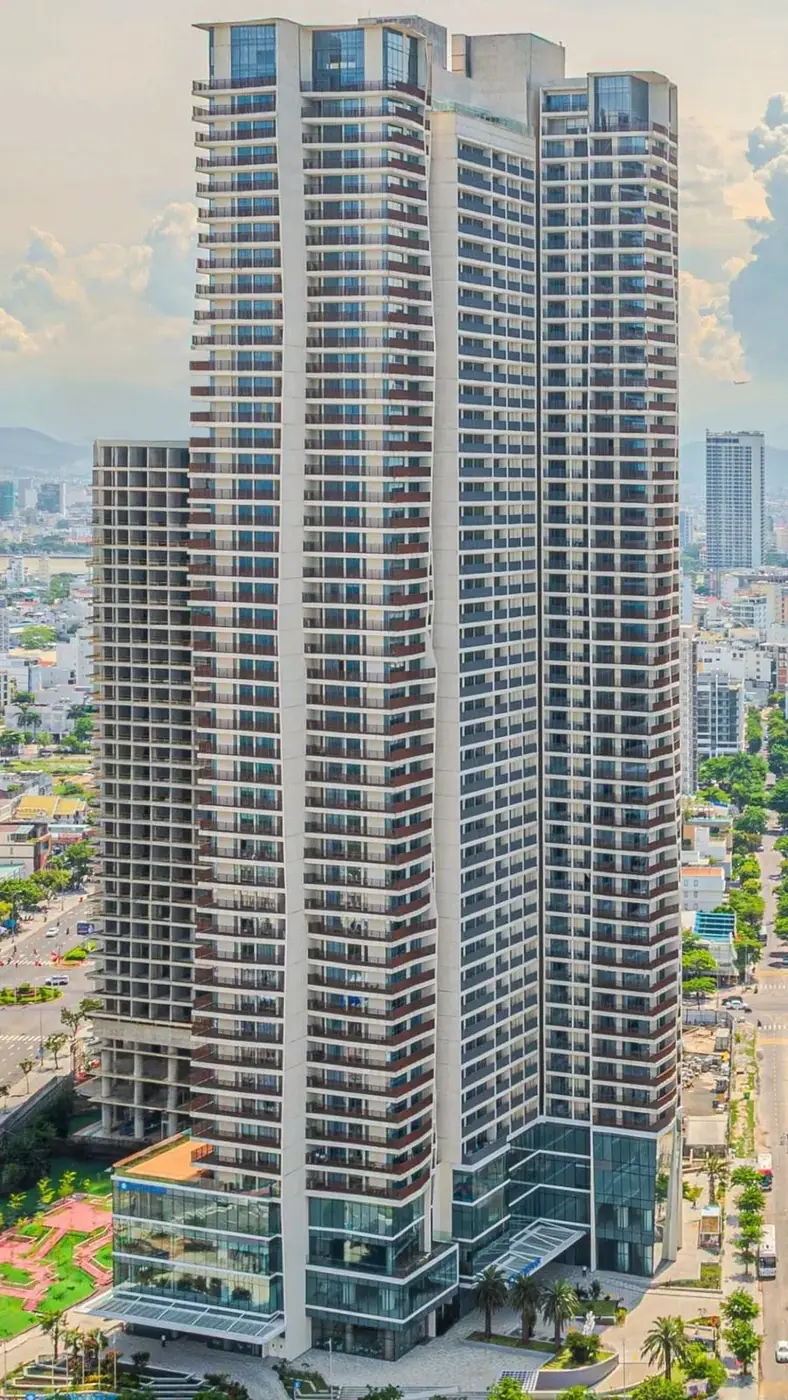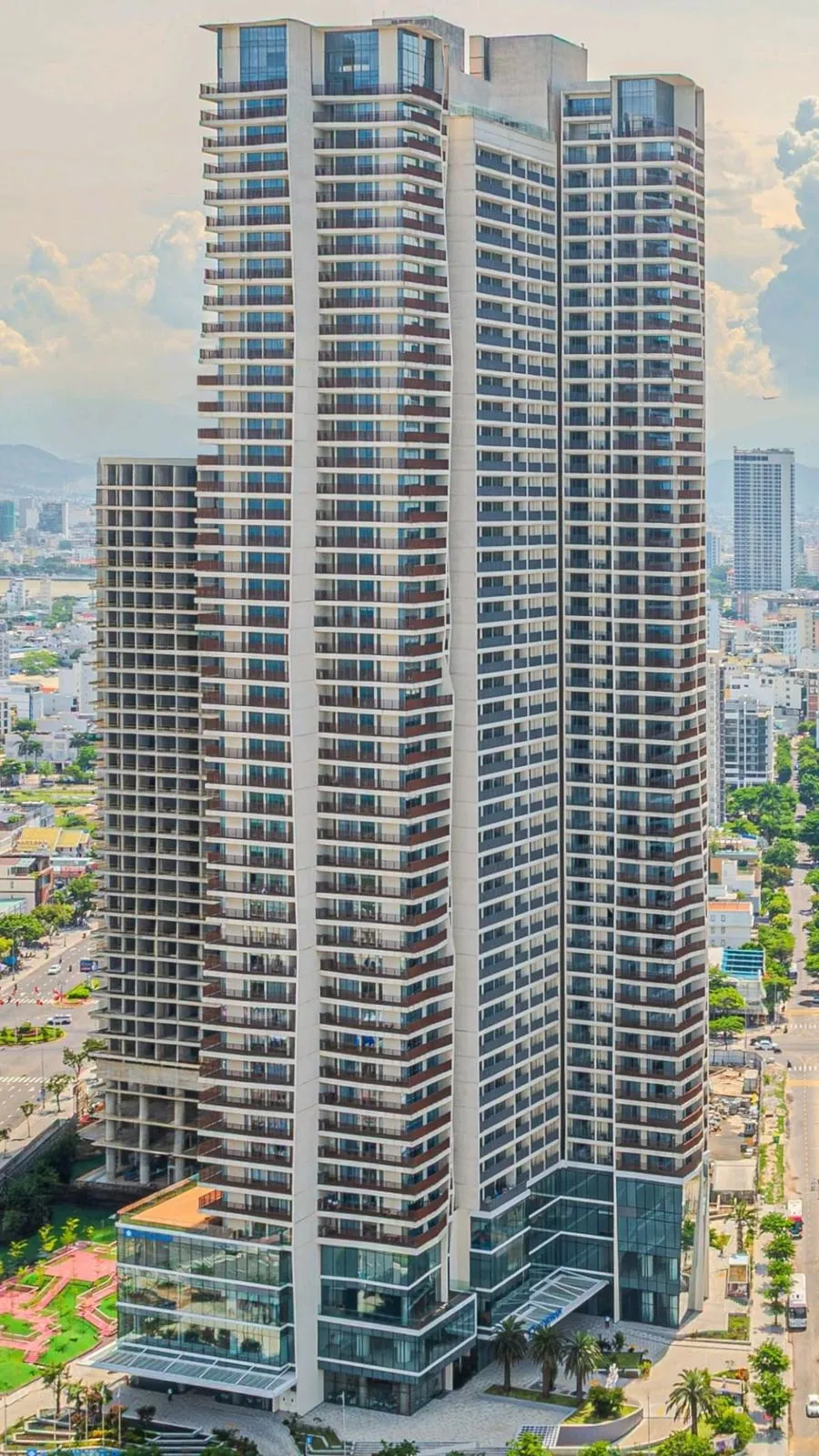
Foreigners can legally buy an apartment or villa in Phu Quoc, but only inside licensed projects, and only for 50 years with one renewal option - never the land underneath it. I’ve walked two people through the paperwork on this island in the past year, and both nearly bought into a building that wasn’t on the approved list.
What can a foreigner actually own on Phu Quoc?
You can own the structure - an apartment, villa, or townhouse - inside a project specifically licensed to sell to foreigners, never the land it sits on. Not every development on the island qualifies: some agents sell units through a Vietnamese nominee holding the deed on paper, which isn’t ownership at all, just a risk you carry for years. Before signing anything, check the specific building against the approved list - a neighboring block in the same complex can be excluded even when the first tower isn’t.
How long do you actually own it for?
Foreign ownership runs 50 years from the date you receive the pink book (Vietnam’s certificate of ownership), with one renewal option for another 50 - up to 100 years total. Since the 2023 Housing Law took effect, a foreign owner can resell directly to another foreigner; before that, only a Vietnamese citizen could be the buyer, which made exiting the asset painfully slow if plans changed.
What does a square meter cost in Phu Quoc?
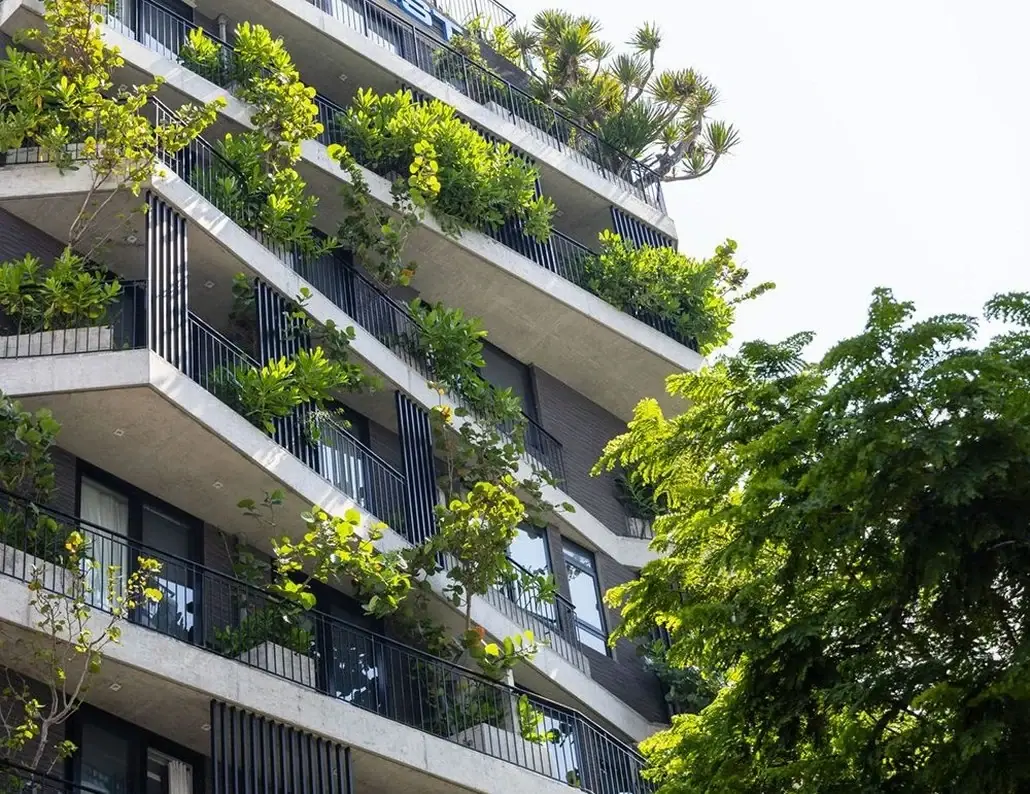
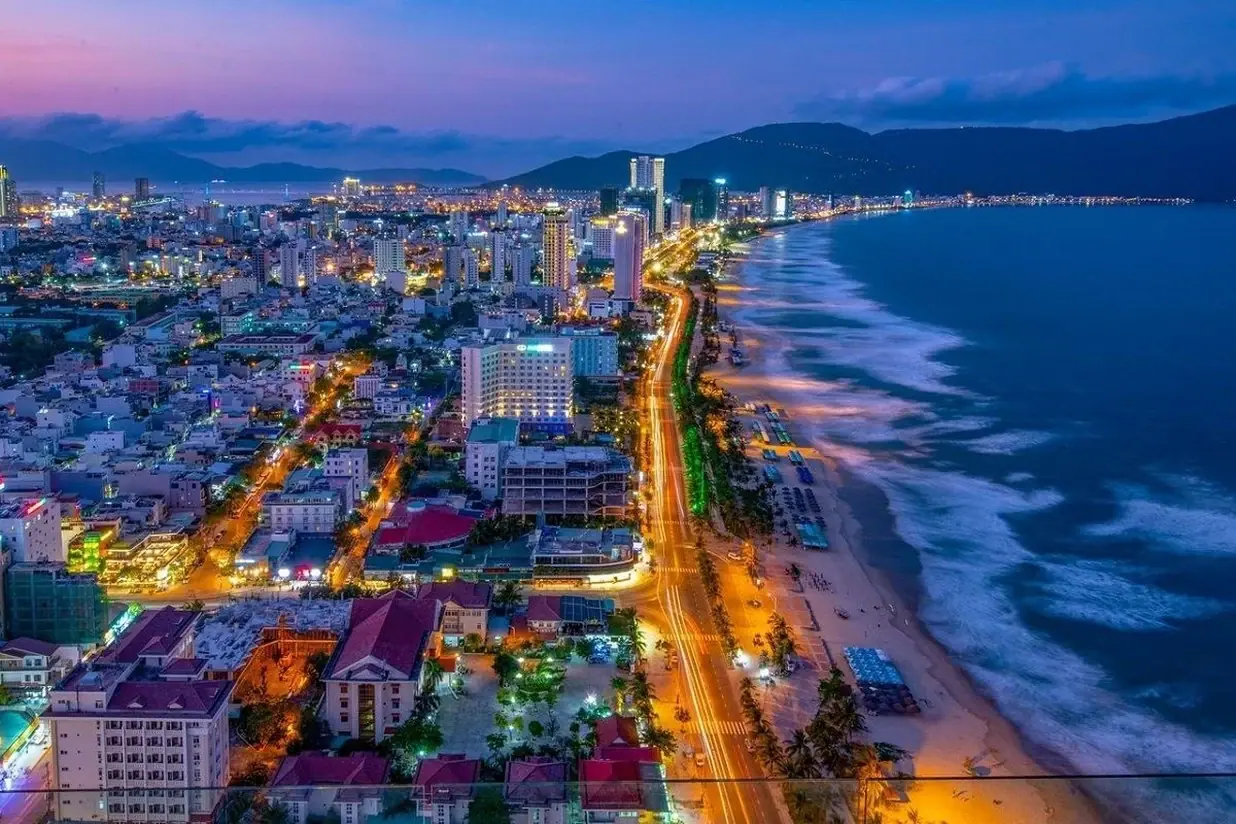
Resort-zone prices on Phu Quoc ran $1,500-3,500 per square meter in early 2025, with the spread driven mostly by distance to the beach and construction stage - a finished unit typically costs 1.5-2x more than the same layout sold off-plan. Da Nang property sits lower on average, since that market serves residents rather than resort buyers, which is worth knowing if you’re comparing islands versus cities.
Where do buyers get burned?
The 30% quota is the most common trap: foreigners can own no more than 30% of the units in any single building, and once that cap is filled, no discount from the agent makes the deal legal. The second is buying through a Vietnamese “partner” on a power of attorney instead of direct ownership - legally that’s not your property, and if the nominee divorces or dies, the asset can end up somewhere you never intended. The pink book goes in your own name, direct, with no proxy in between.

Financing and payment
Vietnamese banks rarely approve mortgages for foreign buyers, so most Phu Quoc deals are cash or a developer installment plan tied to the construction schedule. Installments cost less upfront but lock you to one project - if construction stalls, getting paid installments back is nearly impossible, so a developer’s track record on already-delivered buildings matters as much as the price.
Step-by-step: buying an apartment on Phu Quoc
- Confirm the specific building - not the whole complex - is on the register of projects licensed to sell to foreigners.
- Ask the developer to show the remaining 30% quota for that block in writing.
- Reserve the unit with a deposit, usually $2,000-5,000, and get the draft sale contract reviewed by an independent lawyer.
- Pay in construction-stage installments or a lump sum for finished units - always to the developer’s company account, never cash in hand.
- After full payment and handover, register the pink book in your own name at the local land registry office.
What to check before you wire money
Before sending any money, confirm three things on the specific project’s paperwork: the building is on the foreign-approved list, the 30% quota for that block isn’t already full, and the pink book gets issued directly to you, not through a proxy. If any of the three doesn’t check out, wiring money is premature no matter how good the “sign by Friday” discount looks.
I help people on the island verify exactly this before money moves, not after. Message me on Telegram with the project name and I’ll tell you what to check for your specific case - I also run through the same paperwork for clients buying through our visa and relocation services on the mainland.