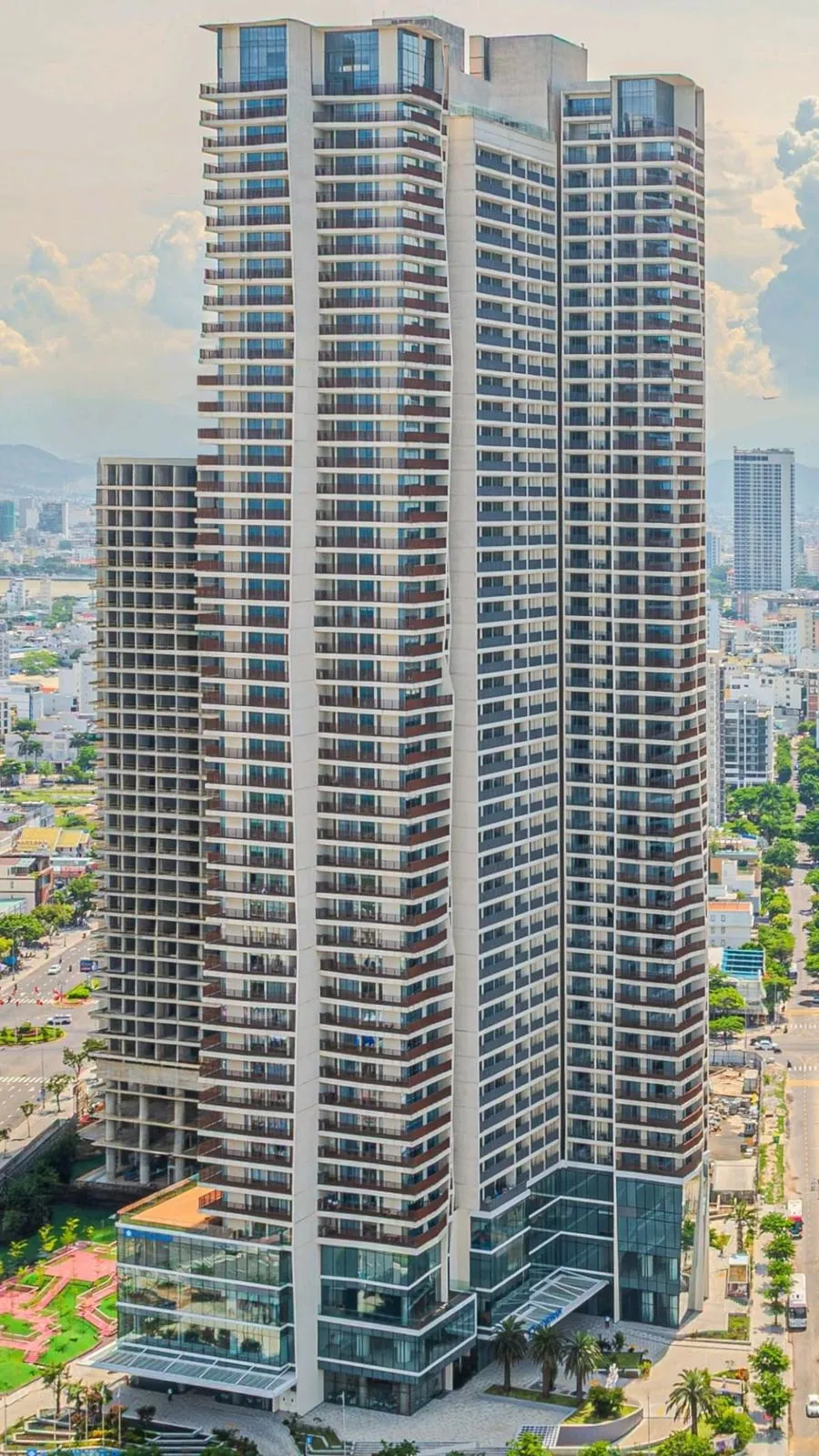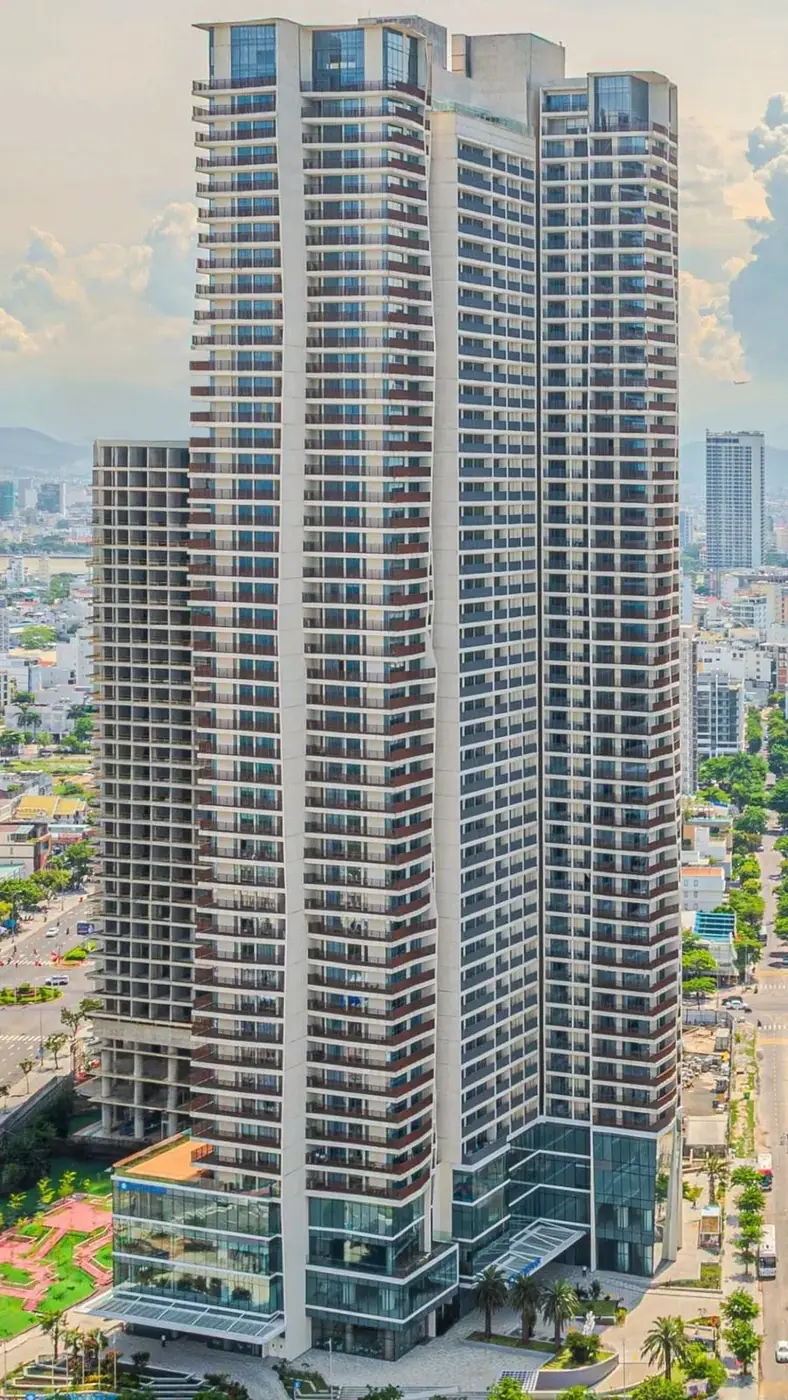
Foreigners can buy an apartment in Da Nang for $1,500-3,500 per square meter, directly from the developer, with any valid visa - even a tourist one. The catch: ownership is capped at 50 years, renewable, and it has zero effect on your visa status.
Can foreigners actually own property in Da Nang?
Yes, since Vietnam’s 2015 housing law reform opened the market to foreigners. You can buy an apartment, villa, or townhouse from a developer on the primary market - land itself stays off-limits to foreign buyers. Quotas apply: foreigners can hold no more than 30% of units in a single apartment building, and no more than 10% of villas or townhouses in one project. Across a district, the total cap sits at 250 houses for all foreign owners combined.
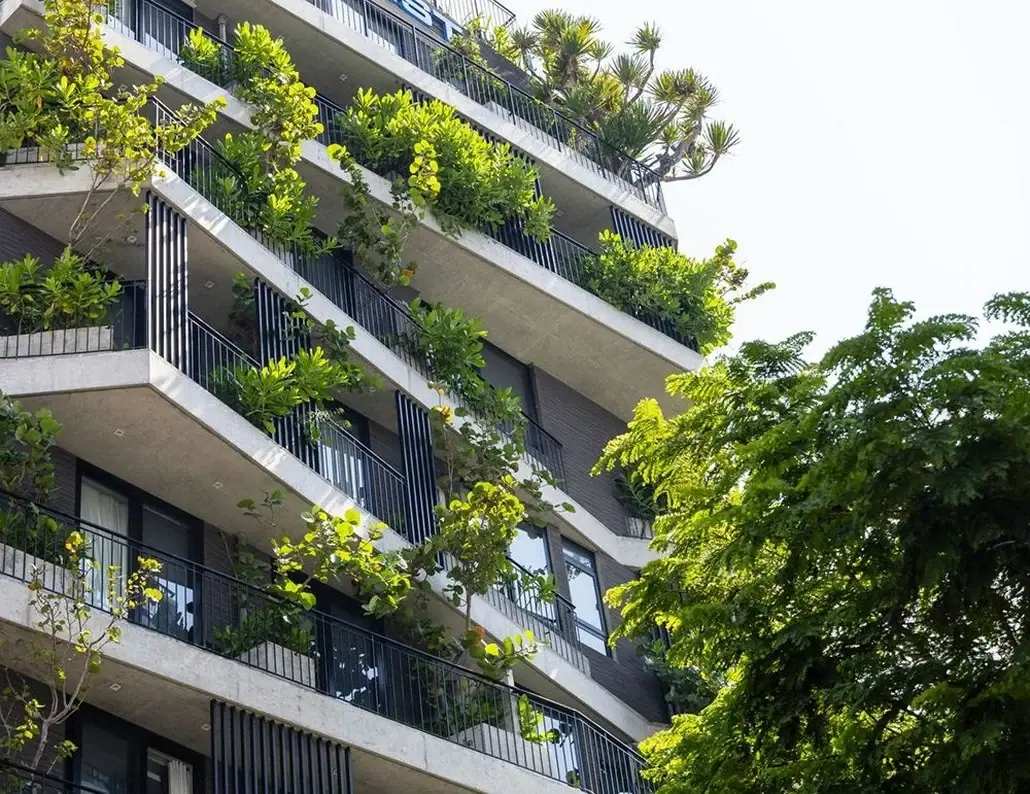
The secondary market is harder to access. You can only buy from another foreigner, through a Vietnamese legal entity, or with a lawyer handling the transaction - most first-time buyers stick to new developments instead.
How much does an apartment in Da Nang cost?
A resort-zone unit in Da Nang, Nha Trang, or Phu Quoc runs $1,500-3,500 per square meter as of 2026 - noticeably cheaper than Hanoi or Ho Chi Minh City, where the same square meter costs $2,000-4,000. A 50 m² one-bedroom in Da Nang lands somewhere around $100,000-175,000 depending on the building and floor.
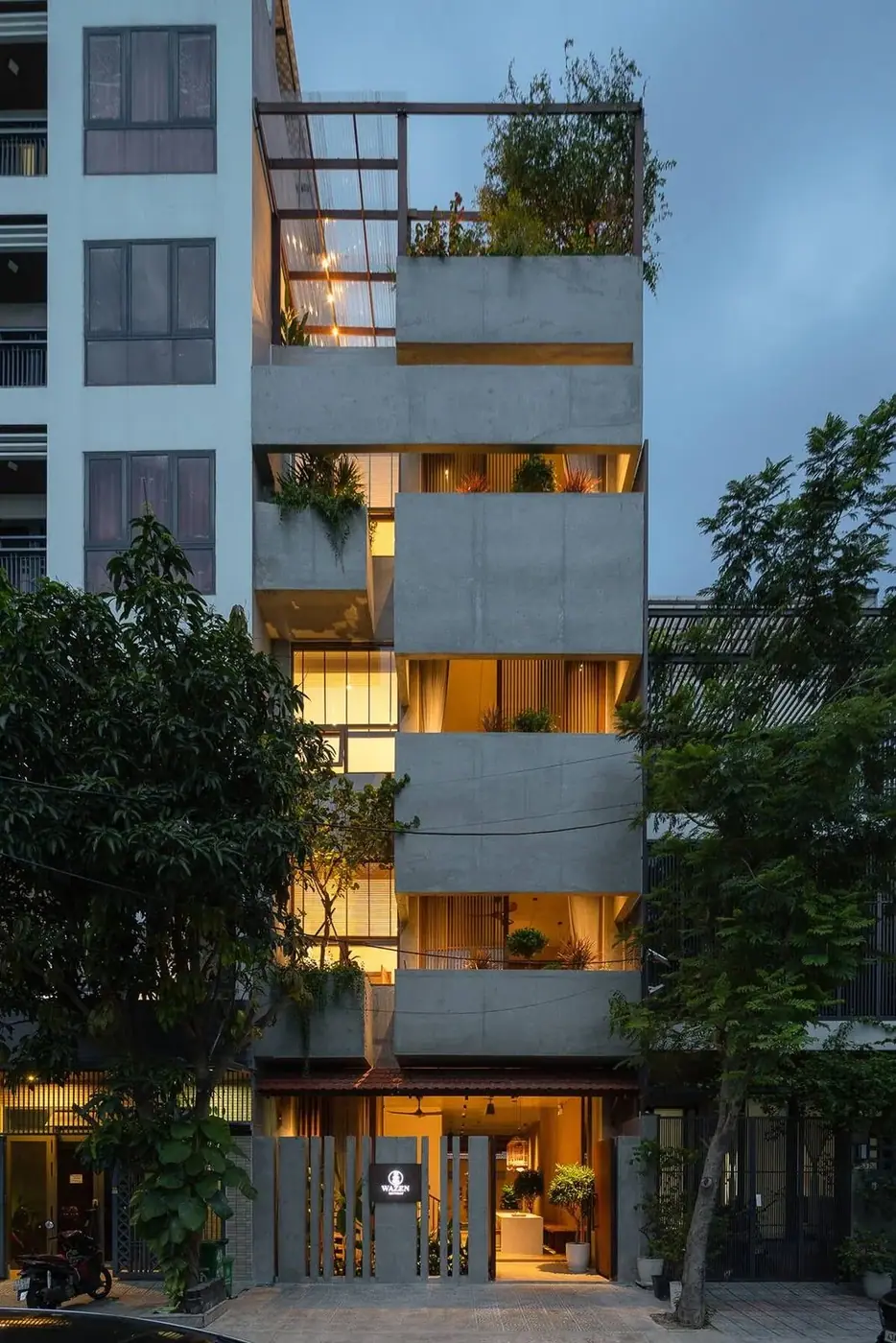
Rental yields tell a different story than the sale price. In the two megacities, annual rental income sits at a modest 2-6%, while property value climbs 8-50% a year on urbanization pressure. In Da Nang’s resort zone, rental income swings hard with tourist season - a strong high season can pay well, but the same unit can sit empty and earn nothing for months. I mention this because I’ve had clients treat a beach apartment as a set income stream, and it isn’t one. Price also depends heavily on the district - I’ve written a separate breakdown of where expats actually live in Da Nang if you’re still picking an area.
Does buying property give you a visa or residency?
No - property ownership in Da Nang has no effect on your visa or residency status. You keep whatever visa you entered on, whether that’s a tourist stamp or a 90-day e‑visa. Residency through investment is a separate track: a DT3 investment visa, which requires at least $120,000 in registered capital through a Vietnamese company. A lower DT4 category, for capital under $120,000, only grants a one-year visa with no path to a residence card - the two tiers get mixed up constantly.

How to buy: step by step
The path from picking a unit to holding the Pink Book runs through six stages, and the payment schedule is where most buyers lose track.
- Pick a unit from a licensed developer, checking it’s still under the 30%/10% foreign ownership quota.
- Pay a reservation deposit, which locks the unit into a preliminary contract.
- Wire the funds - a bank transfer from abroad, or through an agency if that’s easier to coordinate.
- Sign the Sale and Purchase Agreement, notarized and registered by the developer.
- Follow the payment schedule: around 30% at deposit, up to 70% during construction with a local developer (50% with a foreign one), 95% at handover, and the final 5% once you receive the Pink Book. Late payments carry a 1.5% monthly penalty.
- Receive the Pink Book - the ownership document for apartments - which can take anywhere from 6 months to 2 years on a new development, or 2-3 months on a resale.
Do I need extra paperwork as a foreign buyer?
Just a valid passport with any visa type - no work permit or residence card required. Some developers ask Russian buyers specifically for documents confirming they aren’t on a sanctions list; this comes up at the reservation stage, not after you’ve already paid a deposit.
This is where I usually get a message from clients: they’ve just wired a deposit, and their current visa runs out in three weeks. Sorting the visa side while the property paperwork grinds through is literally what I do - pickup in Da Nang, an extension or a Laos border run, and a fresh e‑visa the same day if a run is what you need. All I need from your side is your passport page and the dates your current visa expires.
Buying vs renting in Da Nang: what to choose
Buy if you plan to keep the unit for years and can absorb an unpredictable rental market in the off season; rent if you’re testing Da Nang before committing, since renting sidesteps the 50-year cap, the quota math, and the paperwork timeline entirely. Either way, the property decision and your visa decision run on separate tracks - settle the visa first so you’re not juggling both bureaucracies against the same deadline. If you’d rather have someone handle that part, message me on Telegram - I’ll tell you what’s realistic to get done this week.