A foreigner can sign a car purchase in Vietnam on any visa, but cannot register the car in their own name without a residence document. The price tag is the second surprise, because expats on Expat.com describe cars here as far dearer than at home. What matters most is the residence paper, and that is where most plans stall.
Can a foreigner buy and register a car in Vietnam?
Yes to signing and paying, and registration depends on your residence status. A forum poster who cited a 2014 police circular says a foreigner outside diplomatic missions must show a work permit, a temporary residence card (TRC) of one year or more, or a letter of introduction from a Vietnamese organisation. Without a document that lets you stay longer than a tourist, the car cannot go in your name.

That circular has been revised since, so treat the list as a starting point and confirm it with the registration office before you pay a deposit. The practical effect has not changed: a visitor on a visa exemption or an e‑visa can pay for a car but cannot register it. The routes to a one-year card are laid out in the Vietnam long-stay visa guide.
How much does a car cost in Vietnam?
Forum posters put a used car at $4,000 at the very least and a new four-seater at about $17,000. Those figures are old, so check a dealer’s current list before you budget. One expat compared Vietnamese used-car prices with Australia and called them outrageous. Another said he could buy a new car in India for the price of a motorbike here.
The market is built around two wheels. A poster quoted 37 million motorbikes against 1.6 million cars as of 2013, and cars outside taxis and tour companies belong mostly to wealthy households and firms. If you are weighing a bike instead, the guide to buying or renting a motorbike has the numbers.
Step-by-step: how to buy and register a car as a foreigner
- Check your residence document. You need a work permit or a TRC of a year or more, or a letter from a Vietnamese organisation.
- Sort out your licence. The rules for foreigners are in the Vietnam driving licence guide.
- Pick new or used. New means a dealer and a wait, used means an unknown history that several forum owners distrust.
- Put the exact model, colour, engine and gearbox in the contract, with a delivery date.
- Register the car at the traffic police and pay the registration fee, which depends on the car and the province. Ask whether the dealer handles the plate.
- Buy the compulsory liability insurance before you drive off.
Step 4 comes from a hard lesson. A Vung Tau buyer paid a small deposit on a new Hyundai i10, and the dealer ordered the wrong engine and gearing even though the contract listed the full configuration. Delivery was promised “tomorrow” for a month, and after five months he took the wrong car, an automatic his wife liked. A written specification gives you a claim, not a faster car, so the delivery date belongs in the contract too.
Step 1 is the slow one. While a work permit or a TRC is being arranged you still need a valid stay, and that means an e‑visa or a border exit. You can file the e‑visa yourself on evisa.gov.vn for a state fee of $25 for one entry or $50 for multiple entries. BestBus Vietnam, with offices in Da Nang and Nha Trang, files the 90-day e‑visa for you: it checks your data, completes the form, pays the fee by card and follows the application to the result, and its turnkey filing costs $55 for a week of processing or $110 for one day, on top of the state fee. The other options are listed under our visa services. To see which residence route fits your case, message me on WhatsApp with your current visa and city.
What does owning a car cost after the purchase?
Parking costs more than fuel or tolls. In Saigon you need a ground floor to park inside at night, which is the first problem. The second is stopping at every restaurant: you drop passengers, find a spot down the street, then run back for the car. Parking and traffic are far easier in Vung Tau, where one owner calls ownership almost hassle free.
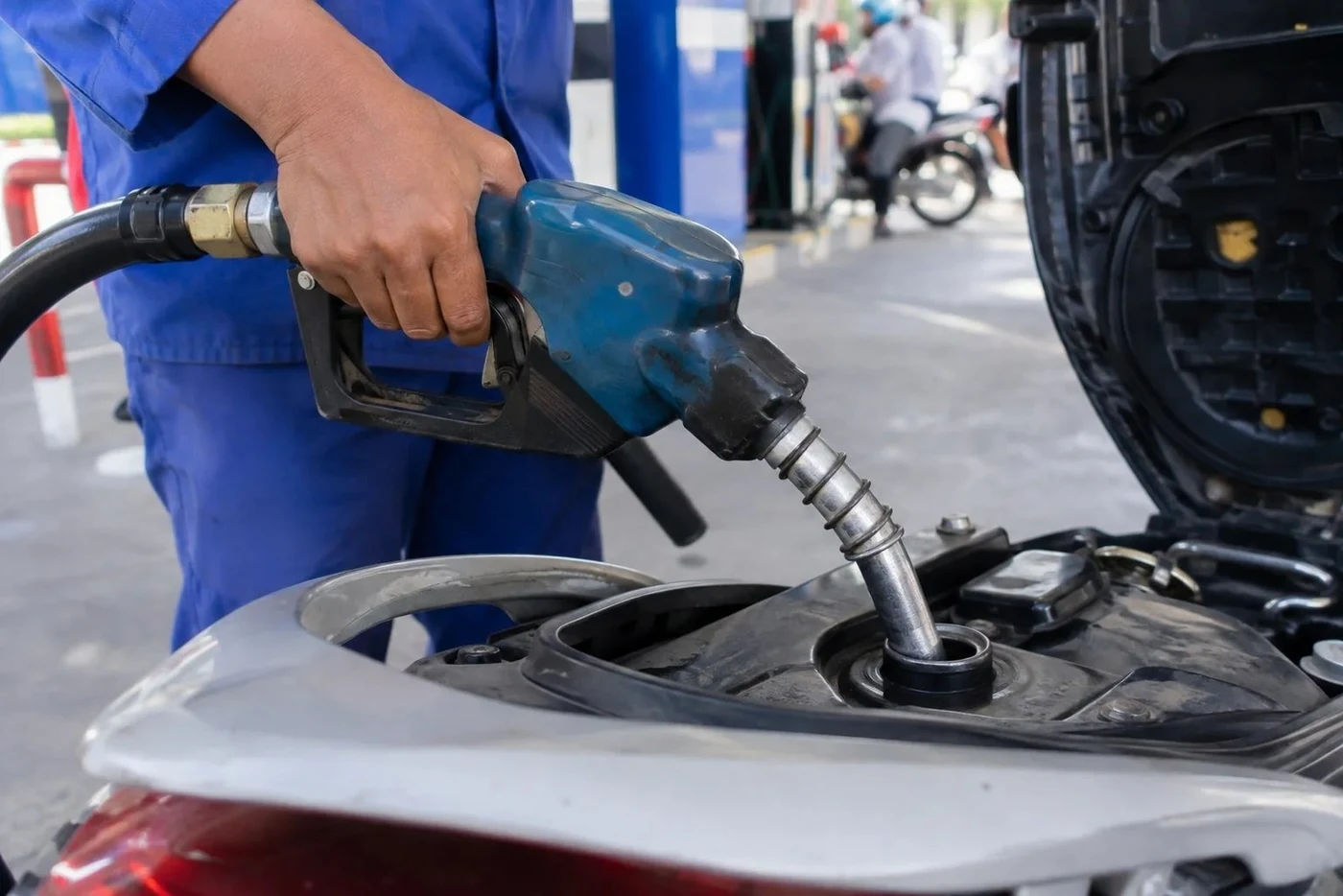
Running costs add up in small pieces: fuel, tolls and compulsory insurance. Older cars, according to one poster, need inspection every six months and more upkeep. Resale after a short stay is poor, and one buyer who expected to leave within two years skipped buying for exactly that reason.
When does a car lose to Grab?
For most city dwellers, ride-hailing wins. A Saigon resident with five people at home worked out that a car cost more than Grab even in a thunderstorm and surge hours, with no search for parking. He hired a car for trips to Vung Tau and Tet, and said it cost a small fraction of owning one. Fares and apps are compared in the guide to Grab, Xanh SM and Be.
Is a car with a driver better for road trips?
A hired car with a driver gives the comfort without the ownership list. One poster suggested a driver on retainer, who can also pick up a parcel or a meal. For long hauls, the comparison of a private car and a sleeper bus shows where each one wins.
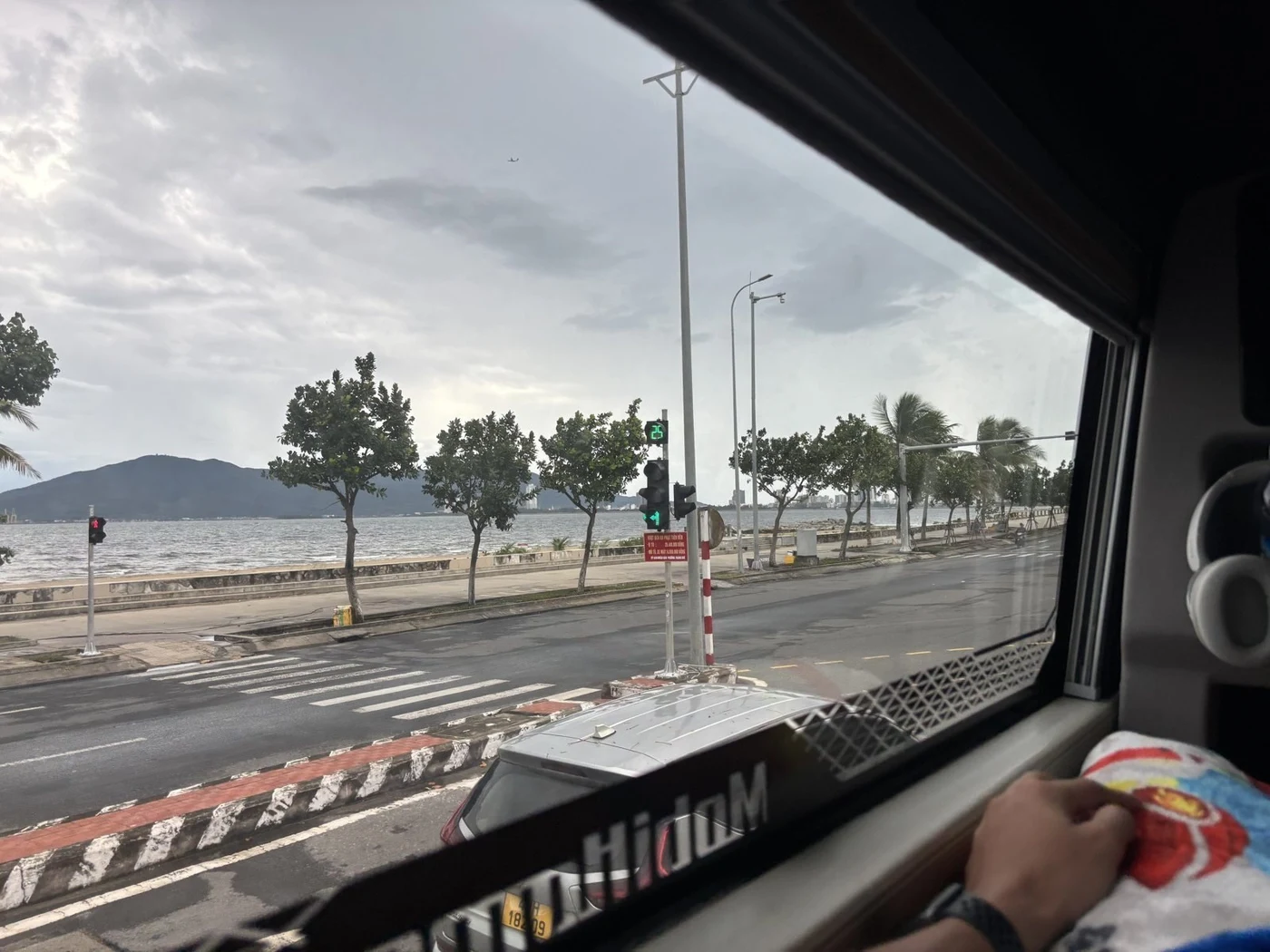
A car does win for families on regular weekly runs. One forum family keeps four eight-seat SUVs for constant trips along the QL51 road between Saigon and Vung Tau, and says owning is nearly a necessity.
My reading: in a big city take Grab, for road trips take a car with a driver, and buy your own only if you drive every week or live in a quiet town. Every route to your own car ends at a residence card, so the first job is the visa. If your current stay runs out before the card arrives, tell me the date it ends and we will work out the gap on WhatsApp.