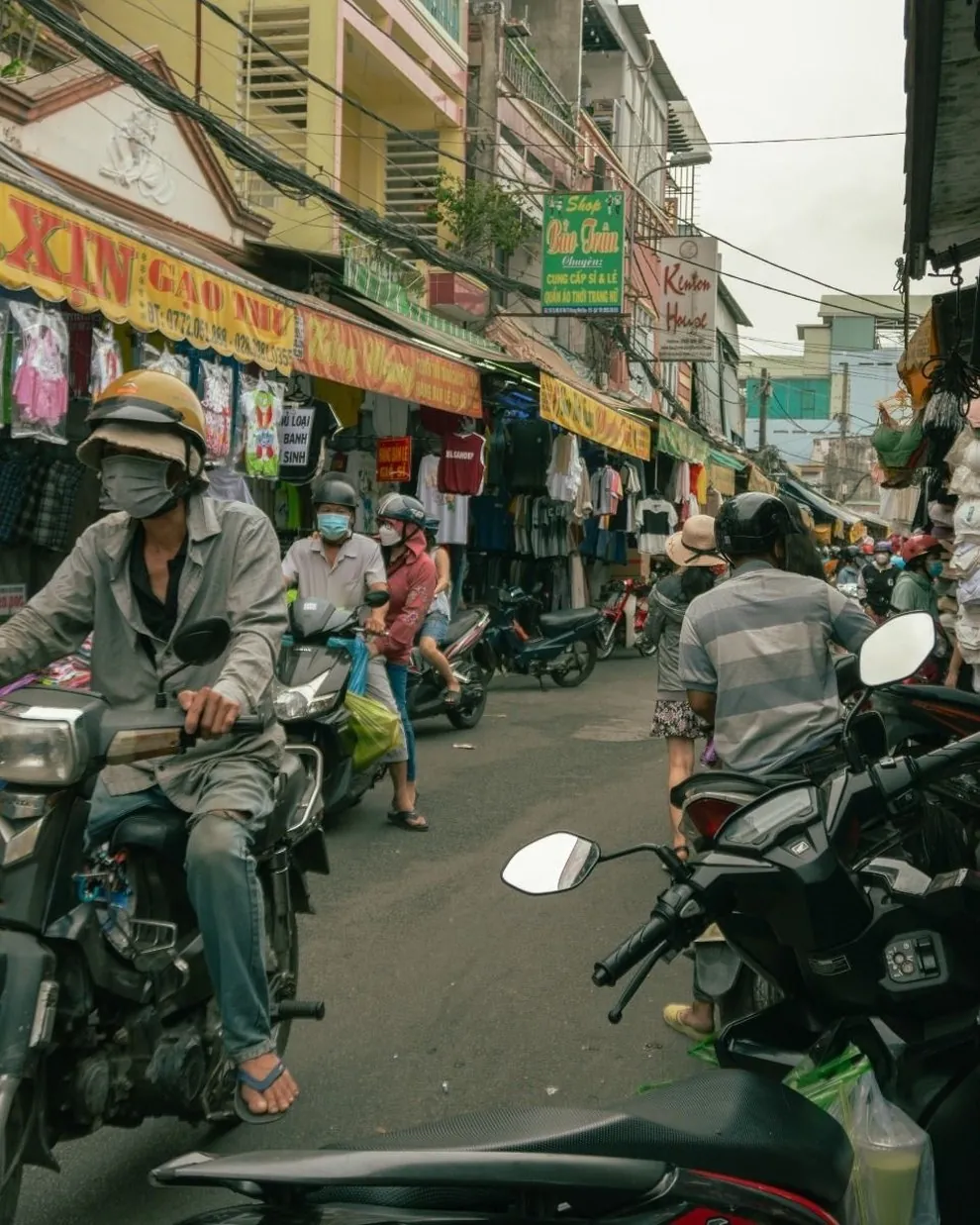
Buying a motorbike in Vietnam pays off in about 3-4 months of daily riding: a used 110-125cc scooter runs $150-300, versus $5-15 a day for a rental. If you’re staying under two or three months, renting still wins - the math only flips for longer stays.
I ran this calculation myself after watching three different long-stay friends make three different choices - one bought immediately, one rented for a year, one bought used and got burned by a bike with no real paperwork. Here’s the actual breakdown, not the tourist-blog version.
The real cost of buying vs. renting
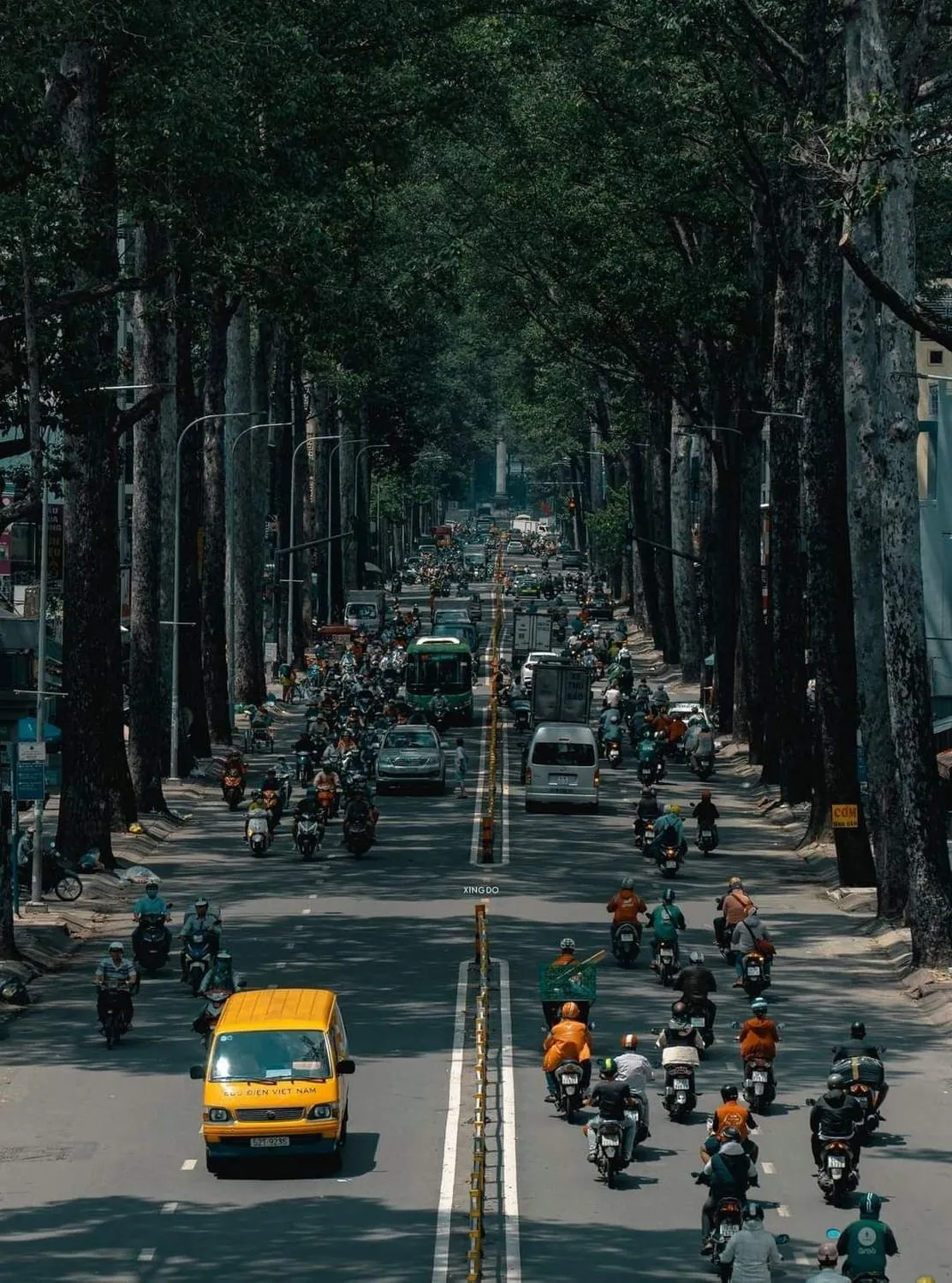
A used Yamaha Nuovo or Honda Wave from 2015-2019 costs $150-250 from a private seller, $250-400 from a dealer who guarantees clean paperwork. Add a one-time registration cost of roughly $30 and annual insurance around $30. Renting the same class of bike costs $5-15 a day depending on season and how long you commit to.
| Buy used | Rent | |
|---|---|---|
| Upfront cost | $150-400 | $0 |
| Monthly cost (30 days) | ~$10-15 (amortized) + $40-60 service every 2-3 months | $150-450 |
| Paperwork required | Blue card, 1-year+ visa/TRC, notary | None |
| Resale value after 2 years | ~60-70% of purchase price | N/A |
| Best for | Stays over 3 months | Stays under 3 months |
Break-even lands around month 3-4 once you factor in resale. Past that point, ownership is cheaper every additional month you stay.
Why the “blue card” matters more than the price tag
The blue card (Giấy Đăng Ký Xe) is Vietnam’s vehicle registration certificate - it lists the chassis number, engine number, plate, and the registered owner’s name. A huge share of bikes circulating in the backpacker and expat resale market get sold without one, or with a blue card that doesn’t match the seller’s name. Locals call these “grey market” bikes, and you cannot legally re-register one in your own name.

Riding an unregistered bike or one with a mismatched blue card is a real risk: traffic police can confiscate the bike on the spot, and the fine for an unregistered or fake-registered motorbike can reach 20 million VND - around $800, several times the bike’s own value. Before I paid, I had the seller’s blue card checked against the frame and engine numbers at a notary office.
The visa requirement nobody mentions in bike ads
Registering a bike in your own name as a foreigner generally requires a long-stay visa (a year or more) or a temporary residence card - a standard 90-day e-visa won’t get you through at the traffic police office. Foreign-owned bikes get “NN” plates (nước ngoài, meaning foreign), which spell out the owner’s country code right on the plate, so police can tell at a glance the bike belongs to a non-resident. Sorting that visa status out before a dealer will finalize a sale is exactly what our visa services are for.
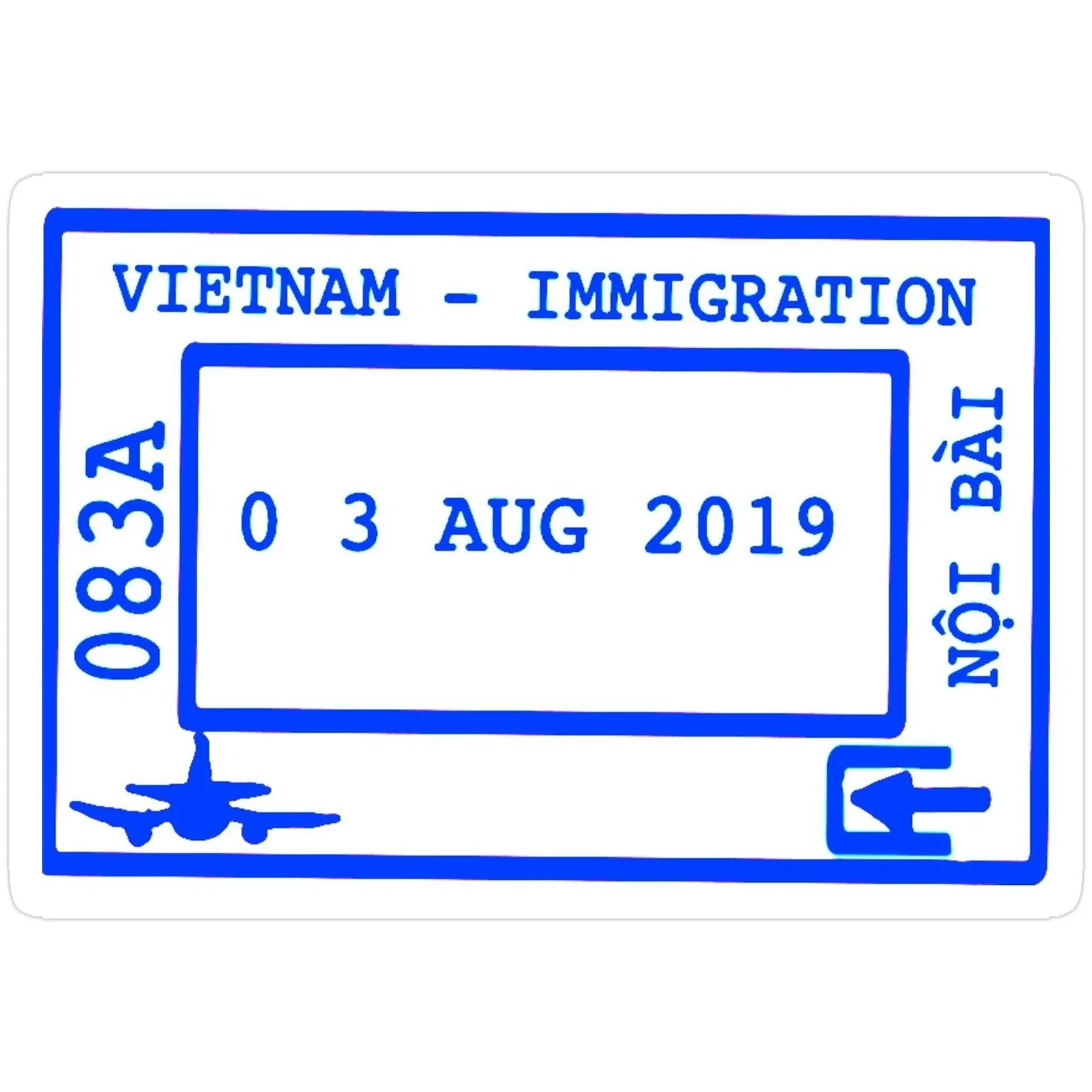
This is exactly where my own bike purchase stalled - no long-stay visa yet meant no registration, so I had to sort out an extension in parallel before the dealer would finalize the sale. That’s the part I actually handle for people day to day: I pay the government e-visa fee with a card evisa.gov.vn actually accepts, and get the whole visa side wrapped in a single day instead of a week of back and forth. If your bike purchase is stuck on the same visa question, message me on Telegram and I’ll walk through your specific dates.
Maintenance nobody budgets for
A full service (oil, brakes, filter, spark plugs) at a decent Da Nang mechanic runs $40-60, and I’d budget for one every 2-3 months of daily riding. Major repairs - transmission or engine work - start around $250, which is the point where the rent-vs-buy math briefly favors renting again: that’s nearly two months of rental for a single repair bill.
When renting still wins
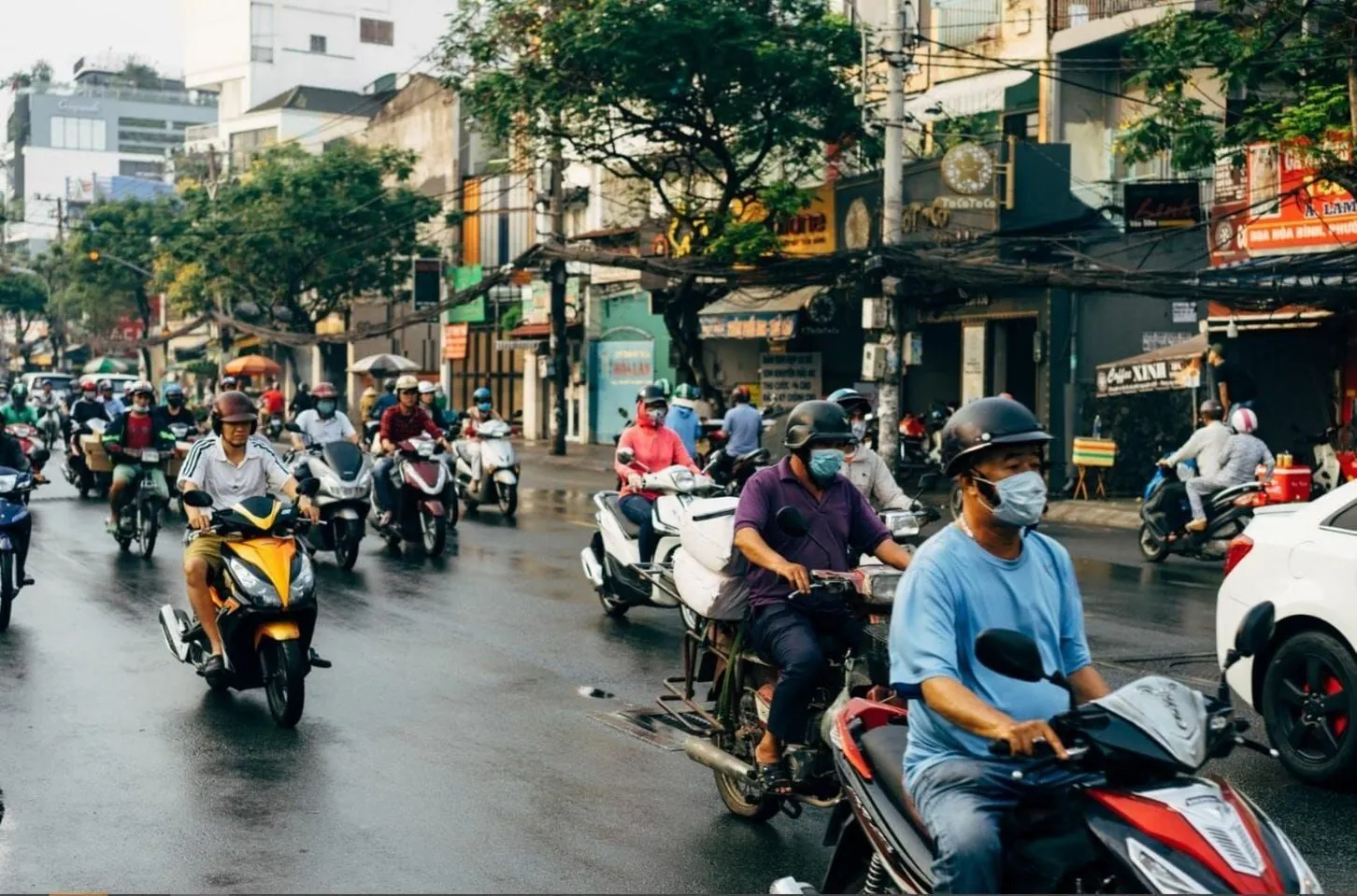
If you’re in the country under 2-3 months or bouncing between cities, renting is simpler - no blue card, no notary, no visa run to plan around, just a passport and a deposit. I’d rent again myself if I already knew my exit date was 60 days out; ownership doesn’t have time to pay for itself on that timeline.
Reselling is straightforward when you do buy: after two years of daily use, I sold mine through a local expat Facebook group for close to what I paid, since demand for a bike with a clean blue card among newly arrived expats is constant.
If buying is the right call for your timeline but the visa side is what’s holding up your bike purchase, danangvisarun.com has the details on longer-stay visas and visa runs, or just message me directly on Telegram with your dates.