A lot of “how to move to Vietnam” advice assumes you land with a signed contract and a work permit already stamped. That’s not how it usually goes. Real hiring - teaching jobs especially - runs on recruiters who find you a school first and file the paperwork after you’ve already flown out, because waiting in your home country burns more money than waiting in Vietnam does. Nobody budgets for that gap. Here’s what it actually costs, day by day, before your legal status catches up with you. If you’d rather someone else handle the visa side of that gap, there’s a shortcut further down.
Why the Gap Even Exists
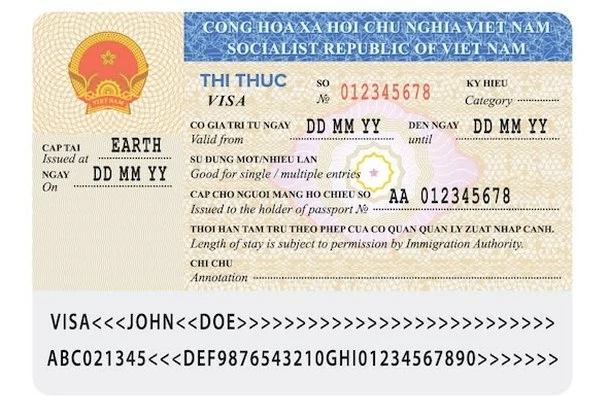
Recruiters for teaching jobs in Vietnam often confirm a role while you’re still packing, then need another few weeks to finish your work permit and the visa tied to it. Flying out before that clears is common, because rent and food in Vietnam are cheaper than sitting at home waiting - the airfare pays for itself fast. That means you land on a tourist basis first: many nationalities get a short visa-free window on arrival, others need a 90-day e‑visa filed in advance for about $25. Either way, you’re a tourist on paper while your actual job is still being processed.
What a Modest Room Actually Runs
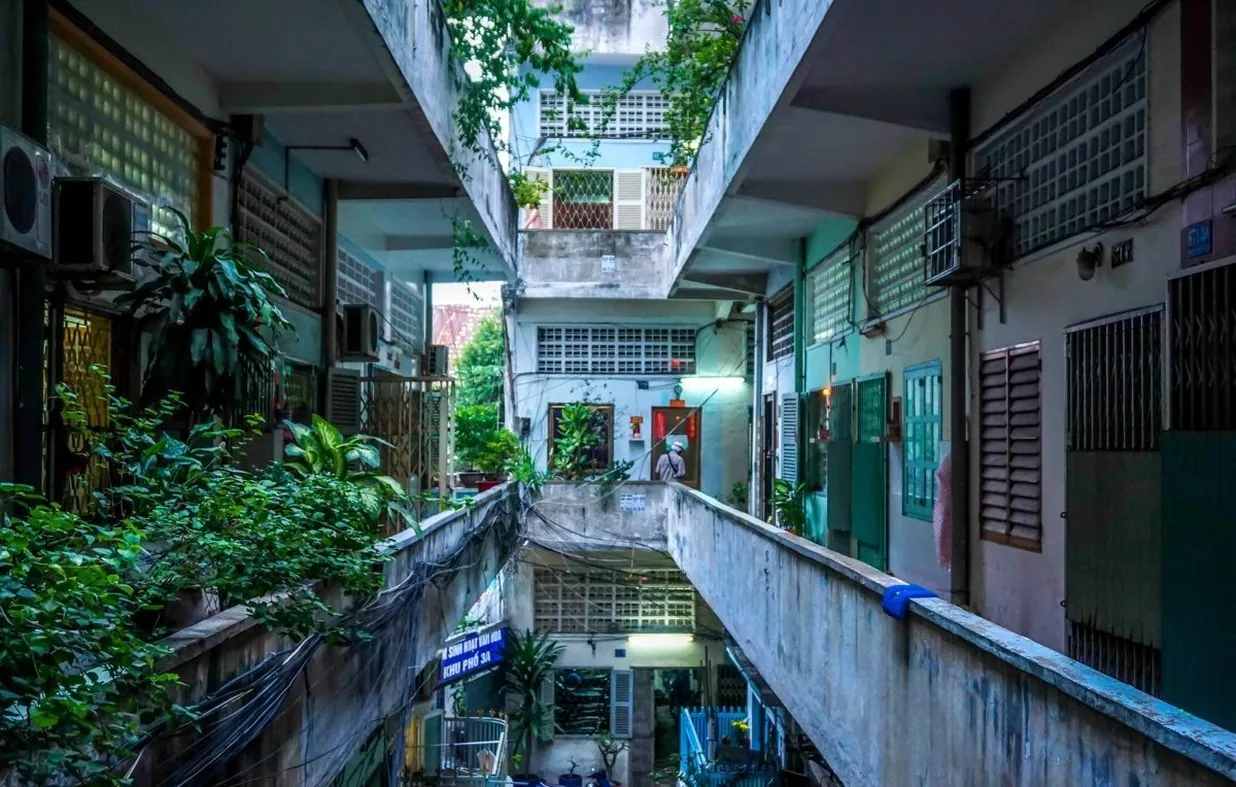
Skip the polished apartment listings - a small, clean hotel room on the edge of a big city runs roughly $125 for two weeks, air conditioning and a fan included, kitchen access if you ask the owner in advance. Don’t assume a window comes standard; plenty of budget rooms are windowless by default, and you may need to ask specifically. Laundry is usually separate and worth pricing before you agree to a room, since one shirt won’t survive half a day in the heat without a wash.
Getting Around Before You’ve Sorted a Bike License
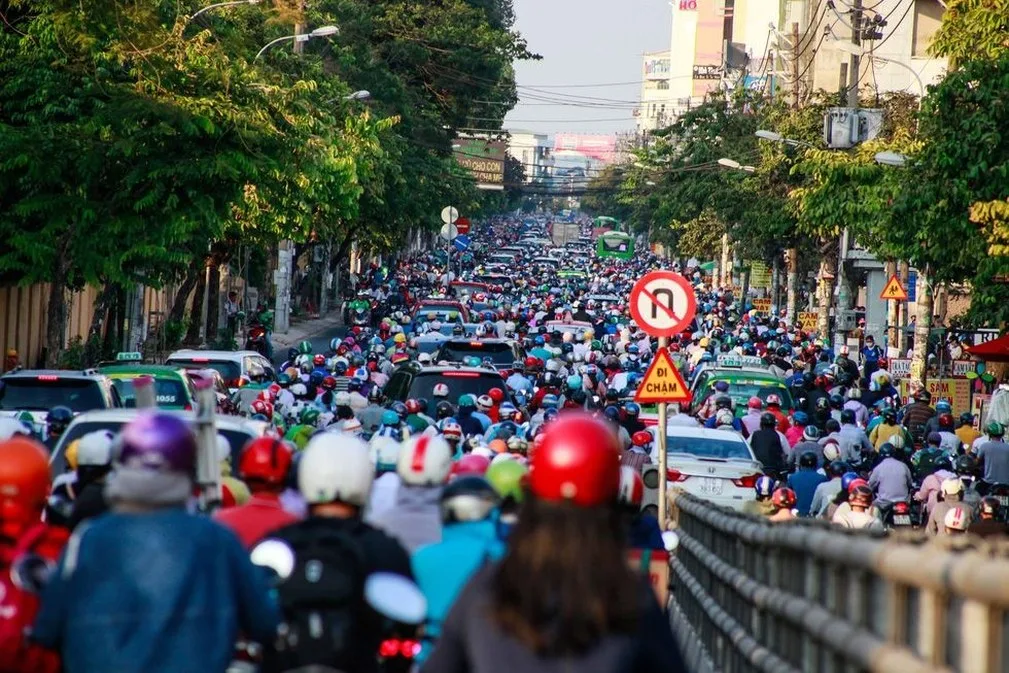
A 20-kilometer taxi ride runs about $12 - not cheap, and it adds up fast if it’s your only option. A motorbike taxi over the same distance is closer to $4. Foreigners need a motorcycle license to legally ride here (a moped-class license from home won’t satisfy local police), so if you haven’t sorted that yet, the city bus is the boring, reliable answer: tickets run around $0.28, buses have air conditioning, and they hold up better than a bike does in a downpour. The one catch is that routes on the outskirts often stop running by early evening, after which you’re back to taxi prices.
Feeding Yourself Without Reading the Menu
Little roadside kitchens outside the tourist center rarely have English menus or English-speaking staff - translation apps help less than you’d expect, and typing the dish name into a search engine works better. Budget around $6 a day if you’re leaning on fruit and one real meal, which is realistic here since fresh fruit is genuinely cheap and available everywhere: two smoothies plus a plate of mixed fruit runs $3-6 total. It’s a workable diet while you’re still figuring out where the actually good food is, which - by most first-week accounts - takes longer than a week.

The Line Item People Forget: Your Own Legal Status
Here’s the part the budget spreadsheets skip. While your work permit is in process, your legal basis to even be here is that tourist entry - and it has an expiry date that doesn’t care how your paperwork is going. If your visa-free window or e‑visa runs out before the work permit lands, you either extend, do a short border run to reset the clock, or risk overstaying, which turns a paperwork delay into a fine and a mark on your record. The other snag: the official e‑visa portal frequently declines foreign-issued cards, so people sit there with the $25 fee ready and no way to actually pay it.
This is the exact gap I handle for people day to day: I pay the government fee with a card the portal accepts, fill in the application correctly, and set the right entry point for wherever you’re actually crossing, so the bridge visa is sorted in a day instead of stalling for a week. You keep your attention on the job offer and the move itself. Message me on Telegram with your travel dates and I’ll tell you exactly which bridge option fits your timeline.
So What Should You Actually Set Aside?
Add it up and a lean first month - room, transport, food, one bridge visa - lands close to $450-500 for a single person, before the work permit and the real apartment search even start. That’s tighter than most relocation guides admit, and it assumes you’re comfortable with a windowless room and bus schedules that stop early. If your paperwork looks like it’ll clear faster or your employer is covering the work permit itself, the calculation shifts - our breakdown of Vietnam’s long-stay visa paths walks through what happens once the permit actually lands and you move off tourist status for good.
Whatever your gap looks like - two weeks or two months - the bridge visa is the one piece that has a hard deadline regardless of how your job paperwork is moving. Send me your entry date on Telegram and I’ll tell you the safest day to file so you’re never crossing a deadline blind.