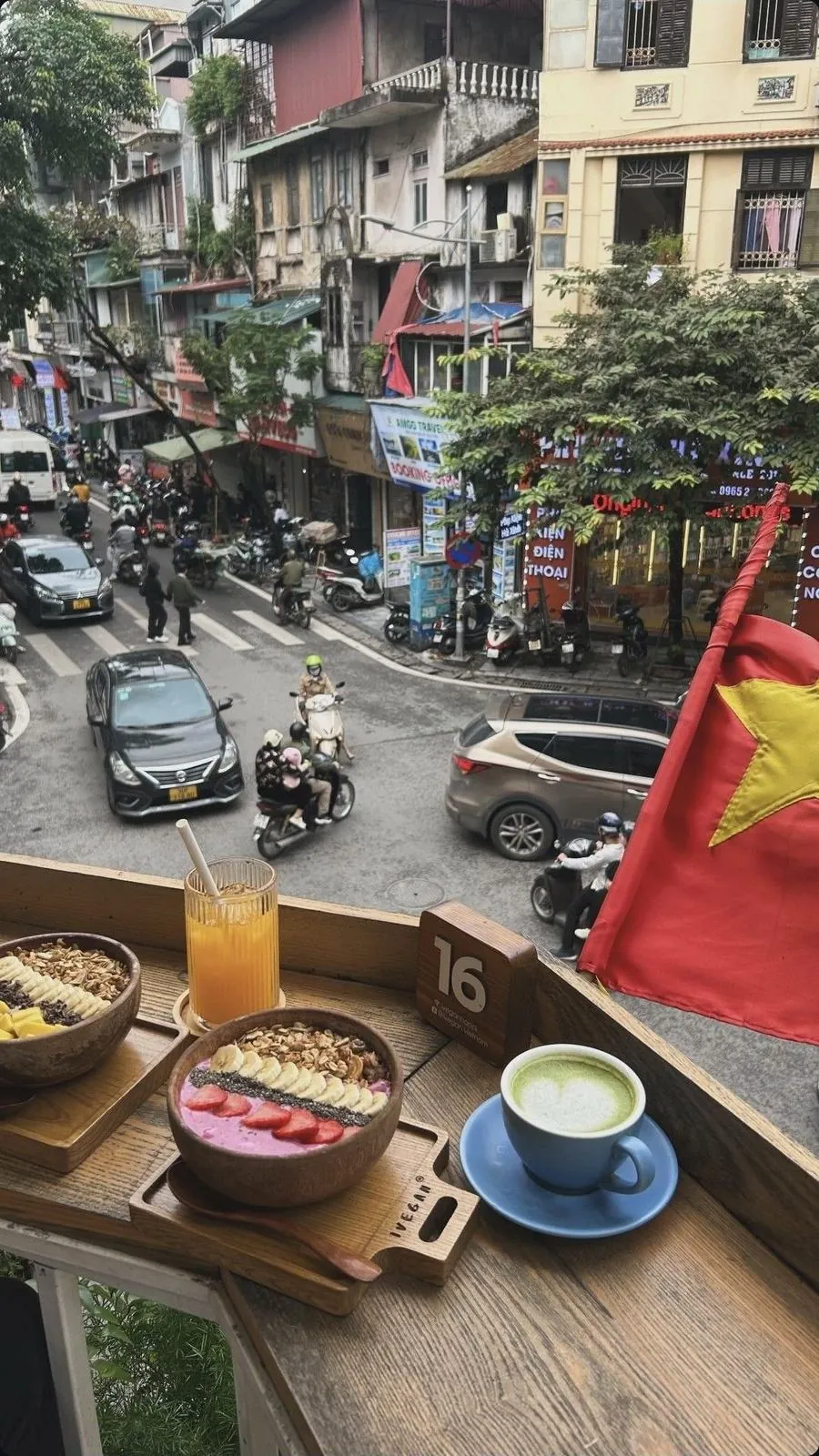
Da Nang is the strongest long-term base in Vietnam for most people. It has the fastest 5G in the country, a JCI-accredited hospital, and the largest expat community in central Vietnam; Nomad List has ranked it in the global top 20 for three years running. Hoi An gives you the same regional infrastructure at a slower pace and a lower rent. Dalat trades the beach for a cool, spring-like climate that almost nowhere else in Vietnam has. Sapa is stunning to visit, and genuinely hard to live in past a few weeks.
If the visa side of staying long-term ever gets confusing, there’s a same-day way to sort it — the rundown is on our visa services page. I’ll get to that below.
I’ve lived in Da Nang and Hoi An for four years. I’ve also spent enough time in Dalat and Sapa, and talked to enough people who tried living there, to know which claims about them online don’t hold up. None of these four places paid for a spot on this list, including the one I live in.
Quick comparison: Da Nang vs Hoi An vs Dalat vs Sapa
| City | Best for | 1BR rent (center) | Climate | Nearest airport |
|---|---|---|---|---|
| Da Nang | Infrastructure, community, healthcare | $500-540/mo | Tropical, dry Feb-Jul, typhoons Oct-Dec | Own airport (DAD) |
| Hoi An | Slower pace at lower cost | $350-410/mo | Tropical, flood risk Sep-Nov | Da Nang, 30-45 min |
| Dalat | Cool climate on a budget | $241-575/mo (thin data) | 12-25°C year-round, no frost | Lien Khuong - closed Mar 4-Aug 25, 2026 |
| Sapa | Hiking and mountain views, short stays | $635+/mo | Mountain, frost and occasional snow in winter | Hanoi, 290km / 3.5-5.5h |
1. Da Nang - the biggest expat hub in central Vietnam
Da Nang is home to roughly 1.3 million people and the largest concentration of long-term foreigners in central Vietnam, with a combined “Da Nang & Hoi An Expats” Facebook group over 60,000 members. A one-bedroom apartment in the center runs $500-540/month, or $325-340 outside it, and a comfortable single-person budget lands between $800 and $1,500/month depending on lifestyle.
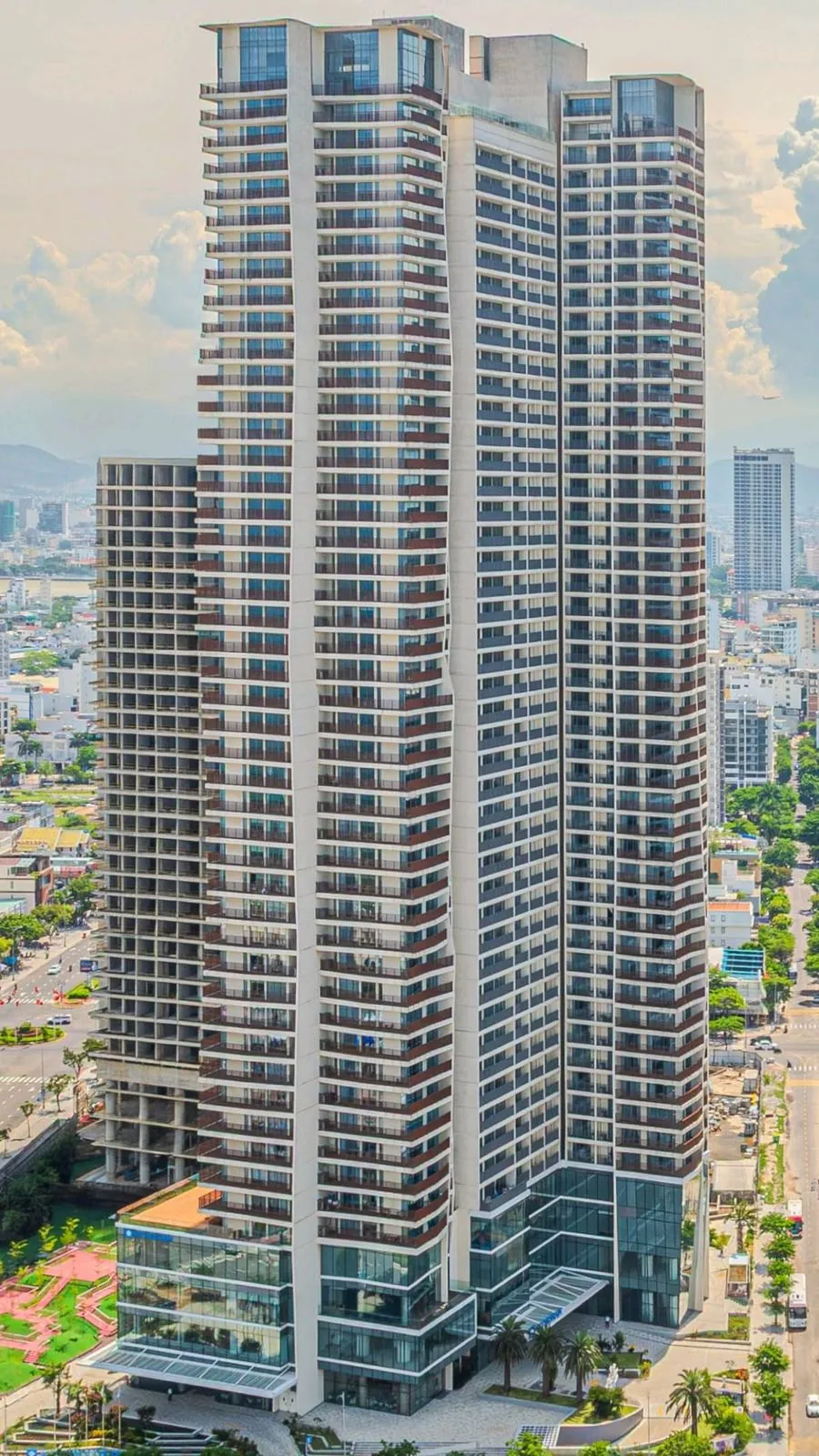
What sold me on staying four years: you can walk the beach promenade for hours in one direction. Sea, sand, pull-up bars the whole way. The city still has a real museum scene, a climbing gym, cinemas, and parks big enough to actually run in, which not every Vietnamese city has. Vinmec International Hospital is JCI-accredited with multilingual staff, and Da Nang International Airport (DAD) flies to roughly 31 international destinations on 41 airlines, so getting in and out doesn’t require a detour through Hanoi or Ho Chi Minh City. The tradeoff: rents have climbed since the 2025 nomad influx, and typhoon season (October-December) brings real disruption, not just rain.
2. Hoi An - Da Nang’s quieter, cheaper twin
Hoi An is a UNESCO-listed town of roughly 120,000-150,000 people, 30-45 minutes from Da Nang’s airport and hospitals. Rent runs lower than Da Nang: $350-410/month for a center 1BR, and the pace is slower too. It’s cafés instead of coworking chains, An Bang Beach instead of a city beach strip.

That slower pace comes with real gaps. There’s no international-standard hospital in town, so anything beyond routine care means a drive to Da Nang. The Old Town floods seasonally between September and November, worse than Da Nang ever does. Overtourism is a genuine problem too: up to 10,000 visitors a day on peak weekends, per 2024 arrival figures. Long-term community is thinner as well, since most nomads here are on 3-month visa cycles, so friend groups turn over fast.
3. Dalat - cool weather, thin infrastructure
Dalat sits at roughly 1,500 meters elevation and holds a genuinely rare climate for Vietnam: 12-25°C year-round with no frost, which is why locals call it the “City of Eternal Spring.” It’s also the cheapest of the four. Studio rent runs as low as $241-575/month depending on the source, though cost data for Dalat is thin (Numbeo has only 12 data points for the whole city, so treat these as estimates, not fixed prices).

The catch is infrastructure. There’s no international school in Dalat; the nearest options are in Ho Chi Minh City (~300km) or Da Nang (~280km). Internet averages around 10 Mbps and is reported as unstable. And for 2026 specifically, Dalat’s own airport, Lien Khuong (DLI), is closed for runway upgrades from March 4 to roughly late August. That’s a detail most competing guides won’t have caught, since it only became public this year.
4. Sapa - beautiful to visit, hard to actually live in
Sapa’s core town is small: about 9,000 people in the walkable center, up to 82,000 across the wider township. It’s the only place in Vietnam with regular winter frost and occasional snow (record low: -3.0°C), which is exactly why hikers love it and long-stayers struggle with it.
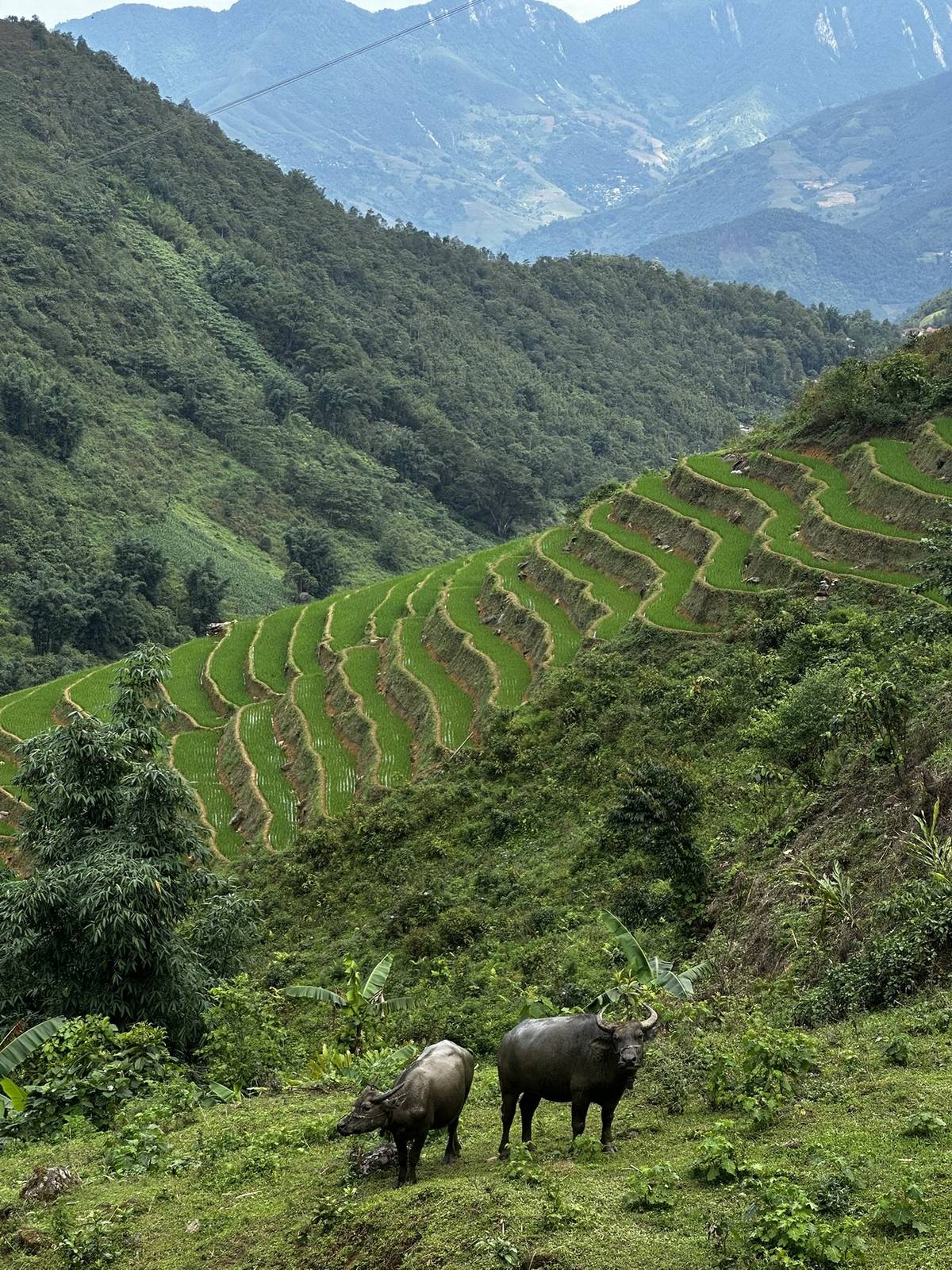
It’s also, surprisingly, the most expensive of the four. Studio rent averages $635/month, over double Dalat’s, because there’s essentially no long-term rental supply and everything is priced for tourists. Healthcare is the real limiter: the only local facility is Sa Pa District General Hospital for minor issues, with serious cases transferred 38km to Lao Cai City. There’s no dedicated coworking space, no confirmed expat cluster, and the average visitor stays just 3 days. I’d genuinely consider living here for the mountains alone, but I wouldn’t recommend it past a few months without a strong reason.
How Do You Choose Where to Live in Vietnam Long-Term?
Four questions settle it faster than any ranking:
- Do you need reliable coworking and fast internet, or can you work from cafés? Da Nang and Hoi An have real fiber and named coworking spaces; Dalat and Sapa don’t.
- How much do you value climate over convenience? Only Dalat and Sapa escape Vietnam’s heat and humidity; everywhere else trades that for infrastructure.
- How close do you need to be to real healthcare? Da Nang has JCI-accredited hospitals; Hoi An, Dalat, and Sapa all require a transfer for anything serious. Wherever you land, sort cover before you need it — here’s the rundown on the best health insurance for expats in Vietnam.
- How are you handling your visa? Most long-stayers now run on Vietnam’s 90-day multiple-entry e-visa rather than physical border runs. The e-visa itself can’t be extended from inside the country, so every long-stayer eventually deals with a visa reset.
That visa reset is the part most long-stayers keep pushing off until it’s suddenly urgent. I handle the e-visa and the border side of it so you’re not rebuilding the whole thing from scratch every 90 days — message me on Telegram and I’ll map out the fastest reset for how long you’re actually planning to stay.
Frequently asked questions
Is Da Nang or Hoi An better for expats?
Da Nang wins on infrastructure, healthcare, and community size; it’s the region’s hub. Hoi An wins on cost and pace if you don’t need a large expat network or a hospital nearby.
How much does it cost to live in Vietnam long-term as a digital nomad?
Realistically $700-1,500/month for Da Nang or Hoi An, and potentially under $700/month in Dalat, though Dalat’s cost data is thinner than the other three cities.
Do I need a visa run if I live in Vietnam long-term?
Not in the classic border-hop sense. Vietnam’s multiple-entry e-visa lets you exit and re-enter freely for 90 days. A “run” only becomes necessary once those 90 days expire, since the e-visa can’t be renewed from inside the country.
Is Dalat good for long-term living or just a short visit?
It’s genuinely livable for the climate and the price, but 2026 has a specific complication: Lien Khuong Airport is closed for runway work from March 4 to late August, which affects flight-based access for most of the year.
What’s the cheapest city to live in Vietnam long-term: Da Nang, Hoi An, Dalat, or Sapa?
Dalat, based on available data, though the sample size behind that number is small. Counterintuitively, Sapa is the most expensive of the four despite being the smallest and most remote, since there’s simply no long-term rental supply there.
Is Sapa suitable for remote work, or only for short trips?
Only for short trips, realistically. Internet is inconsistent, there’s no dedicated coworking space, and the average visitor stays three days. The town’s economy is built around tourism, not long-term residents.
Where to go from here
None of this changes the fact that everyone on a long stay in Vietnam eventually hits the same wall: the visa. My e-visa runs out, or someone’s TRC application stalls, or a bank wants a piece of paper nobody explained. See our relocation guide for the rest of what settling in involves — taxes, banking, insurance and work. If you’d rather not figure that part out alone:
- Best Bus: danangvisarun.com - book your visa run, e-visa or transfer directly on the site.
- Telegram @learnx1000 - message me for visa, e-visa and visa-run help.