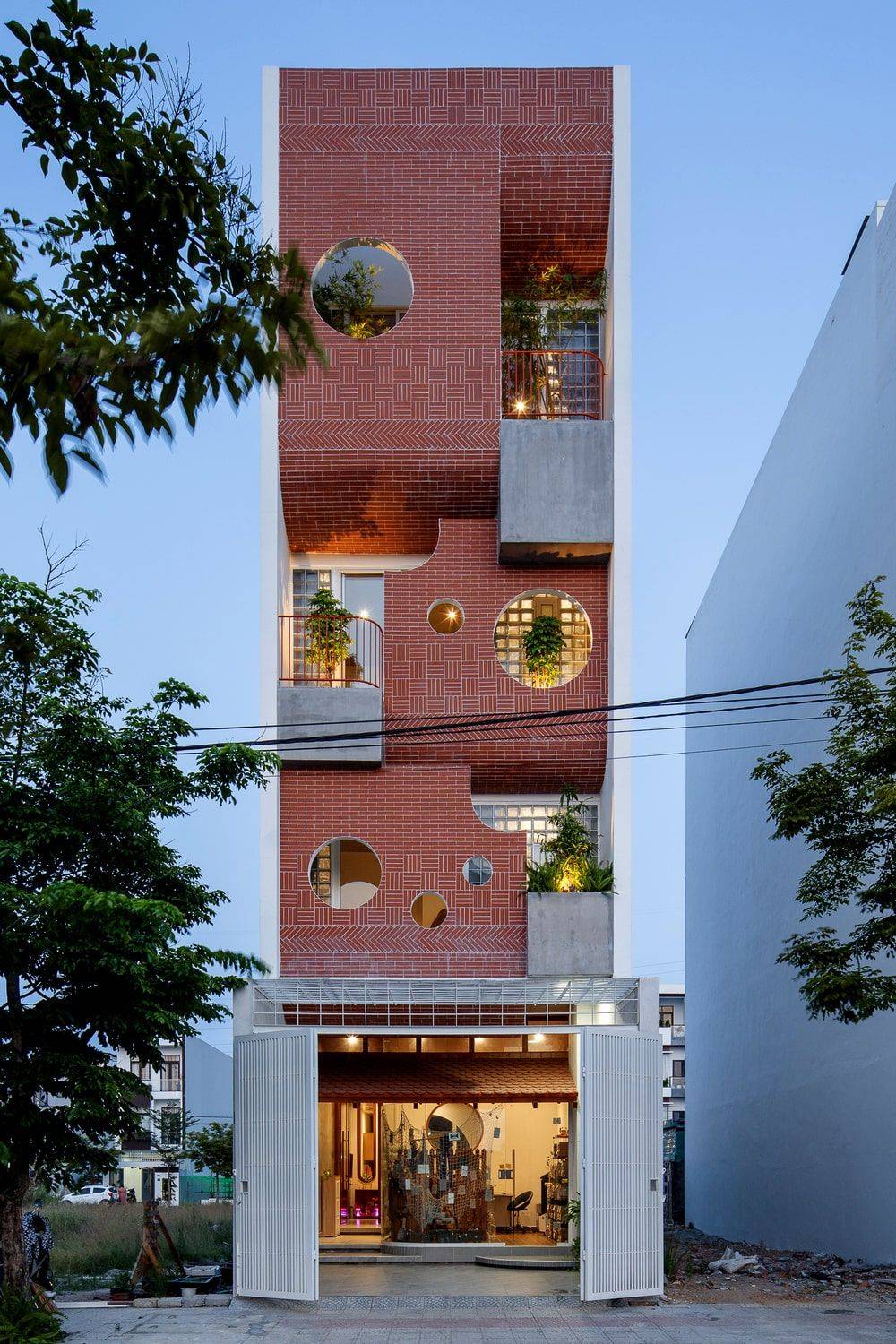
An Thuong and My An are the priciest square meters in Da Nang for foreigners, Hai Chau is the cheapest and closest to zero markup, and Son Tra sits in between with newer sea-view towers that quietly cost more than their “10-20% cheaper” reputation suggests. I’ve lived in Da Nang for over four years, helped a steady stream of clients through visa runs and long-stay paperwork, and watched almost every one of them get quoted a different number than the Vietnamese neighbor renting the identical unit next door.
That gap between what a Vietnamese renter pays and what a foreigner gets quoted for the same apartment is the real story in 2026, and it’s the one number most “best neighborhoods” lists skip - including our own city-wide rent breakdown, which covers Da Nang only at the citywide average. Below is what I’ve verified district by district, plus what’s still genuinely unclear even after checking multiple sources.
Da Nang Neighborhoods at a Glance
| Neighborhood | Vibe | Foreigner 1BR Rent | Best For | Beach Distance |
|---|---|---|---|---|
| An Thuong | Nomad/social hub, dense cafes | $530-760/mo | Digital nomads, short-to-mid stays | On the beach |
| My Khe | Family beach strip, villas | Overlaps An Thuong, +5-8% Q4 2025 | Families wanting space | On the beach |
| My An | Quieter side streets off An Thuong | $530-760/mo | Nomads who want less noise | Beach-adjacent |
| Son Tra | Newer towers, across the river | $379-568/mo | Long-termers, Korean expat community | 10-15 min to center |
| Hai Chau | City center, local life | ~$400/mo (studio) | Urban living over beach life | Not on the beach |
1. An Thuong - Da Nang’s Digital Nomad and Social Hub
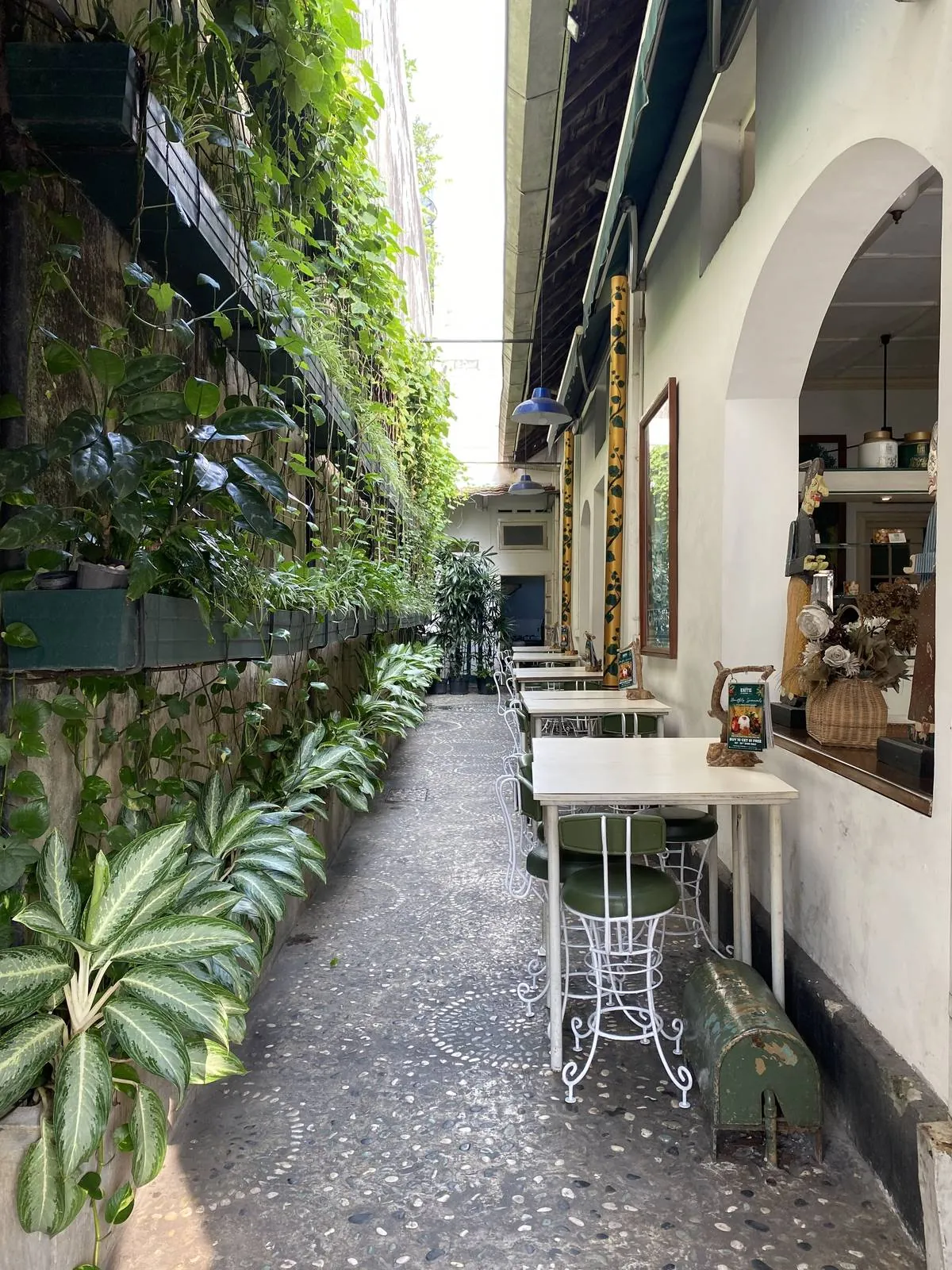
An Thuong is the densest cluster of coworking spaces, international cafes, and English-speaking gyms in Da Nang, and it’s also where the local-to-foreigner rent gap is widest. A furnished one-bedroom that a Vietnamese renter finds for 6-9 million VND ($230-340) a month gets quoted to foreigners at 14-19 million VND ($530-760) for the same layout.
Pros: walkable to the beach and every nomad amenity, biggest short-stay rental supply, easiest place to meet other expats within a week of arriving. Cons: the widest foreigner markup of any district, rents climbed 4-6% quarter-on-quarter through Q4 2025, and nightlife noise from bars and karaoke spots is a common complaint from anyone trying to sleep before 11pm.
2. My Khe - the Family-Friendly Beach Strip
My Khe runs along Vo Nguyen Giap street and trades An Thuong’s dense nightlife for villa compounds and larger, more spread-out apartment buildings. It’s five kilometers, about a five-minute, $4-5 taxi ride, from Da Nang International Airport.

Pros: quieter than An Thuong while still beachfront, more family-sized units and villas, close enough to the airport that arrivals and departures aren’t a production. Cons: beachfront units rose 5-8% quarter-on-quarter in Q4 2025 and nearby apartments 3-5%, so the “quieter” premium isn’t small, and the daytime crowd is heavier with tourists than An Thuong’s more residential side streets.
3. My An - An Thuong’s Quieter Next-Door
My An and An Thuong get used almost interchangeably by expats, and technically An Thuong just refers to the cross-streets inside My An ward. Practically, that means the same 2 to 2.5x local-versus-foreigner rent gap applies here, with foreigner-facing units running 14-19 million VND against a 6-9 million VND local baseline.
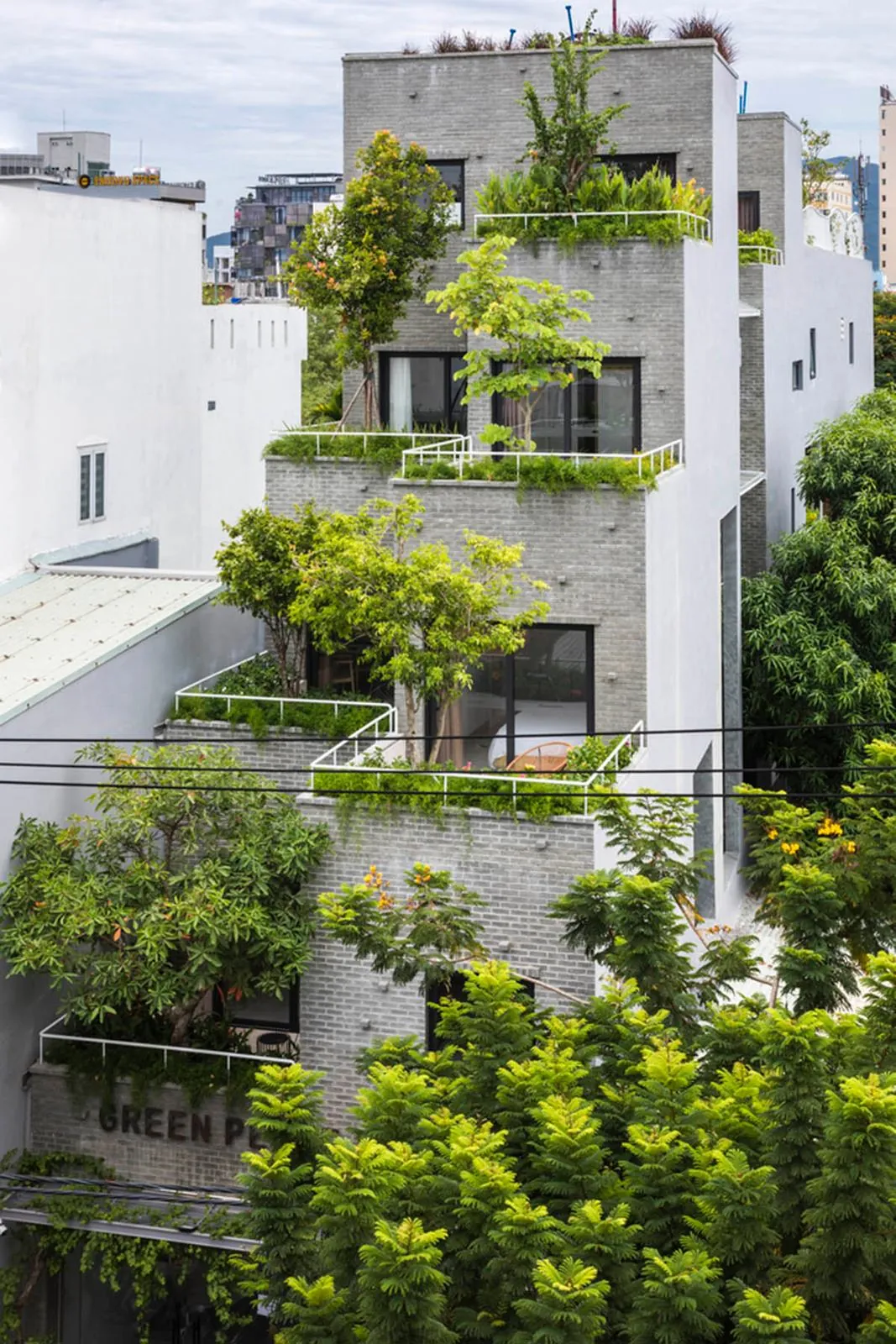
Pros: same access to An Thuong’s cafes and coworking without living directly on top of the loudest strip, both Ngu Hanh Son international schools (APU and Singapore International School) sit in this same cluster. Cons: the price gap doesn’t improve just because you’re a block over, and Q4 2025 listings here climbed the same 4-6% as An Thuong proper.
Why Do Foreigners Pay More Than Locals for the Same Apartment?
Part of it is simple market segmentation: foreigner-facing listing sites and agents quote in dollars, target a buyer who doesn’t know the Vietnamese-language platforms exist, and price accordingly. But the other part is visa status. Landlords in Da Nang increasingly ask for a business visa or Temporary Residence Card before offering a six-to-twelve-month lease at anything close to the local rate, because both sides need to register the rental with local police within 24 hours of signing, and a short-stay tourist visa makes that paperwork awkward.
Someone who walks in with a 90-day e-visa reads as a renter who might vanish in six weeks, so they get the tourist number. Someone who can show a year-long TRC or a long-stay visa reads as a committed tenant, and negotiates from a completely different position. Moving from the tourist number to the local one starts with the paperwork itself, and that’s exactly what our e-visa and TRC-track services are built to sort before you tour a single unit.
This is exactly the kind of thing I end up sorting out for clients before they even start apartment-hunting - I help people figure out which visa route actually unlocks a longer lease at a fair rate, and get the paperwork moving so it’s ready before they start viewing units, not after they’ve already been quoted the foreigner price. If you’re planning a long stay, message me on Telegram once you know roughly how long you’re staying and I’ll walk you through which visa or TRC path fits.
4. Son Tra - Across the River, Closer to the Nature Reserve
Son Tra sits across the Han River from central Da Nang, home to Linh Ung Pagoda, a protected nature reserve on the peninsula, and a fast-growing cluster of newer apartment towers. It’s popular with Da Nang’s Korean expat community specifically.

Pros: only 10-15 minutes from the city center despite feeling separate, newer buildings than An Thuong’s older core, and the peninsula itself has some of the most private, sea-adjacent villas in the city for anyone with the budget. Cons: Son Tra’s reputation as “10-20% cheaper than An Thuong” doesn’t hold up against every listing - Q4 2025 foreigner-facing one-bedrooms here ran $379-568/month, and a newer sea-view unit on My Khe 8 Street was listed at 14 million VND ($530), pricier than plenty of An Thuong stock. Treat “cheaper” as a range, not a guarantee.
5. Hai Chau - the City Center Where Locals Actually Live
Hai Chau is Da Nang’s commercial and administrative core: Dragon Bridge, the Han River waterfront, and Con Market all sit inside it. It’s the one neighborhood on this list where the local-versus-foreigner gap essentially disappears.
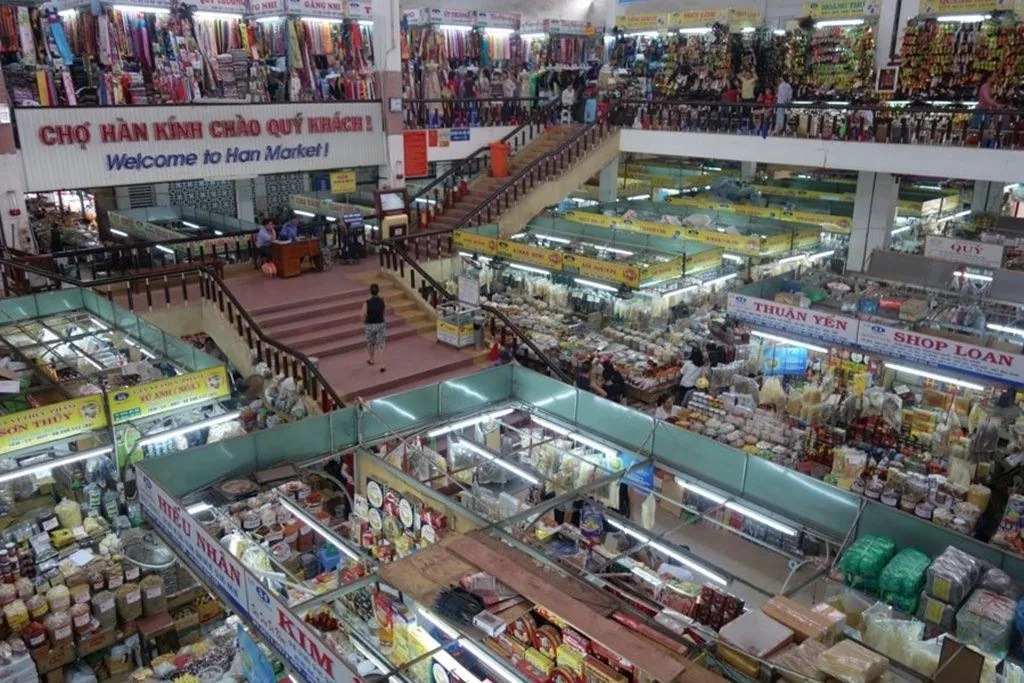
Pros: a local-platform one-bedroom runs about 7.5 million VND ($285) against roughly 10 million VND ($380) for a modern serviced studio marketed to foreigners - a fraction of An Thuong’s markup - and broader listings for 1-2 bedroom units run $400-900/month depending on building age. Cons: it’s not on the beach, there’s no major international school inside the district itself, and Hoan My Hospital, the main private hospital expats use, is technically a 10-15 minute drive away in neighboring Thanh Khe.
How Do You Choose Your Da Nang Neighborhood?
Match the district to what you actually do most days, not to the Instagram version of Da Nang. If your calendar is coworking sessions and meeting other remote workers, An Thuong or My An earn their markup. If you’re moving with kids and want space plus a hospital nearby, My Khe’s villas or Hai Chau’s city-center convenience make more sense than a nomad strip. If you’re weighing Da Nang against other long-term bases in Vietnam, these five districts are the shortlist once you’ve already picked Da Nang itself. If you’re staying a year or longer and want your rent to reflect the local rate rather than the tourist one, get your visa or TRC status sorted before you start viewing apartments - that’s the single biggest lever on the number a landlord quotes you.
None of these five districts paid for a spot on this list, and Da Nang keeps changing fast enough that a 2025 number can already be stale by the time you land. If you want the current read on rent, visas, or long-stay paperwork before you sign anything, reach out on Telegram or check danangvisarun.com for what we can help with directly.
Frequently asked questions
Which Da Nang neighborhood has the most expats? An Thuong, by a wide margin. It has the densest concentration of coworking spaces, international cafes, and short-stay rental listings of any district in Da Nang, which is also why its rents carry the widest local-to-foreigner markup on this list.
Is An Thuong safe for families with kids? It’s generally safe, but it’s built around nomad and nightlife traffic rather than family quiet. My Khe’s villa compounds or My An’s quieter side streets suit families better while staying in the same beachside cluster and school zone.
How far is My Khe beach from Da Nang International Airport? About five kilometers, roughly a five-minute taxi ride costing $4-5, which is closer to the airport than Son Tra or Hai Chau.
What’s the actual difference between An Thuong and My An? Almost none administratively. An Thuong is technically the name for the cross-streets inside My An ward, so the difference in practice comes down to which specific street you’re on, not which district.
Is Son Tra or An Thuong better for a one-year stay? Son Tra’s newer buildings and 10-15 minute distance to the city center suit people planning a longer, quieter stay, while An Thuong’s density suits people who want to meet other expats fast in their first few months before settling somewhere quieter.
Is Hai Chau too far from the beach to be worth living in? Not if you value local urban life over beach access. It’s where the rent gap between locals and foreigners nearly disappears, and Dragon Bridge, Con Market, and the Han River waterfront are all within walking distance.