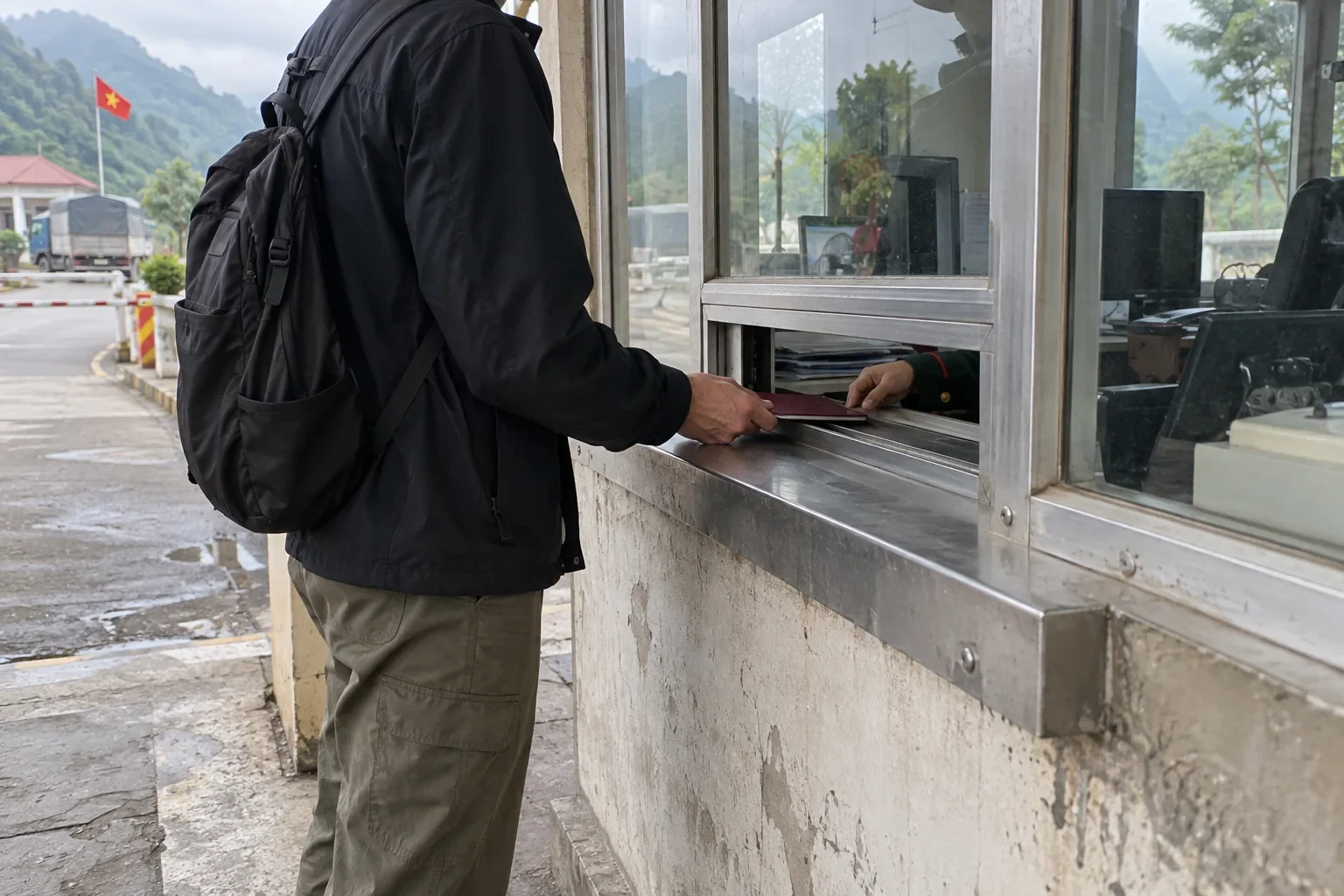
The best areas to live in Hanoi for most foreigners are Tay Ho, Ba Dinh and Cau Giay. A one-bedroom runs about $500-900 a month in Tay Ho and $450-1,000 in Ba Dinh, new Cau Giay complexes start around $600, and listings outside the center start near $250. The Old Quarter works as a base for a week or two, and a lease is better signed in another district.
I’m based in Da Nang and process e-visas for people moving to the capital, so the figures below come from 2026 rental listings and housing guides. I haven’t signed a lease there myself.
How much does a one-bedroom cost in each district?
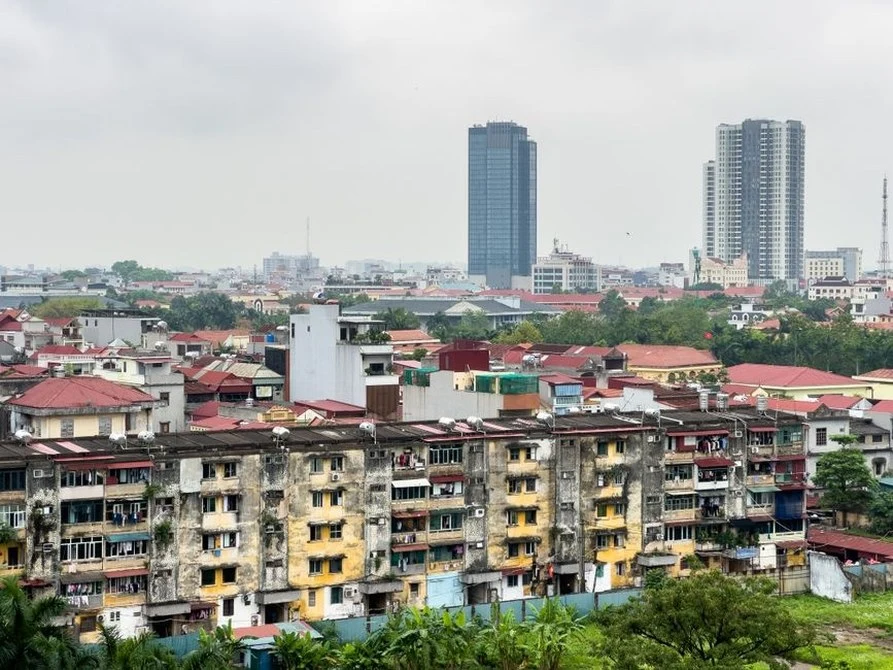
A one-bedroom in Hanoi costs $250-450 outside the center, $450-1,000 in Ba Dinh and $500-900 in Tay Ho, with the Old Quarter starting near $400. Serviced units, meaning buildings with a front desk and cleaning, are a separate market: Tay Ho villas and large apartments reach $3,500, and Cau Giay complexes go up to about $2,000 for the top building class.
| District | 1-bed rent, USD per month | Best for |
|---|---|---|
| Outside the center | 250-450 | Tight budgets |
| Old Quarter (Hoan Kiem) | from about 400 | The first week or two |
| Ba Dinh | 450-1,000 | Quiet and focus |
| Tay Ho | 500-900 | Community and cafes |
| Cau Giay | 600-2,000 | Office jobs, new buildings |
Different guides quote different ranges because they count different building classes. Treat the table as a map of what to expect, then check live listings for the exact flat.
Which district suits someone who works from home?
Ba Dinh suits deep work and calls, and Tay Ho suits people who want cafes and company within walking distance. Ba Dinh is the embassy area, with parks and residential blocks and a visible Japanese and Korean community. It is calm, but the lake-side cafe scene is a Grab ride away.
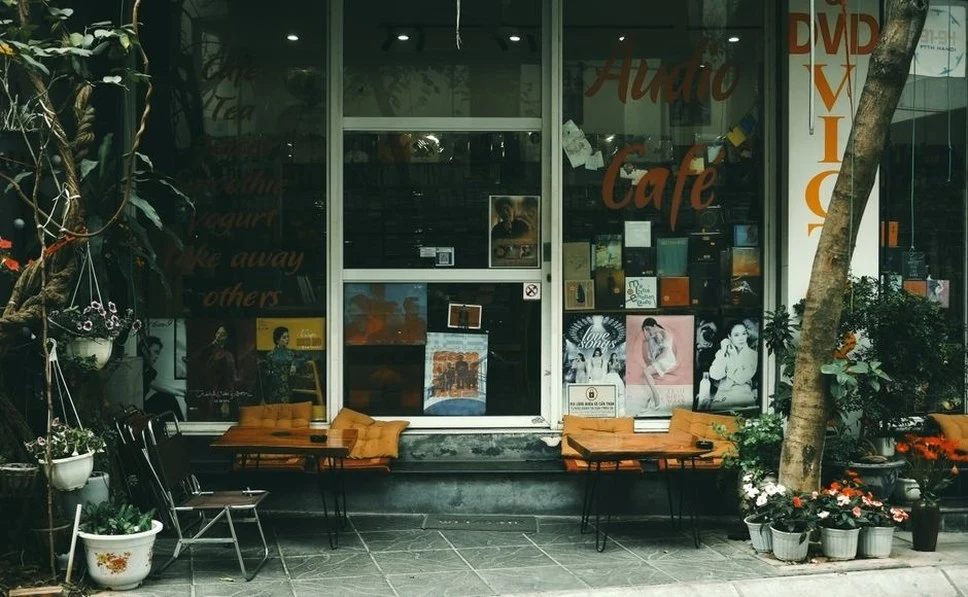
Tay Ho wraps around West Lake and has the most foreign food, yoga studios and fellow expats. The mistake I would warn against is paying a premium for the lake view and then living in a tired building. A flat slightly farther from the water often sits in a newer block for the same money, so check the lift, water pressure and how the management company answers messages.
How does a 90-day e‑visa change your lease?
If you entered on a 90-day e‑visa, a 12-month lease can trap you, because after three months you must leave and re-enter on a new visa. Ask for an early-termination clause or rent month to month at first.
The e‑visa costs $25 for a single entry and $50 for multiple entry on evisa.gov.vn, and the portal’s card payment can fail. At BestBus Vietnam I pay the government fee with a card the portal accepts and set the entry point to match your route, and the details are on the 90-day e‑visa page. Message me on WhatsApp with the date your visa ends and I’ll tell you whether a new e‑visa or a border run fits your lease dates. For the border run itself, the Hanoi visa run page covers a car from your door to Huu Nghi on the China border or to Laos via Na Meo, back the same day.
The closest crossing to Hanoi is Huu Nghi on the China border, and I compare it with Laos in visa run from Hanoi: Laos vs China.
Is Cau Giay worth the rent?
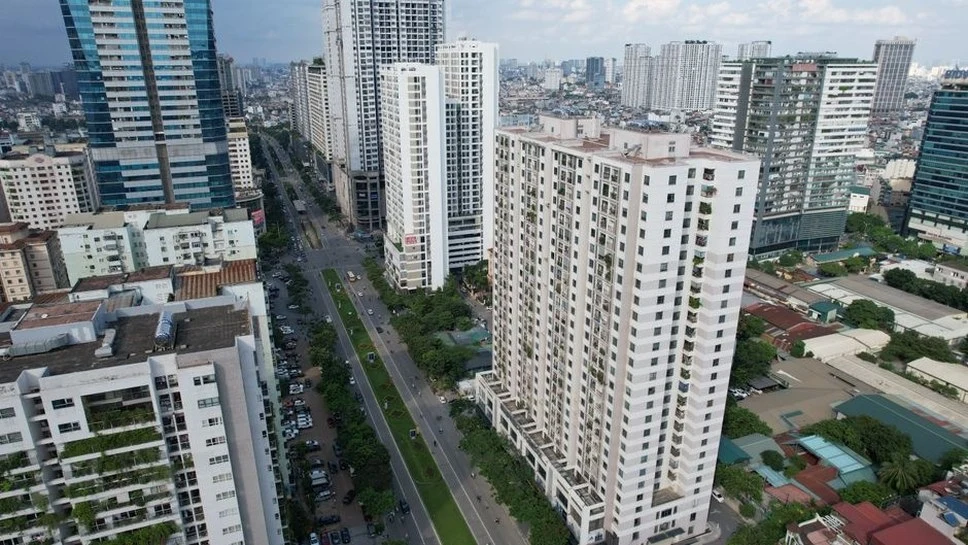
Cau Giay is worth it if you work nearby and want a modern building with a lift and security. It is an office and IT district with plenty of new apartment complexes, and the $600-2,000 range reflects building class more than location. It is not a bargain next to Tay Ho: you pay for a newer building and a short commute, and the area has more towers and malls than cafes and water.
Before you commit, ride from the listing to your usual destination at rush hour. Hanoi traffic can turn ten kilometers into an hour, and a commute judged by map distance alone is how a cheap flat ends up costing more in lost time than it saves in rent.
Can you live in the Old Quarter long term?
You can, but the daily cost is noise. The Hoan Kiem area around the lake and the Old Quarter means street noise, tourists and constant motorbike traffic, and quality flats are scarce and pricey. Take a hotel or serviced apartment there for one or two weeks to get your bearings, then move once you know your working rhythm.

What should you check before paying a deposit?
See the flat in person and test it at rush hour and in the evening before you pay anything, because studios in particular can look very different from their photos. On a viewing, run through this list:
- Visit at rush hour and in the evening to hear the street.
- Switch on the air conditioner and hot water and check the shower pressure.
- Ask who pays for electricity and at what rate, since summer air-conditioning bills run well above the listing’s numbers.
- Photograph the flat’s condition on move-in and send the photos to the landlord by message, which makes getting the deposit back easier. The deposit is usually one to two months of rent.
- Ask who registers your stay, meaning the notification of where you live that goes to the local police. It is usually the landlord or building management, but confirm it before you sign, because a missing registration can cause problems with your documents later.
Where should you start?
Spend the first week or two in an Old Quarter hotel, then rent month to month in Ba Dinh or Tay Ho, see how you actually live and work, and only then sign a long lease. If budget matters most, test an area outside the center the same way, with a rush-hour ride before you decide. For costs beyond rent, see living in Hanoi: remote work, costs and trade-offs.
You can file the e‑visa application and do the border run yourself if you’re happy to track dates and queues. If you’d rather not juggle visa dates and lease dates at once, send me your travel dates and I’ll price the options for your situation.