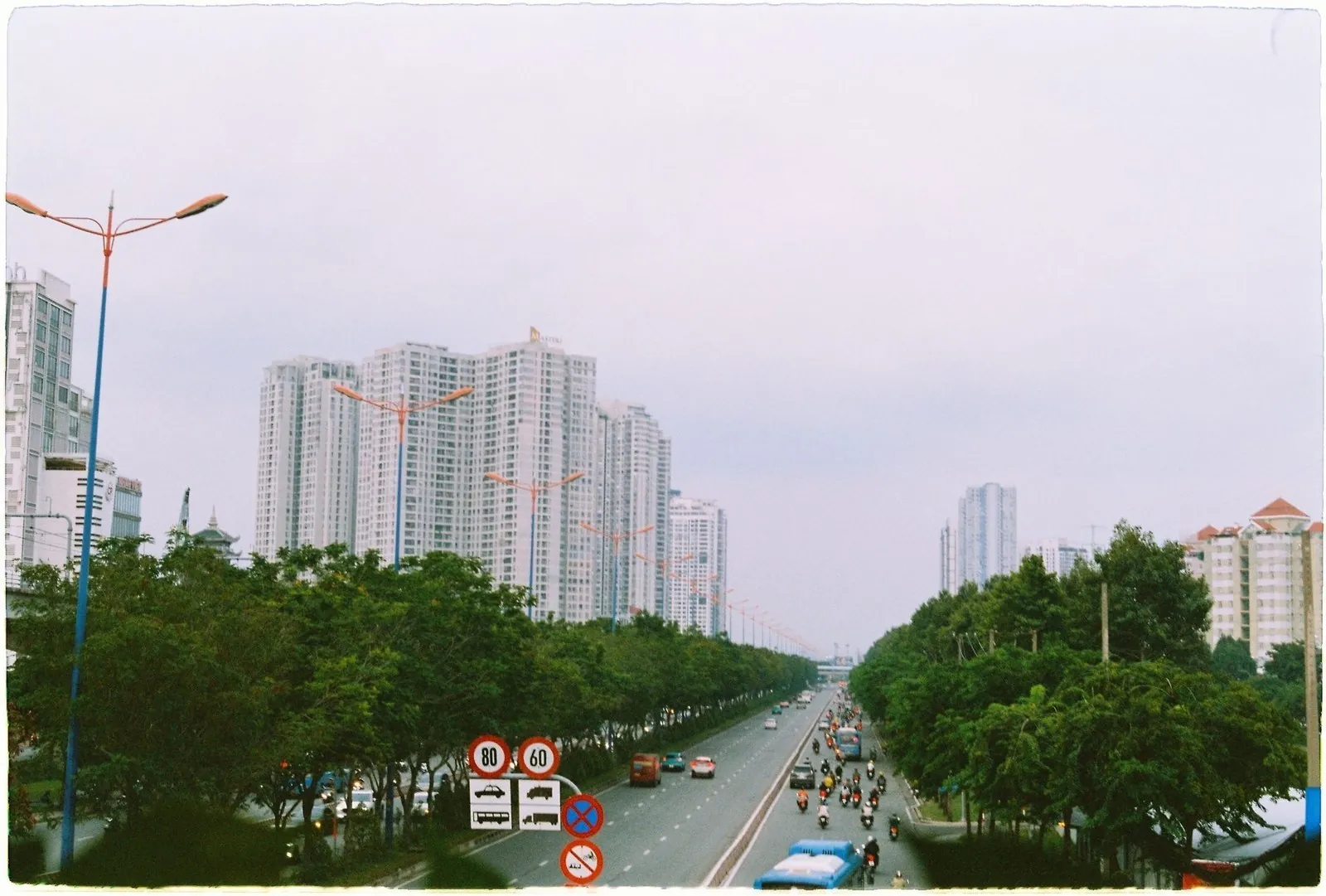
The bus from Ho Chi Minh City to Phnom Penh takes 7 hours and costs $22-40 depending on the company - Giant Ibis at $34 is the one worth the extra money. If you’re weighing bus vs. flight vs. private car for this 240km crossing, here’s the actual breakdown, not the marketing version.
If you just want someone to sort your Vietnam re-entry visa while you handle the bus booking, that’s a quick fix - I’ll get to it below.
Is the bus actually worth it over flying?
A flight from Tan Son Nhat (SGN) to Phnom Penh (PNH) takes 50 minutes and starts at $120 with Vietnam Airlines, Cambodia Angkor Air, or VietJet. Sounds like the obvious win until you add the fine print: 3 hours at the airport before departure, immigration on the Cambodia side, and a Grab ride on each end. By the time you’re actually in central Phnom Penh, you’ve spent close to 5-6 hours anyway - for four times the price of the bus. Private taxi runs $150-220 and takes 6-7 hours, but taxis need a special cross-border permit most drivers don’t have, so you often get dropped at the border and left to negotiate a new ride on the Cambodian side. Unless you’re short on time or splitting a car four ways, the bus wins on value every time.
Which bus company should you pick?
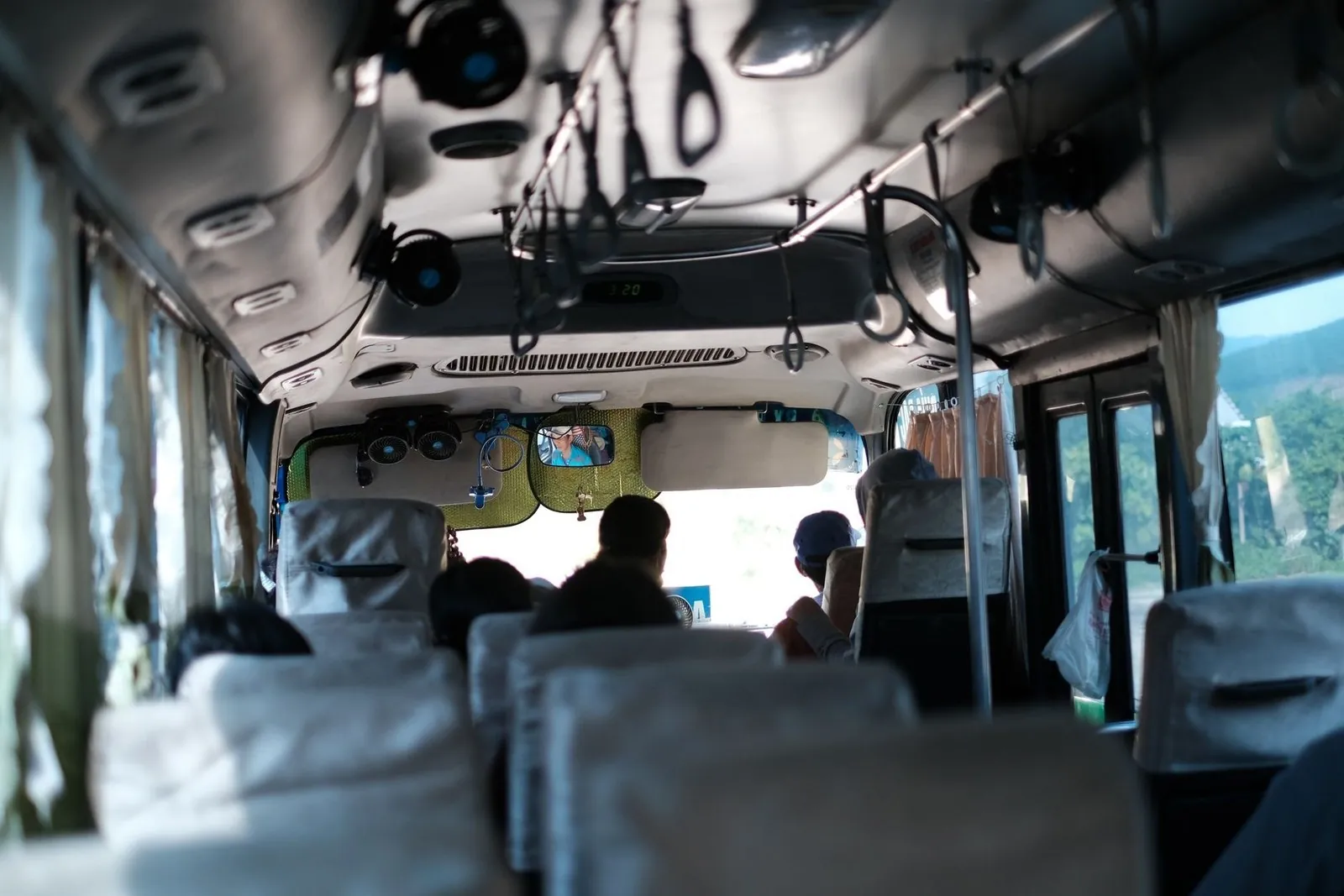
Three operators run this route daily. Giant Ibis charges from $34 with departures at 08:00, 09:45, 13:15, and 14:30 - air conditioning, wide reclining seats, and a staff member who physically walks your group’s passports through immigration. Long Phuong Cambodia runs more departures, six a day between 06:00 and 15:00, from $24. Phuong Heng is the cheapest at $22, with four daily departures. All three take the same 7 hours and hit the same border crossing - the difference is comfort and how much hand-holding you get at immigration. I pay the Giant Ibis premium specifically for that second part: a scammy border crossing is not where I want to be figuring things out solo.

There’s also a VIP van option - Mekco Limo, $32, six departures between 6:10am and 4:10pm, six hours door to door, wifi and charging ports included. It’s an hour faster than the bus and only $2 cheaper than Giant Ibis, so it’s really a comfort call, not a budget one. If you’re comparing this route against other ways out of Vietnam, it’s worth seeing how the Moc Bai border crossing stacks up against the other Cambodia checkpoints further north.
How do you book without overpaying at a hotel desk?
Book directly through 12Go Asia online, or walk into a company’s own office in Ho Chi Minh City - I’ve shown up 20 minutes before departure and still gotten a seat on a quiet day. What you want to avoid is booking through a random travel agency or your hostel’s front desk: they’ll put you on whatever pays them the best commission, not whatever gets you the smoothest ride. During peak season, December to February, book at least a week out - Giant Ibis morning departures sell out first.
What actually happens at the Vietnam-Cambodia border stop?
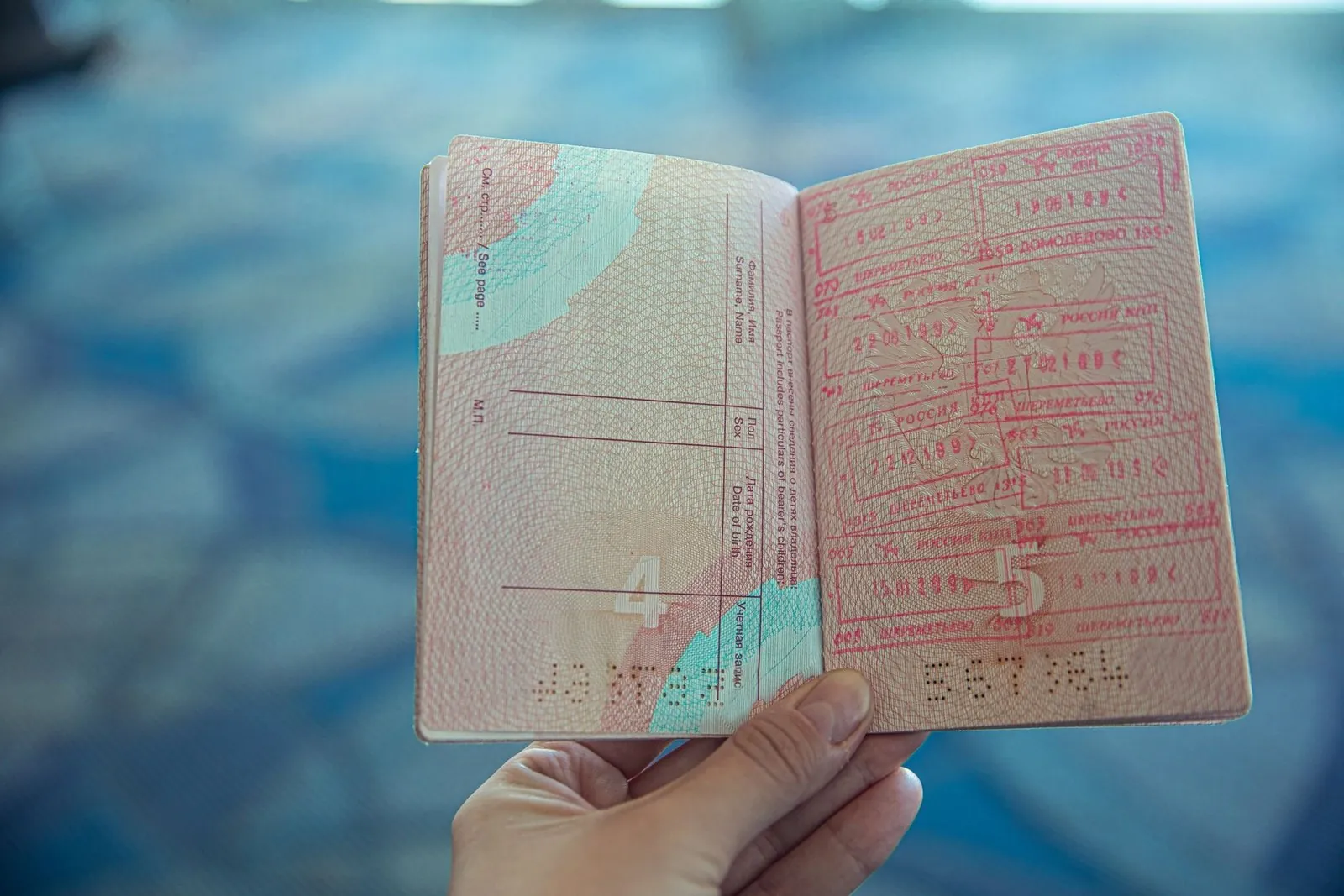
The border adds roughly 1.5-2 hours to the total trip, and it runs in a predictable sequence:
- A staff member collects everyone’s passport before the bus reaches Vietnamese immigration.
- You queue for the Vietnam exit stamp - passports come back one at a time, 15-25 minutes for a full bus.
- The bus stops briefly at a duty-free and snack area - not mandatory, but everyone gets off to stretch.
- Before the Cambodian side, staff brief the group on common scams: locals asking for a “tax” or “stamp fee” that doesn’t exist.
- You queue again for the Cambodia entry stamp, usually faster than the Vietnam side.
- Back on the bus for the remaining 3-4 hours into Phnom Penh.
This is exactly where I usually get a message from someone mid-trip: their Vietnam e-visa (applied for at evisa.gov.vn) was single-entry, they’d already used it, and now they can’t get back in without a fresh one. If your e-visa situation for this crossing is anything but simple, the fix is checking your entry count and the days left on it before you board - a single-entry visa that’s already been used won’t get you back in at this crossing.
Which drop-off point is closest to central Phnom Penh?
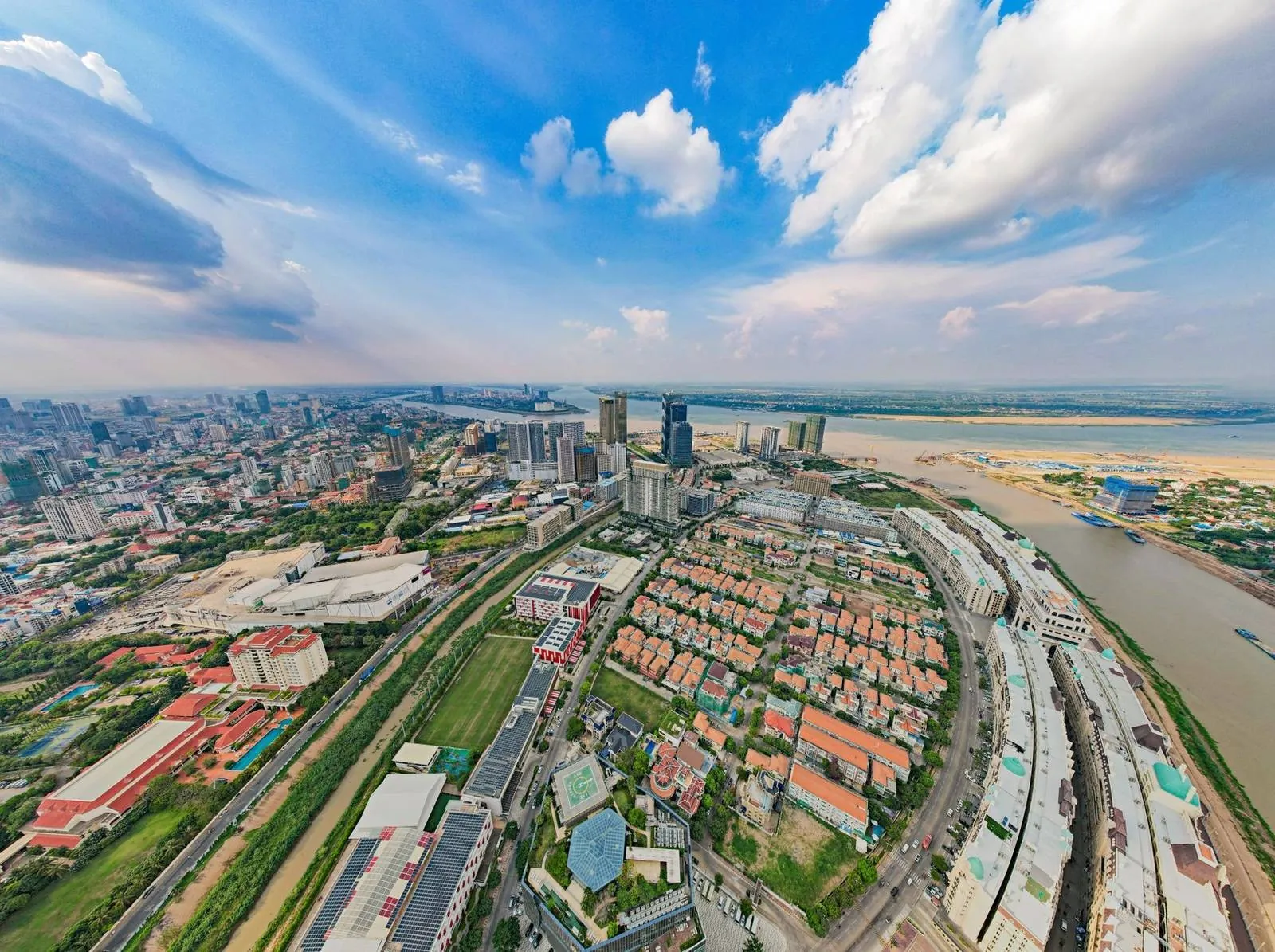
Giant Ibis drops you near Preah Sisowath Quay, right in the riverside tourist center - a 10-15 minute walk to most hostels. Long Phuong’s office is on Street 274, and Phuong Heng’s is on Preah Sihanouk, both a bit further from the river. From any of these, Grab into town is cheaper and less hassle than negotiating with a tuk-tuk driver waiting outside.
The Ho Chi Minh City to Phnom Penh crossing isn’t scenic, but it’s routine once you know the sequence - pick Giant Ibis if the border stress isn’t worth saving $10, book at least a week ahead in peak season, and don’t hand cash to anyone claiming a border “fee.” If the visa side of your trip needs sorting first - single-entry limits, expiry dates, whether this crossing needs a fresh e-visa - check the details on danangvisarun.com before you board.