Food in Vietnam costs roughly half of what it does in Thailand or Bali. A month of groceries, café lunches and coffee comes in at $250–300 without trying. That’s the place to start — because food is where the real daily savings happen, and rent is where most people overpay in their first month.
What does food actually cost day-to-day?
Vietnamese street food is some of the cheapest fresh food in Southeast Asia. A bowl of pho, a plate of rice, or a noodle dish at a local eatery runs $1–2.50. Step up to a café with a menu and you’re looking at $3–8. Neither is expensive by any standard.

Coffee shops are everywhere — Vietnam is the world’s second-largest coffee producer. Espresso costs $1.30, cappuccino $1.90, the classic Vietnamese coconut coffee $1.75. A daily coffee habit runs $40–55/month.
Supermarket staples (Lotte Mart, VinMart):
- Chicken breast 1 kg: $4
- Eggs (10): $1.25
- Rice 1 kg: $1.70
- Water 5L: $1
- Milk: $1.60
Fresh produce is cheaper at the wet market than in supermarkets. At Da Nang’s Bac My An market: mangoes $1.30/kg, coconuts $0.50 each, shrimp 1 kg for $6.70, oysters 1 kg for $1.25. The market habit saves $30–50/month versus shopping exclusively at Lotte Mart.
Realistic food budget: $200–300/month depending on how often you cook and whether you drink beer (local beer is $0.50 for 330ml).
How do you get around without spending a lot?
Most long-term residents rent a motorbike by the month. That single decision saves more money than almost anything else.
Da Nang motorbike rental:
- Scooter 115–125cc (2019–2022 model): $5/day or $100/month
- Scooter 150cc: $6–8/day
- Motorbike 250–400cc: $16–20/day or $200/month
Fuel is $0.85/litre (RON 92). A full scooter tank costs $3–4 and lasts several days of city riding.
The alternative is Grab — Vietnam’s Uber. A motorbike taxi anywhere in Da Nang runs $0.50–2. A car costs $1.50–6. If you’re only going out a few times a week, Grab makes sense. Daily use? A monthly rental pays for itself in under two weeks.
For taxi app comparison across Da Nang, see Grab vs Xanh SM vs Be in Vietnam.
Car rental is available for day trips: Mazda 3 from $37/day, Hyundai Creta from $63/day. Most agencies require a $400+ deposit and the paperwork can be complicated — motorbike is almost always the easier choice for daily life.
What does rent look like, and which city should you choose?
This is where city choice matters more than any other decision.
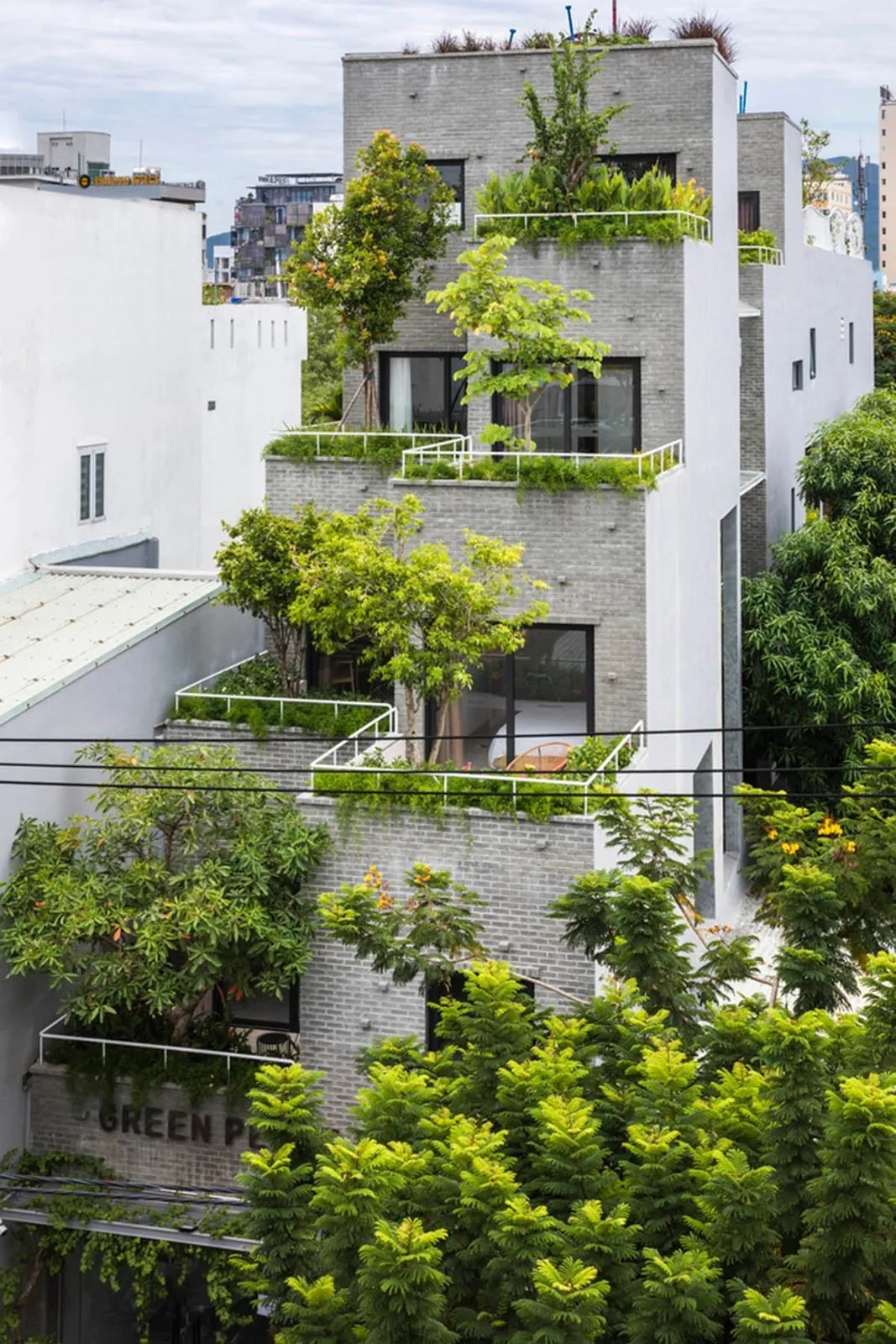
Da Nang and Nha Trang (most popular beach cities for expats):
- Studio apartment, AC, furnished: $200–300/month
- One-bedroom near the beach: $350–450/month
- Two-bedroom or premium finish: $500+/month
Hanoi and Ho Chi Minh City: the same apartment quality runs 2–3x higher. Budget $500–800 minimum.
Utilities — electricity for AC and water — run an additional $30–50/month on top of rent and are usually billed separately.
If you’re just arriving, start with a hotel while you look. Da Nang hotels run $10/night for a decent room. Nha Trang is similar. Hanoi starts at $30.
For a detailed guide to finding an apartment in Da Nang, see how to rent in Da Nang in 2026.
Planning to stay long-term? The visa question comes up before you sign a lease. See our visa services for e-visa and visa runs — if your situation is complicated, message on Telegram @learnx1000 and we’ll work through it.
What does a complete monthly budget look like?
Putting it all together for Da Nang:

| Category | Budget | Comfortable |
|---|---|---|
| Rent + utilities | $250 | $400 |
| Food | $200 | $300 |
| Transport | $100 | $130 |
| Entertainment | $50 | $130 |
| SIM card | $6 | $6 |
| Total | ~$600 | ~$970 |
The first month typically runs $150–200 higher than this because of one-off costs: apartment deposit top-up, bedding, kitchen basics, a helmet for the motorbike. That overhead doesn’t repeat.
Vietnam’s cost of living is genuinely low compared to Southeast Asian alternatives — and the food-to-cost ratio is the clearest evidence of that every single day.